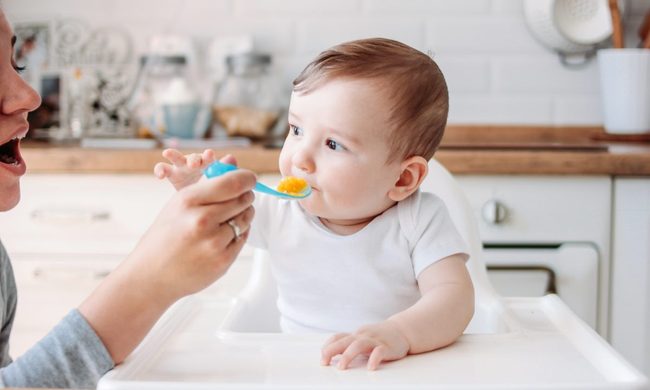
How important are problem-solving skills? In the 1980s, Myrna Shure and George Spivack, developmental psychologists, set out to explore whether interpersonal cognitive problem-solving skills impacted children’s behavior. It turns out, children without or with limited problem-solving skills were far more likely to become frustrated, make impulsive choices, have difficulty making friends, and exhibit unpleasant behaviors like temper tantrums and violent outbursts. Shure and Spivak’s results also indicated kids could just as easily learn how to effectively problem solve as they learn other critical educational concepts in school.
For parents, teaching children how to problem solve is a fine line that starts as early as preschool. The key to helping children problem solve is to encourage kids without stepping in and solving the problem for them. This can be a tough one for parents to stand by and let children work it out on their own. Difficult or not, encouraging kids to learn how to problem solve is a vital developmental step for kids. That’s why it’s so important to use words of encouragement for kids to keep them from getting frustrated and giving up.
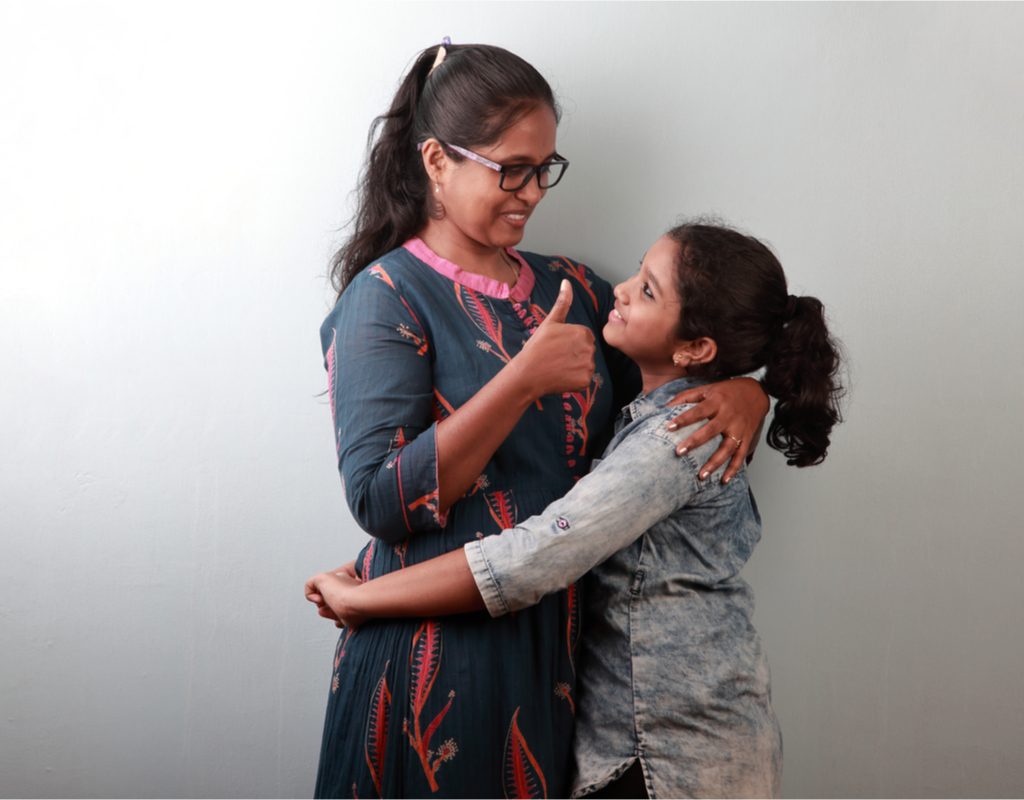
How to encourage a kid to problem solve
The first step to assisting a child to problem solve an issue is to identify the problem. Talking about the problem once it’s identified goes a long way. Next, brainstorm possible solutions with the child taking the lead. Try not to spoon feed solution options. When the child decides on a possible solution, thinking about the pluses and minuses of potential solutions is helpful in the decision-making process. After choosing a solution, the child should try it out. If it doesn’t work, he or she can fall back on that brainstorming list.
Of course, kids aren’t going to master problem-solving skills overnight. This critical life skill takes time. Modeling problem-solving skills at home and talking your children through the steps helps them become confident problem solvers.
For example, if your child is constantly forgetting his or her soccer cleats and is late for practice, sit down and talk about why he or she is not on time. Once the child recognizes being tardy stems from forgetting important equipment, brainstorm what they can do so the cleats are in the bag before leaving the house. Allow your child to pick the best solution for remembering the cleats and test it out to see if it works. If it doesn’t, try again.
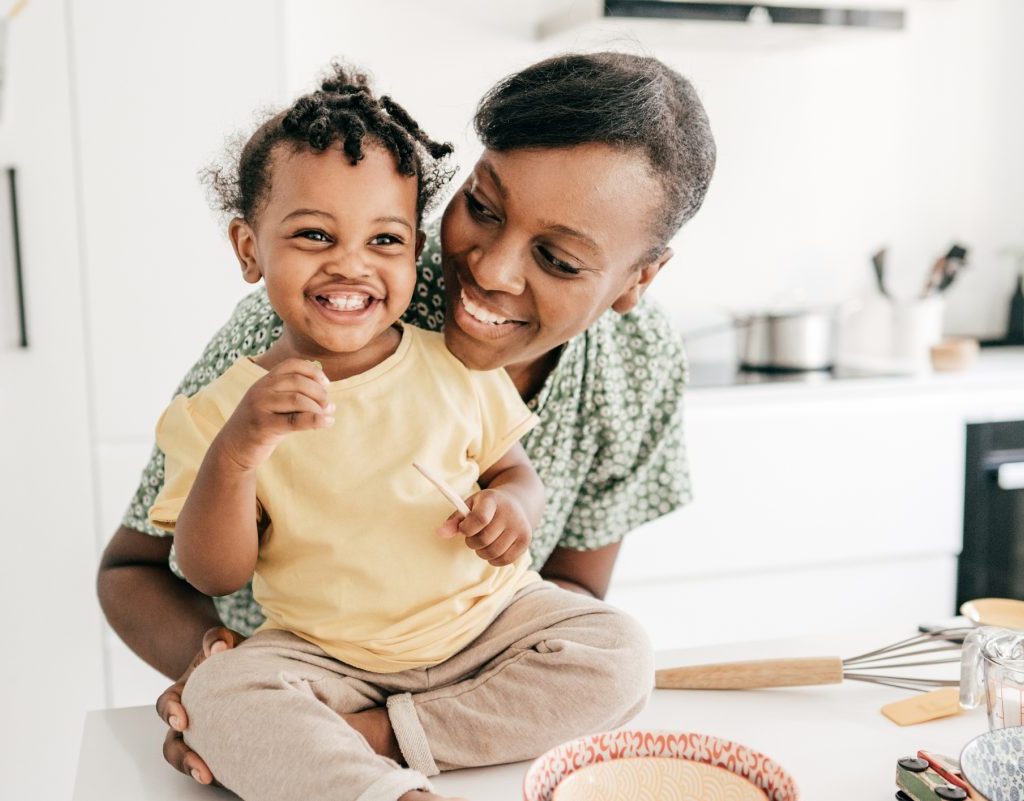
Words of encouragement for kids
As your children hone their problem-solving skills, there will be ups and downs. Some solutions will be successful, while others may fall flat. Loving words of encouragement from you go a long way in boosting morale and confidence. Often in the course of a busy day of work, school, activities, and chores, positive words of encouragement get lost in the shuffle. Yet, positive words have been shown to carry great impact when it comes to raising a self-reliant, resilient child.
Dr. Andrew Newberg and Mark Waldman’s book, “Words Can Change Your Brain,” discusses how using positive words of encouragement supports cognitive functions while negative words disrupt them. Turns out Sigmund Freud was right when he said, “words have a magical power.”
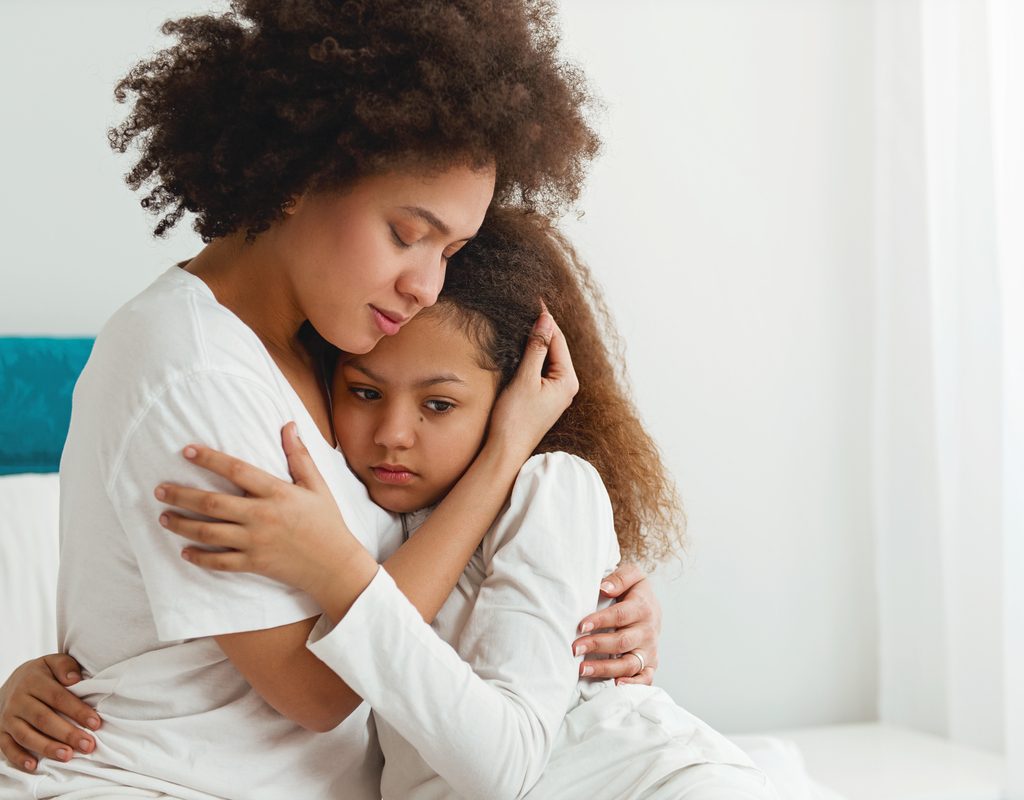
How to encourage a child: Words of encouragement to use with your children
Encouraging your child is easier than you think. Words of encouragement for kids build self-esteem and confidence. Here are 20 words of encouragement to use with your kids and teens as much as possible.
- You are loved/I love you.
- You are strong.
- I have confidence in you.
- I believe in you.
- I am proud of you.
- You don’t have to be perfect.
- Mistakes happen.
- You worked very hard on that.
- You make me laugh, happy, or smile.
- Congratulations!
- I know it’s difficult but keep working or don’t give up.
- You’ve got this.
- Keep trying.
- Don’t be afraid to ask for help.
- I knew you could do it.
- I’m listening.
- I enjoy spending time with you.
- Thank you for helping me.
- I appreciate your effort.
- I like how you think.
There’s no age limit on positivity
Sometimes it’s easier to encourage your children when they’re younger. Little ones are always eager for praise when they accomplish milestones like learning to tie shoes or writing their name for the first time. It may be hard to imagine, but tweens and teens need to hear those positive words of encouragement too, and perhaps more, as they navigate the uncertain waters of adolescence.
When your adorable, happy-go-lucky kid turns into a moody, sullen teen, it’s difficult to reach into the bag of positivity for words of encouragement. Between eye rolls and verbal challenges, parents don’t always think to use positive words of reassurance and encouragement instead of negative ones.
Newberg and Waldman came to the conclusion in their book that “a single negative word can increase activity” in the fear center of a person’s brain. The simple act of using a word like stupid or dumb stimulates the release of “stress-producing hormones and neurotransmitters,” which negatively impacts functioning in the brain.

Final words on how to encourage a child
Words of encouragement carry a lot of weight from parents. Sometimes it can seem as though children aren’t listening, especially in today’s tech-centered world, but they are. What you say to them matters. Studies have shown a strong correlation between encouragement and resilience. Negative words have an adverse impact on brain function, while positive words strengthen cognitive development.
Working words of encouragement into your daily interactions with your children goes a long way toward helping them grow into confident, compassionate individuals who are capable of handling those bumps in the road life inevitably throws. Remember, words of encouragement aren’t just for little ones. Tweens and teens need to hear them, too, as well as spouses and partners. Who doesn’t want to hear that they make a difference or make someone happy?