
Child prodigies and chess have long been a source of fascination. From movies like Searching for Bobby Fisher to series’ like The Queen’s Gambit, people are intrigued by the stories behind children and teens who are able to master the complexities of a game steeped in history. World Chess Champion and grandmaster Bobby Fisher was the youngest American chess champ at the age of just 14 and a grandmaster at 15. In Searching for Bobby Fisher, which is based on a true story, parents are excited to learn their 7-year-old is gifted in the game of chess and could potentially follow in Fisher’s path. Chess champions were long dominated by men, which makes the Netflix blockbuster series, The Queen’s Gambit interesting because the lead character is a young orphan girl on a quest to become a grandmaster.
Of course, not every 7-year-old who plays chess is destined to become the next Bobby Fisher, but playing chess is an excellent activity for kids and teens. If you’re wondering when is a good age to teach your child to play chess, seven is a perfect time to introduce your child to the game because a lot of important lessons come from those 32 pieces.
Why should kids learn to play chess?
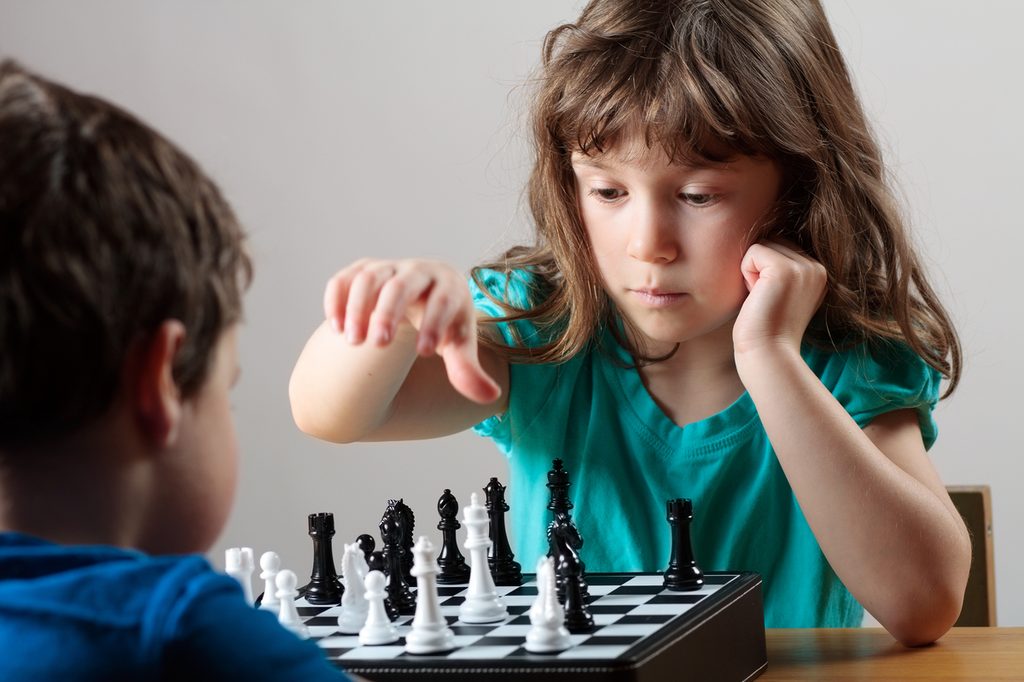
A two-year study by Dr. Stuart Margulies concluded overall reading scores improved in participants who were taught to play chess. Other studies, like one conducted by the University of Memphis, had similar findings. Researchers there discovered children who regularly played chess had better attention spans and visual memory skills. The takeaway from other related studies is that playing chess makes kids smarter. Why? The game challenges the mind and sharpens vital analytical, problem-solving, attention, and memory skills. When these skills are on point, it translates to a more attentive and capable student.
Other chess benefits for kids
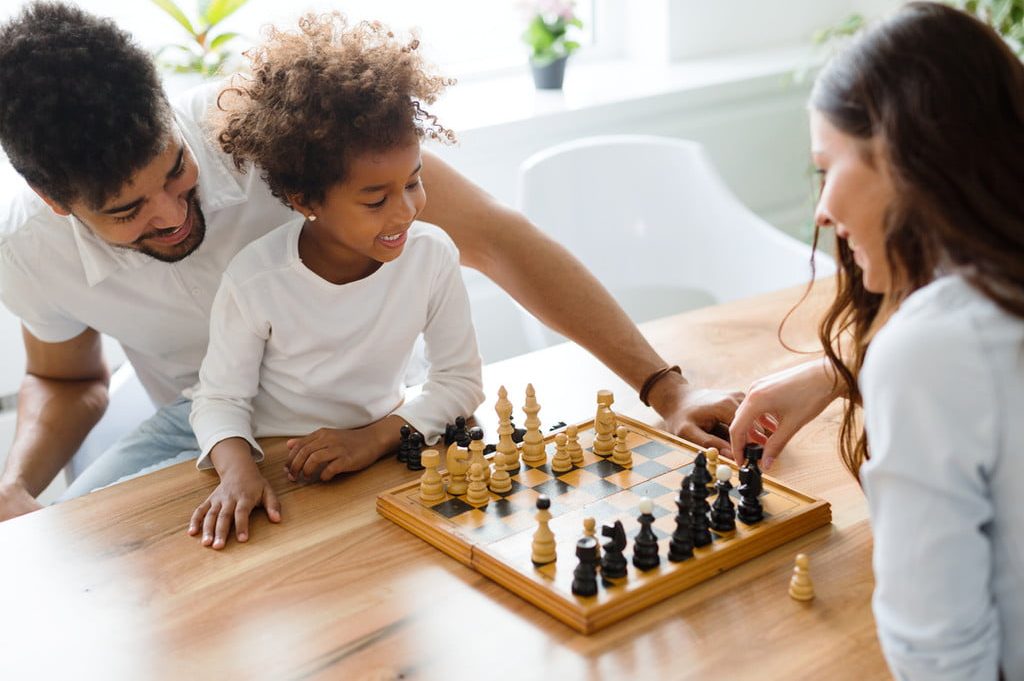
Many parents would love the thought of kids putting down the video game controller in favor of a chessboard and with good reason. Playing chess doesn’t just make a child a better student but the game has other advantages as well. It might not seem so because the game doesn’t involve a lot of chatting, but chess is great for improving your child’s social skills. As an age-old gentleman’s game, sportsmanship is extremely important. Chess players win and lose gracefully; something kids don’t necessarily take away from a sporting event where tantrums are commonplace. A local or school chess club is a wonderful social activity because players discuss the strategies of the game afterward, which can lead to other shared interests. Whether it’s chess in the park or at a nearby library, the game is a social one.
There are also no age limits when it comes to playing chess. People of all ages can play, and even an expert can learn something from playing with a novice. A 7-year-old can play with their peers or older players. Chess is the perfect game for long car trips, rainy days, waiting in a restaurant, or when kids are bored around the house. Unlike smartphones and iPads, WiFi is not necessary to play, and a chessboard doesn’t need to be charged. Leave a magnetic travel chessboard in the car, and you’ll always have a fun and educational way to keep kids busy offering educational benefits.
Seven-year-olds have short attention spans. Getting first graders and even older kids to focus to complete homework, chores and other tasks can be extremely frustrating for parents, but teaching your child to play chess and regularly engaging in games improves their overall concentration. The game also helps enhance a child’s thinking skills. Unlike other board games, chess isn’t a game of chance. It’s one of strategy. To be successful, players must think three or four moves ahead. Moves build on one another to form a strategy while still reacting to what your opponent is doing. Strategic thinking skills are extremely important not just in school, but in life.
One of the most important skills chess can teach your 7-year-old is patience. As parents, we know 7-year-olds have difficulty waiting, and chess is all about waiting. Players must give their opponent time to formulate a move, which means as kids play the game they learn the importance of being patient. Chess also teaches children to be calm, especially when it is their turn to make a move. These lessons learned through regular games will help your child in and outside the classroom, as well as on the playing field.
Why is seven an ideal age?
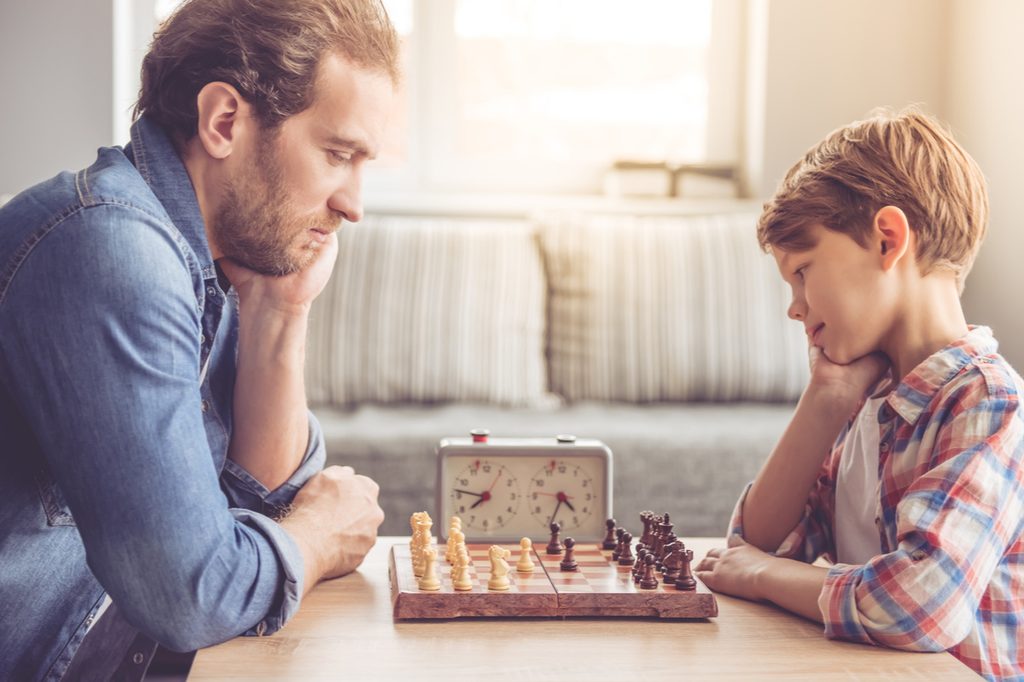
While there really isn’t a perfect age to introduce a child to chess, and experts don’t necessarily pinpoint an age when kids should learn chess, there are mixed results with introducing preschoolers and kindergarteners to the game. Seven and eight are considered perfect because children at that age are developmentally ready to grasp the basics of the game.
Where to start?
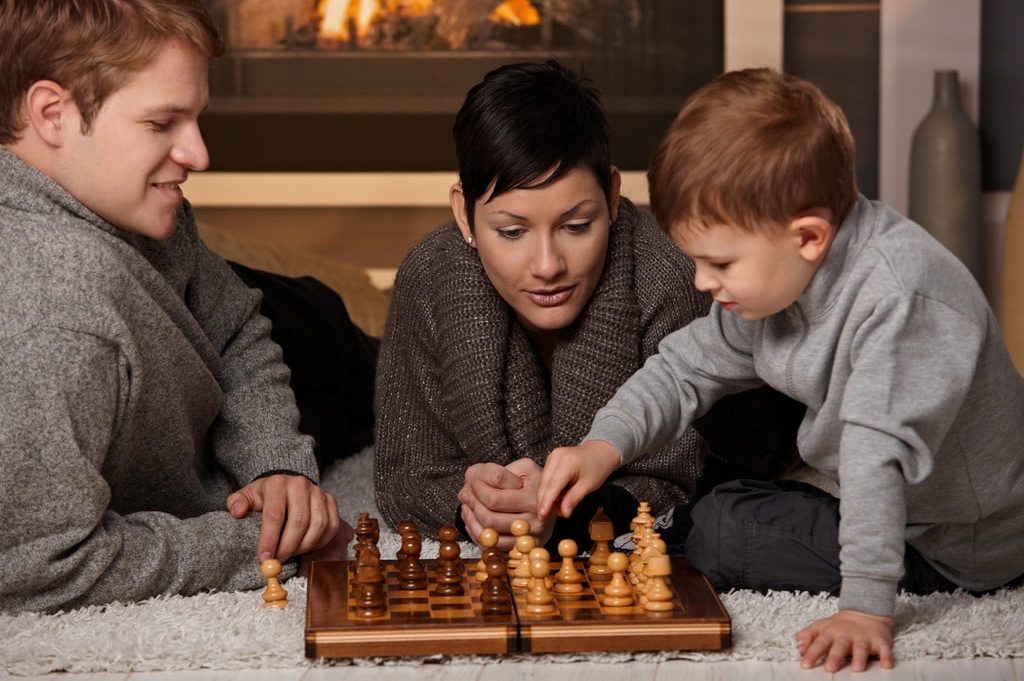
When introducing your 7-year-old to chess, it’s best to begin with the pieces. Introduce them to the pieces, their placement, and moves before attempting a game. While online chess is good, the better option is a traditional board and pieces.
Chess has certainly stood the test of time for good reason. It’s a strategic game that challenges the brain. Teaching your 7-year-old helps improve concentration as well as thinking, problem-solving, reading and language skills, as well as other vital life lessons. Chess is also a lifelong game. Learning it at a young age means your child will carry it with them through their life, which has been shown to keep the onset of dementia and Alzheimer’s Disease in check. Any time is the perfect time to dust off the chessboard and introduce your 7-year-old to this beloved pastime.