
For a parent, there are few things as special as sharing a favorite family board game from their youth with their own children and creating a new generation of memories. These fun, family-friendly games provide a great way for any family to sit and enjoy each other’s company without any distractions.
Board games enjoyed something of a renaissance at the beginning of the pandemic when the country shut down and parents looked for ways to engage their children in interactive indoor activities that didn’t involve a screen. But don’t call it a comeback; classic board games have never gone away or lost their ability to unite all ages around the table for family game night.
Simple pleasures are the best, they say, so if you’re looking for a holiday gift for the household, consider these classic family board games that prove the old adage: The family that plays together stays together.
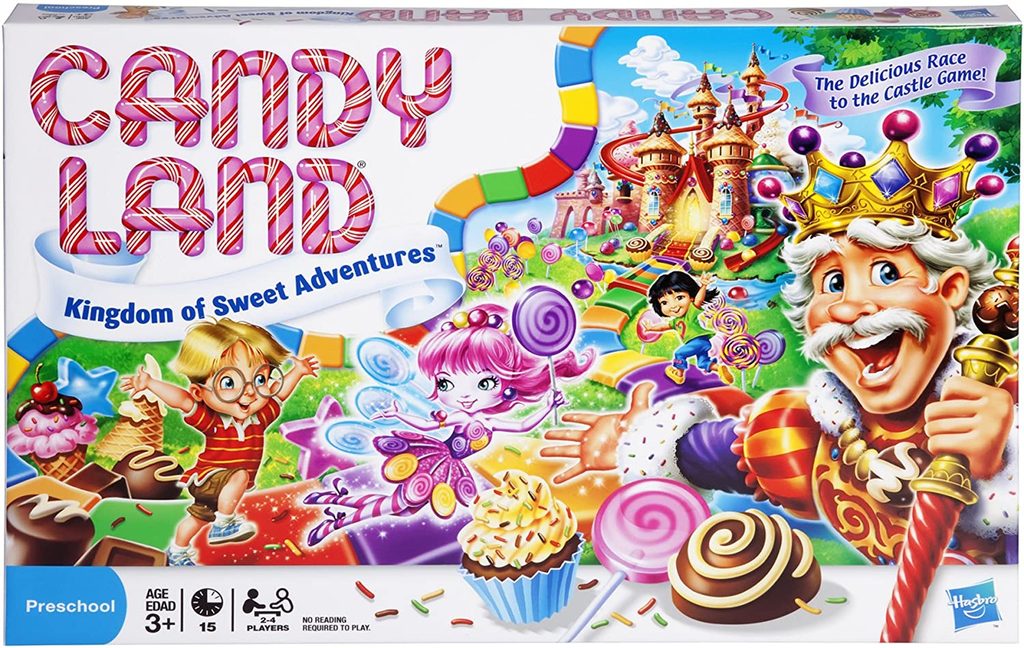
1. Candy Land
Introduced in 1949, Candy Land has been the gateway to family board games for generations of children. According to Hasbro’s website, it was created to entertain hospitalized children during the polio epidemic. Today, it’s still the sweetest game going, as players move their pieces through colorful landscapes such as Cupcake Commons, Lollypop Woods, and Chocolate Mountain. This game is great for pre-readers and counters, as cards dictate player movements with color blocks.
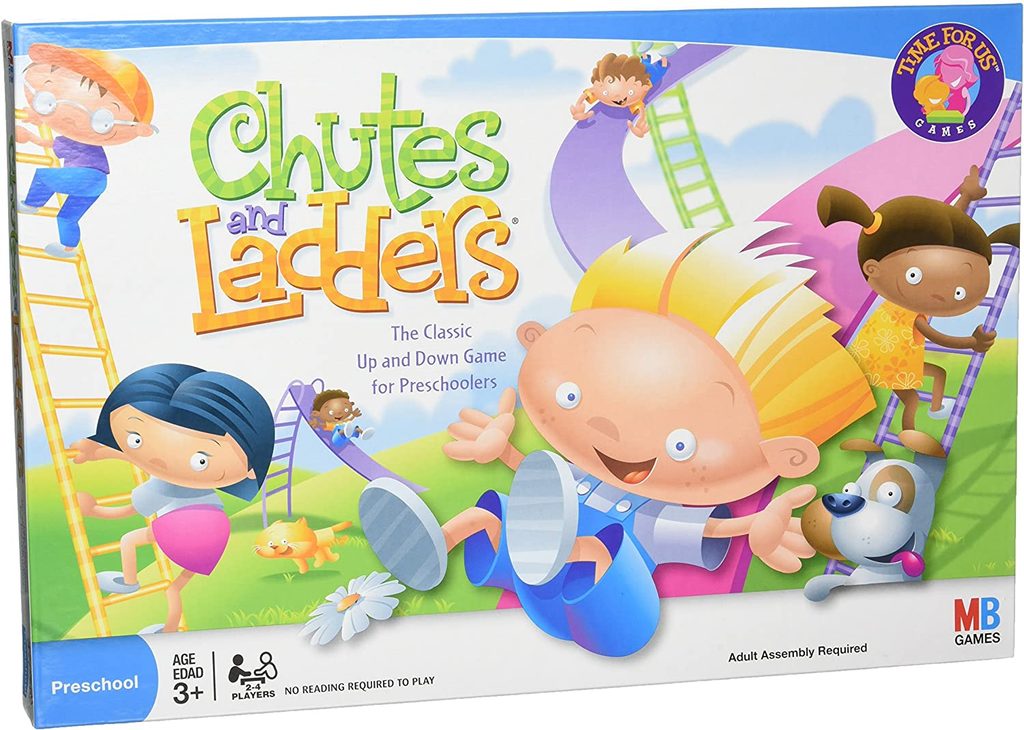
2. Chutes and Ladders
Never mind the Game of Life, no game prepares children for life’s ups and downs like Chutes and Ladders. The board game is divided into numbered squares from 1 to 100. The first to reach 100 wins, but it’s not that simple. Land at the bottom of a ladder and you get a shortcut toward the top; land at the top of a chute, and you may find yourself back where you started. Nothing is more exhilarating than landing on Box 28, whose ladder zooms you up to Box 84. Conversely, nothing is more deflating than landing on Box 87, whose chute drops you down to Box 24. All you can do is keep spinning the dial to advance. That’s a good life lesson right there.
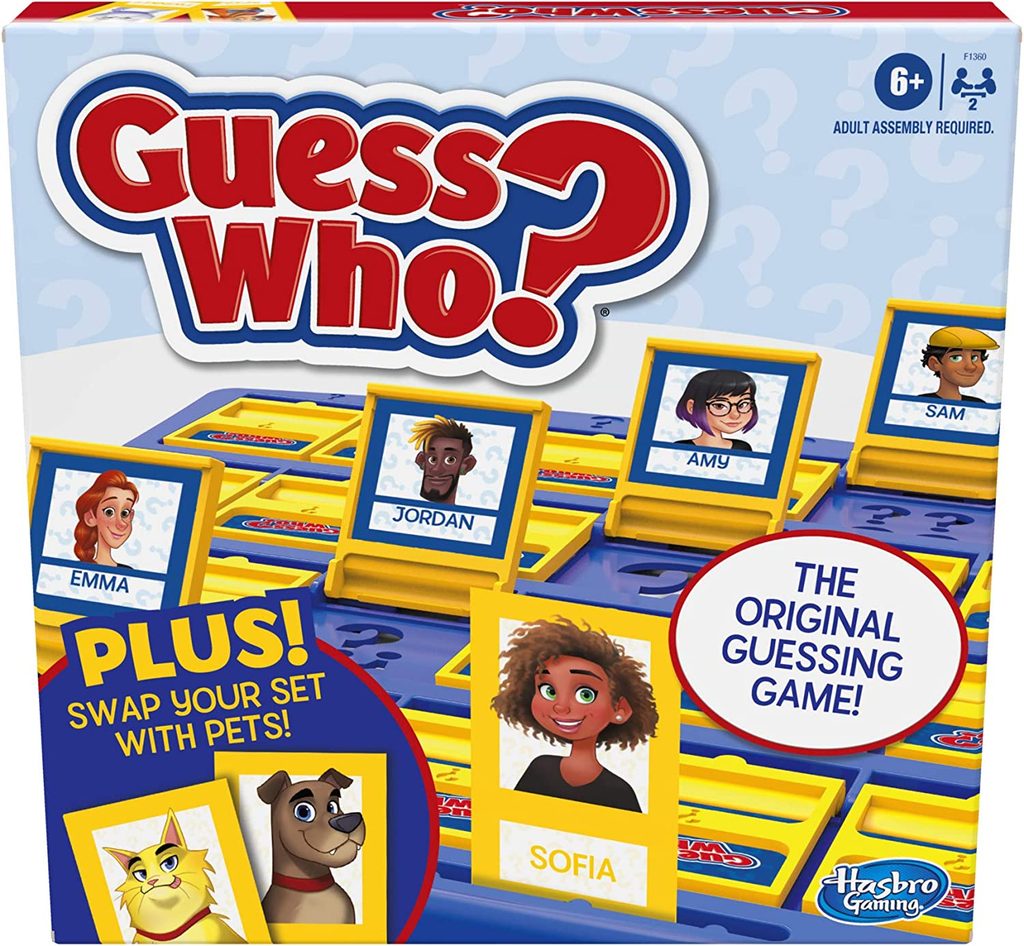
3. Guess Who?
A change of pace from here-to-there family board games, Guess Who? sharpen players’ deductive and observational skills. The object of the two-player game (family members can team up) is to guess the character on the opponent’s identity card. This is done by asking yes-or-no questions such as whether the character is male or female, has blonde hair, or wears a hat. Based on the answer, the guesser can eliminate candidates from the tray of 24 different characters.
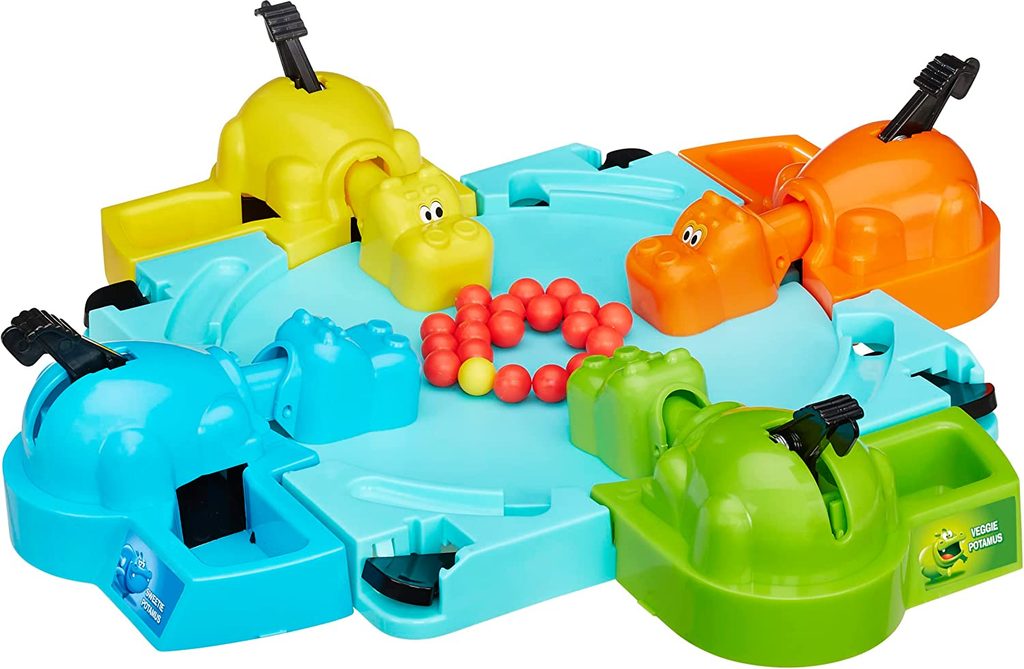
4. Hungry Hungry Hippos
This one will get loud, but the fast-paced action is infectiously fun. Four hippos are situated around a circular game area. Each player is allotted five marbles. The marbles can be released one at a time or all at once, as players operate their hippo to frantically snap up as many marbles as they can. The player with the most marbles wins. You know, just like life.
5. Jenga
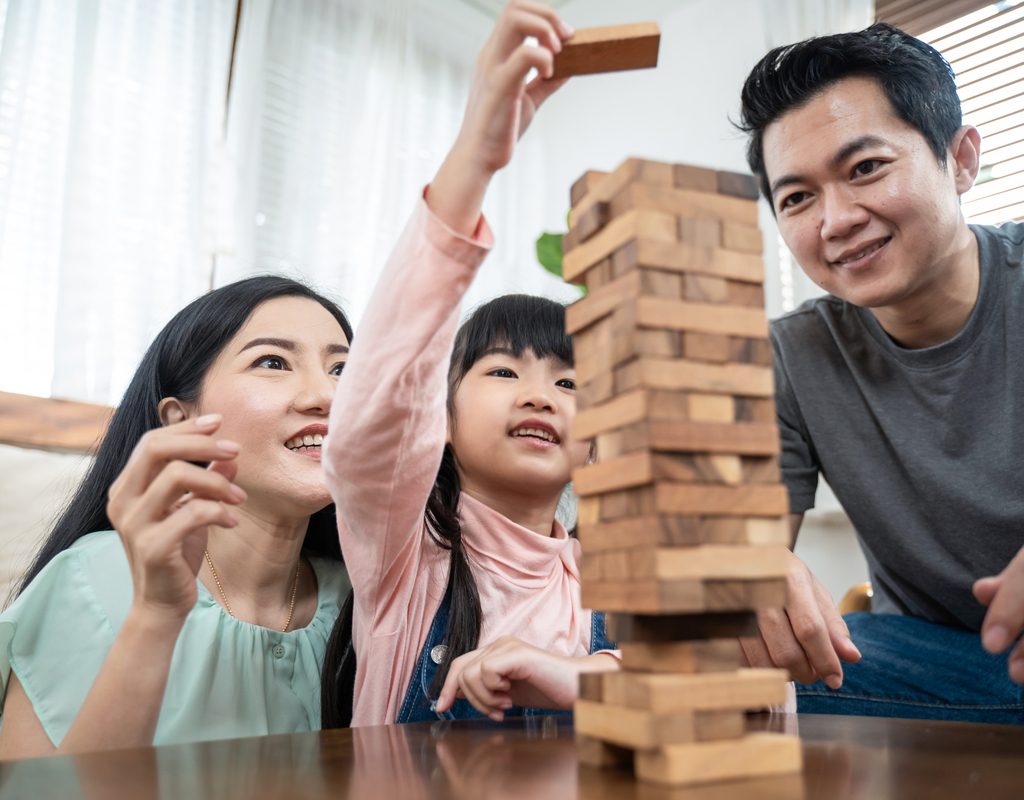
Introduced in 1983, this game of stacking and removal builds to a deliriously and delightfully suspenseful pitch. Once a Jenga tower of wooden blocks is stacked, players take turns removing one of the blocks and replacing it on top of the tower. The winner is the one who successfully removes a block without toppling the increasingly wobbly tower before it is eventually knocked over. Jenga cultivates a cool hand and nerves of steel.
6. Monopoly
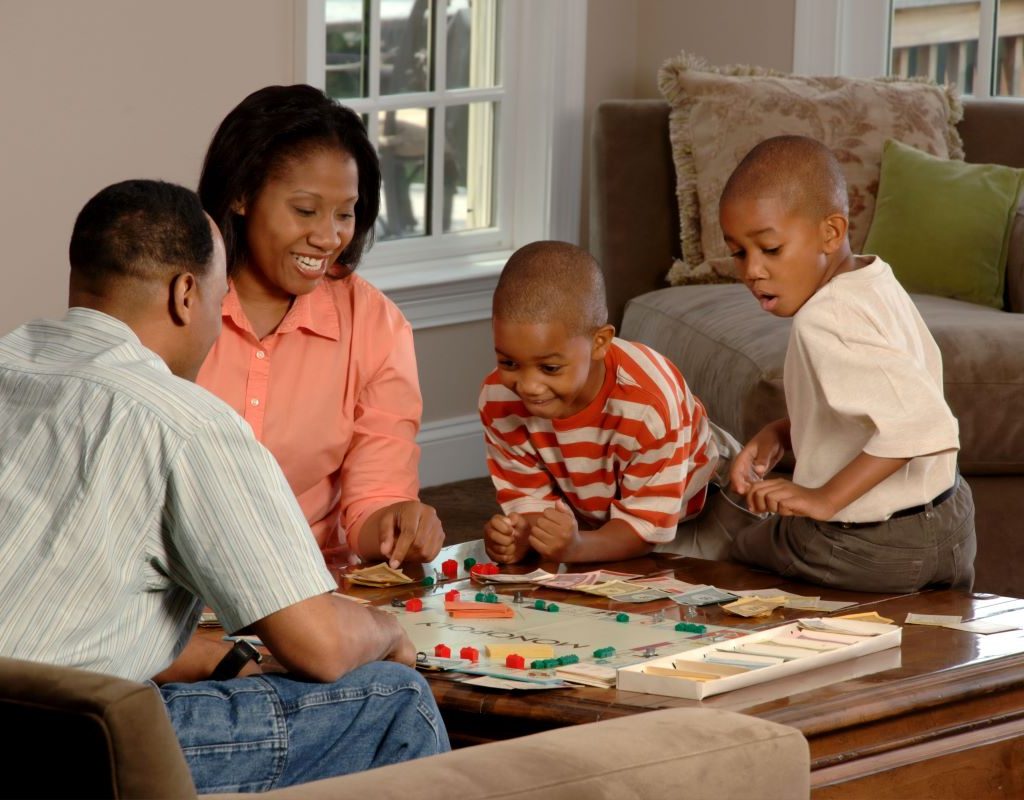
Monopoly is perhaps the most popular board game ever, with hundreds of themed versions available, ranging from Ghostbusters and Star Wars to Friends. There are even several Christmas versions. According to Smithsonian magazine, Monopoly’s origins date back to the turn of the century and artist Lizzie Magie, who invented the Landlord Game to teach about income inequality.
Since it was co-opted by an unemployed salesman named Charles Darrow in 1930, Monopoly has sold almost 300 million copies and been translated into 47 languages. Fun fact: Hasbro reportedly prints out $30 billion in Monopoly money annually. But fair warning, rounds of Monopoly often end in rancor against the holder of the most properties and money. Again, just like life.
7. Operation
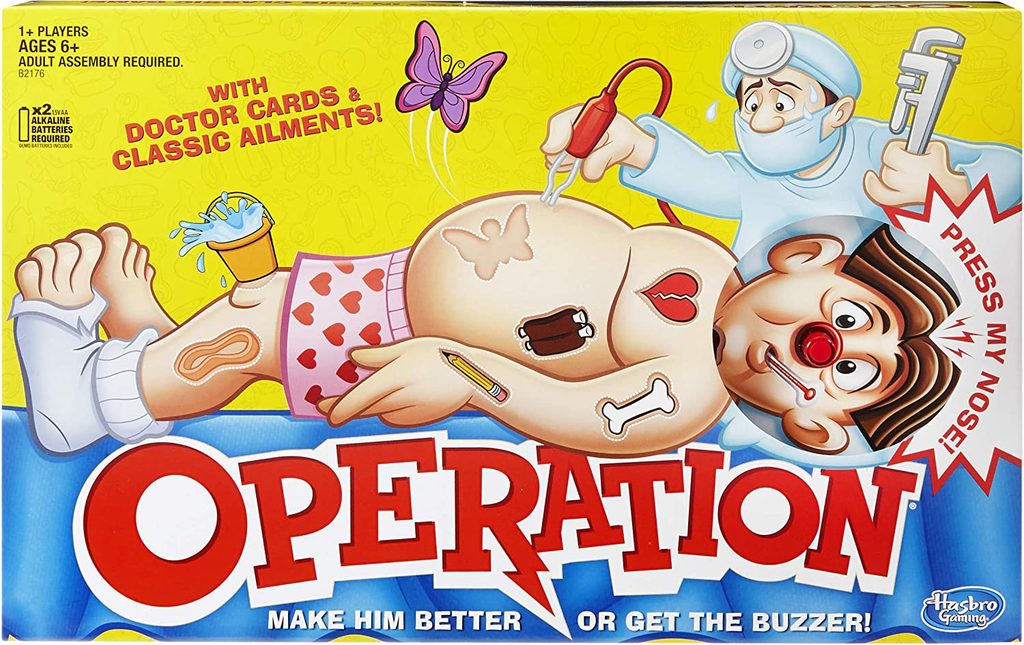
Still silly after all these years, playing Operation can be a real cut-up. The patient, Cavity Sam, is afflicted with “funatomy” maladies from a funny bone and wrenched ankle to spare ribs. Using a pair of tweezers, each player has to perform a delicate piece of surgery; if they touch the side of Sam’s cavity, his nose lights up and a buzzer sounds. Operation can help develop hand-eye coordination, steely nerves, and confidence and may even point some young players toward a medical career…or dissuade them, depending on how many times they make that red nose light up.
8. Perfection
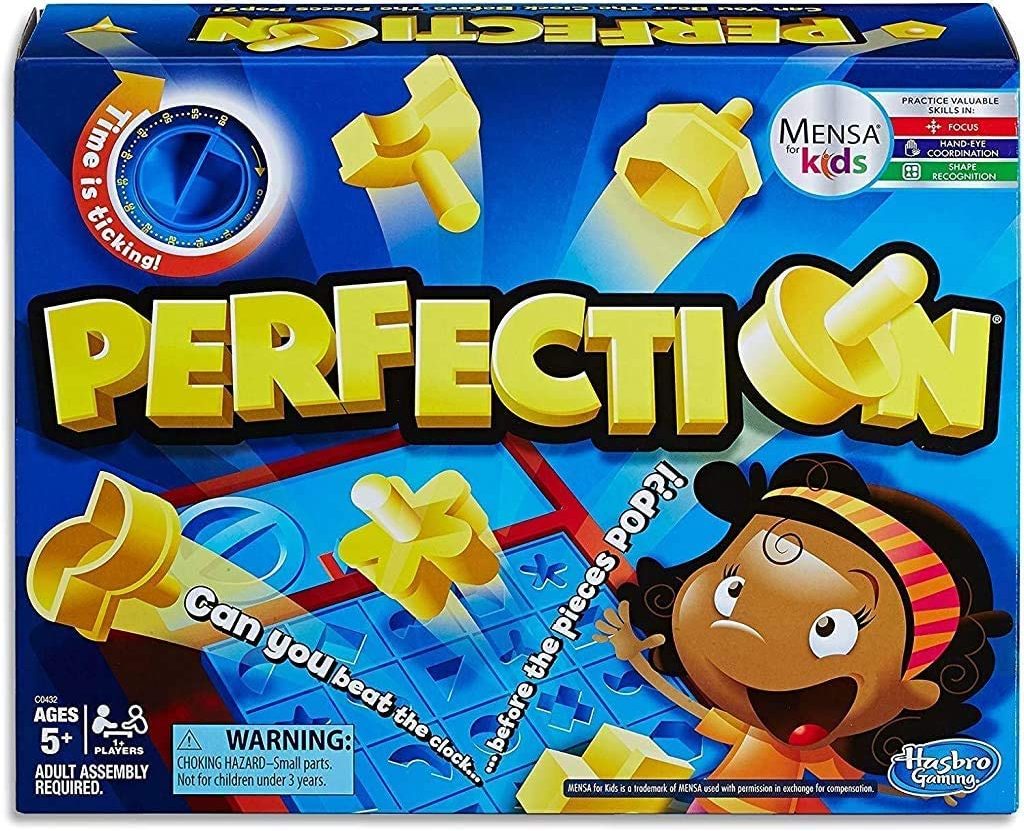
Dexterity, shape recognition, and memorization are the names of the game in this 1970s-era favorite in which players race against the clock to match 25 shape pieces to their corresponding holes before time runs out and the shapes tray pops up. Completing the tray in the fastest time wins, but for parents of younger children, the timer element can be eliminated to focus on the game’s more cognitive qualities.
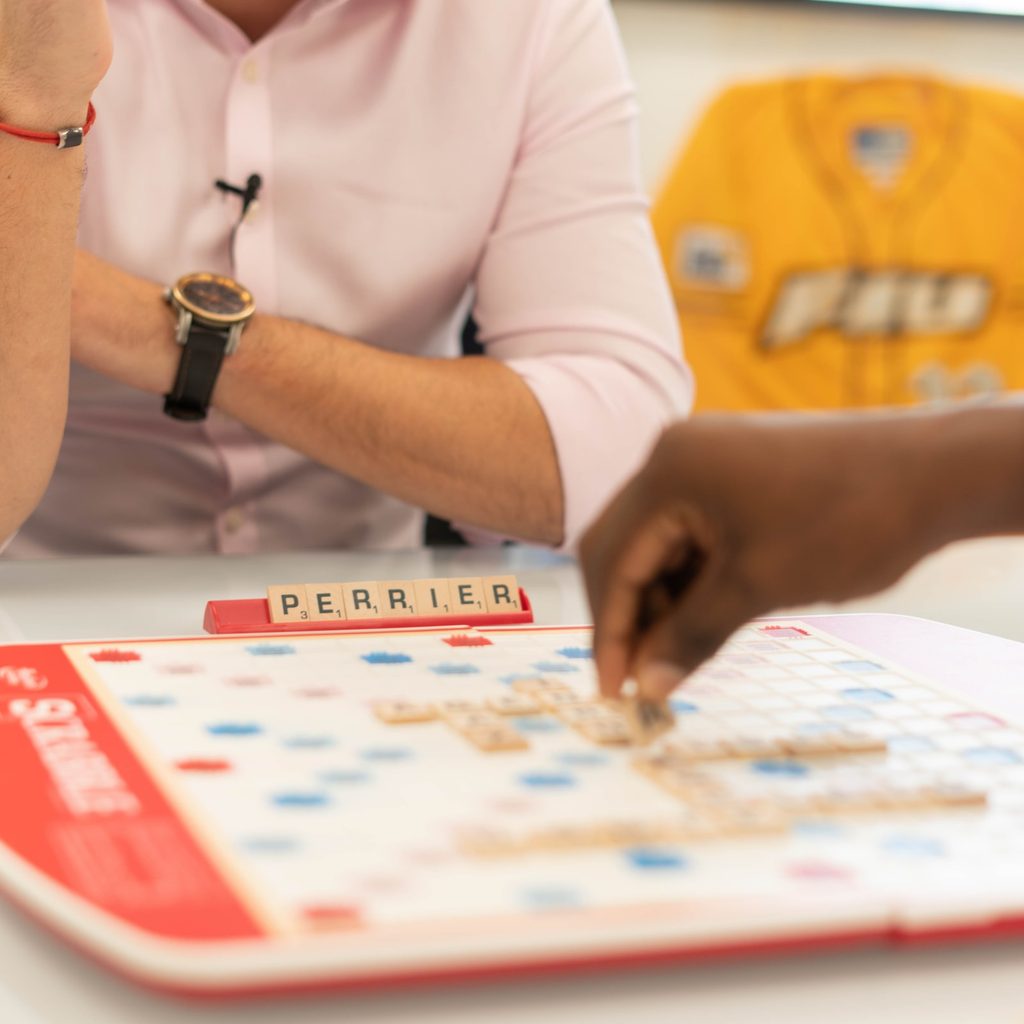
9. Scrabble
If there were a Mount Rushmore of family board games, Scrabble would surely be included. This iconic word game builds vocabulary, tile by number-valued tile. Scrabble enhances math skills as well as an appreciation for vowels. It also helps to develop strategic thinking, from adding a precious “s” to a word to make it plural or building a word that blocks another player’s access to the double- or triple-word squares. There is a youth version available, but families can opt to not keep score and just focus on the fun of assembling a real-time crossword puzzle.
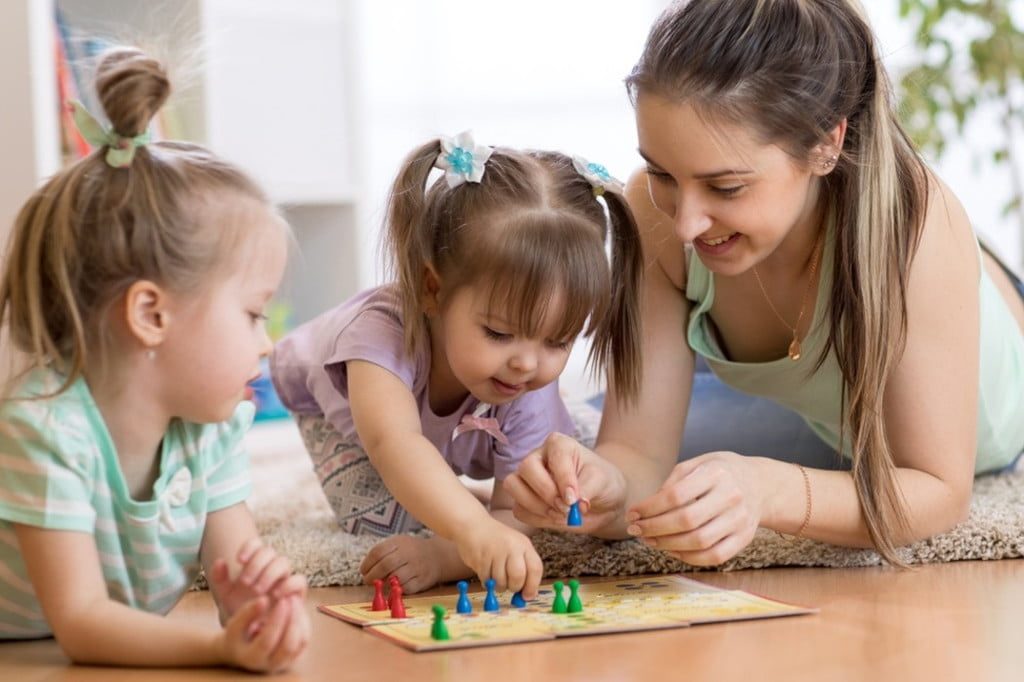
10. Sorry
Approaching its 90th anniversary, Sorry is the ultimate “home” game as players navigate the board in a bid to be the first to get all their pieces to their home-safe space. What’s stopping them? The other players who can send them back to the start space. You’ll be surprised at the many line readings you get on the word, “Sorry.”
Whatever game is a family favorite, bring it out for family game night!