
It may be hard to believe, but summer vacation is right around the corner, and if you have a kid who will be going to summer camp, it’s time to start getting things ready. Regardless of whether your child is a first-time summer camper or camping veteran, now is the time to start planning so you’re not panicking at the last minute and trying to figure out how to pack for summer camp.
In addition to making sure you have everything your child will need while away at camp, you’re going to need to ensure your kid is ready to be spending time away from home. Here’s what you need to do now to guarantee the summer camp bus doesn’t leave without your child!

Choose the right camp
There are endless camps available for kids, so it’s important you do some homework ahead of time to ensure you’re finding the right fit for your family. Whether you choose to do a sleepaway camp, day camp, sports camp, art camp, drama camp, or any other kind of camp, including your child in the decision and making sure the camp suits your their interests and personality can help ensure an unforgettable experience.
“Camp is a very intense experience because it’s 24 hours a day away from home,” Connie Coutellier, director of professional development for ACA explained to Parents. “That’s exciting, but it’s different from going to school and coming home. It’s making new friends and having a new daily routine.”
Once you choose a camp
Fortunately, many schools have drop-in days when you can go visit, as well as detailed social media accounts that can give you a look into everything that camp has to offer. As soon as you choose a camp, you’re going to want to go over the welcome package to see if the camp requires a pre-registration physical and if it does, you’ll want to book that ASAP. It can be hard to find the time to see the doctor and you don’t want to leave that to the last minute.
One month before
In your welcome package, you’ll more likely get a packing list from the camp. Now is a good time to go through that list and make sure you have all the things your child is going to need, especially if they’re at a specialized camp. If you leave packing to the last minute, you may risk forgetting something important or missing a crucial item that your child needs to participate in certain activities.
The American Camp Association advises parents to check with the camp on their policies for electronics, musical instruments, sports equipment, and special gear as well, so your child understands exactly what is and isn’t allowed.
Three weeks before
Now is a good time to start talking to your child about what to expect at camp to help alleviate any concerns they may have about being away from home. Former ACA president Ann Sheets told Parents that now is a good time to do a trial run of your kid sleeping out.
Arranging a sleepover at a friend’s or grandparent’s house can help them get used to sleeping away from home. “This a good ‘warm-up’ for being away from you at camp,” says Sheets. “It will show them that they can have fun and survive quite well without you.”
Two weeks before
Start reviewing the camp schedule so your child can know what to expect. It’s helpful to let your kid know how much indoor/outdoor time there will be, whether they will be expected to work together for group activities, or if there will be time for independent play.
Going over the schedule allows your child to ask questions ahead of time and know before they arrive what their days will look like. It can alleviate a lot of stress and anxiety if they know how their days will be structured.
One week before
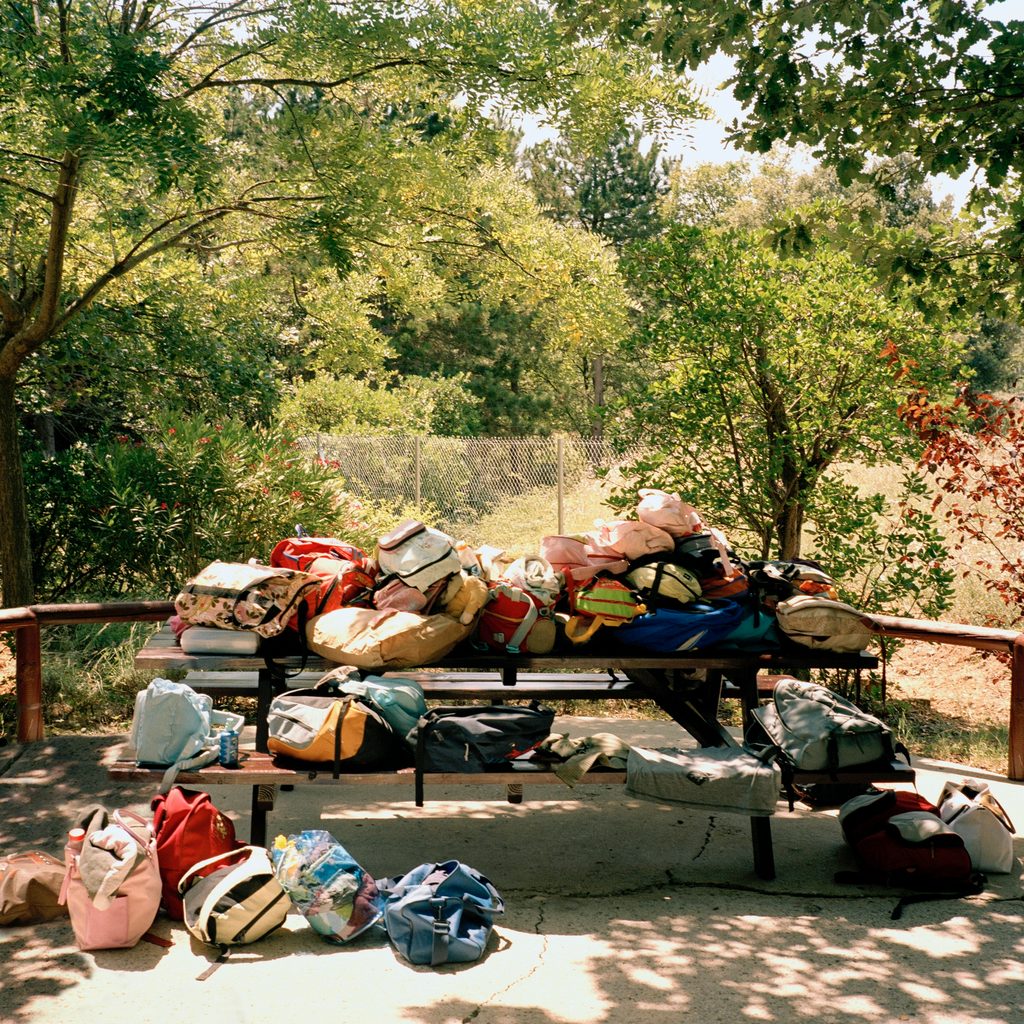
One week before camp is time to really get those bags packed as you label all the things! Kent Bredehoeft, camp scoutmaster for Boy Scout campers at the H. Roe Bartle Scout Reservation in Osceola, Missouri, told Parents that labeling all items in their bag is extremely important. “Label everything with your child’s name! We stay in tents. The kids really do not stay organized with their tent mates. Their belongings just become one big pile of stuff until they have to clean up before visiting day,” he noted. “If their things aren’t labeled, it’s impossible for them to sort out their belongings.” Camp expert Susan Spence agreed, adding, “Your child’s experience will be so much better if he or she isn’t worried about losing unlabeled items.”
You can also start a countdown with your child to help them get excited for camp, marking each day off the calendar as they prepare to leave.
The night before
Now that everything is labeled and ready to be packed, it time’s for one last review of the packing list. It could be a good idea to add one or two comforts from home, such as a picture of a stuffed animal, especially if your child is feeling a bit nervous. Make sure your kid knows the importance of using their sunscreen and bug spray and drinking lots of water, and reassure them that camp is going to be a ton of fun!
The day of!
The first day of camp can be a nerve-wracking experience for everyone, parents, too! And while you aren’t going to just drop your child off and drive away, you may want to keep your goodbyes brief. Help them get settled into their camp, tent, or bunk, and then make a quick exit. Lingering around may make leaving more difficult for your child.
Taking the time to prepare your kid for summer camp can ensure a happy and exciting experience for everyone involved.