  1. Home
  2. Activities
  3. Inspiration
  4. Evergreens

Your local library will help you stick to your New Year’s goals and so much more

How to check off all your New Year's goals using only your local library

Add as a preferred source on Google

Was one of your New Year’s resolutions for this year to learn a new language? Find a new hobby? Check out every museum in your area? Do you know what can help you get all of your goals checked off? Your local library! It amazes us how many people don’t know all the awesome (and free) things to do through your library and with your library card. We know, we’re as excited to tell you as you are to know how your library can help with your New Year’s goals.
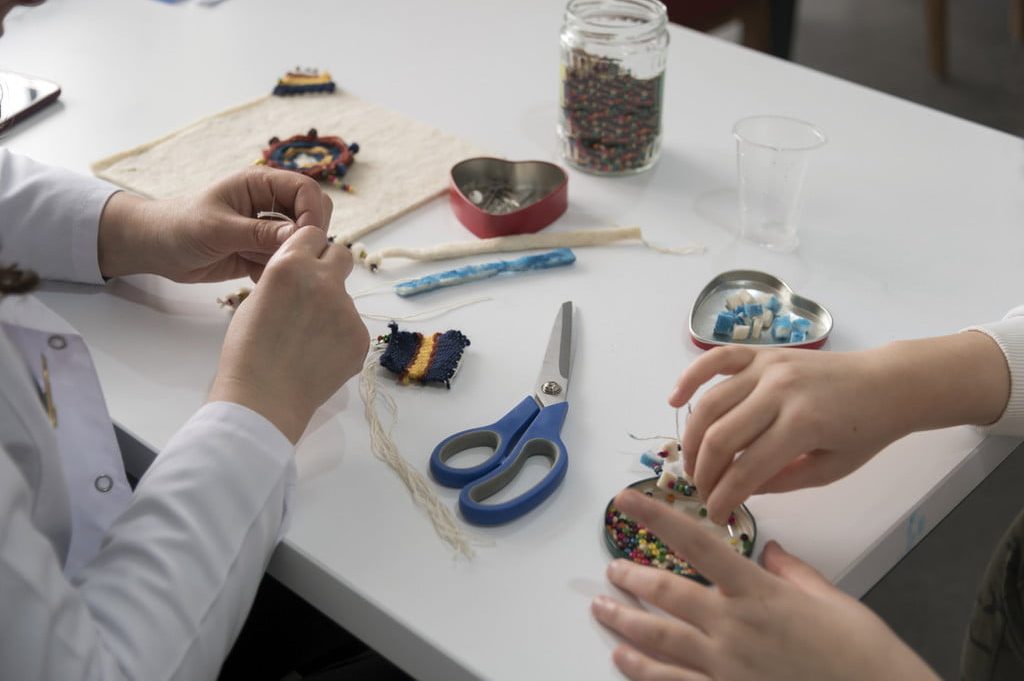
Crafting
Image used with permission by copyright holder

Sign your kids up for free classes

Your library’s calendar should be incorporated into your family’s schedule. There are classes for infants, toddlers, school-aged children, and teens. Whether your children like crafts, science, art, book clubs, or themed activities, your library has a class for that. If you homeschool, your library even has special days and times for those children.
Recommended Videos

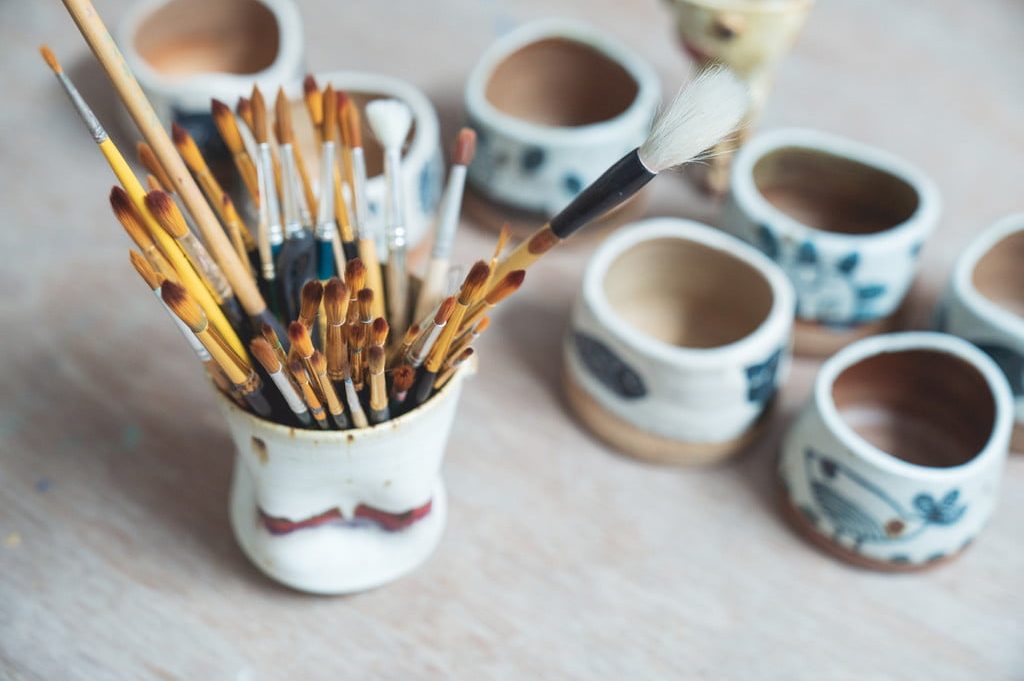
Paintbrushes and cups

Take free classes as a family

Just like for the kids, there are general classes you could take as a family. Or, if the parents want to do something without the kids, there are adult-only classes, too. For the following events/classes, you don’t even need to have a library card (but you should!) to do any of the activities:

  • Learn how to crochet
  • History events
  • Astronomy events
  • Book clubs
  • Learn how to paint
  • Movie screenings

Learn a language

This one you do need a library card for, but it’s worth it. Every library card gives you free access to learn as many languages as you want. Through Mango Languages, you have access to over 70 languages. This is also great if you are a homeschooling family, so you don’t have to pay for another app or program.

Kids at a zoo watching a snake

Use your library’s free and discounted passes

The local library has discounted passes for museums, zoos, historical societies, education centers, Audubon societies, and whatever else is in your area. Each library has its specific list of what it has available, so if you’re allowed to use your card at more than one library, check them all out and see where your family will visit this year.

Check out a kit

The library has many different kinds of kits to check out, just like you would a book. From movie kits (complete with popcorn and other fun items), home repair kits, and workout kits to science kits and board game kits, the whole year is covered, no matter what your goals are.

Whether it’s for New Year’s resolutions, trying to stick to a tighter budget, finding new things for the kids to do, or wanting more family time in the new year, using your local library will help you do it all. And most of it is for free or at a reduced cost. Sign up for that library card, talk with your librarian, and enjoy supporting your community through your local library while making sure the entire family hits its goals.

Is CoComelon ‘Good’ for Kids? Experts Cite Research Pointing to ‘Yes’
Dad brushing teeth with daughter and looking in the mirror with CoComelon

Parents navigating the landscape of kids’ media often question which content genuinely benefits their little ones. Among the most popular kids’ shows today, educational programming like CoComelon has captivated young audiences worldwide, but many caregivers wonder: beyond its ability to entertain, does this musical series offer real developmental value?

Research and child development experts have revealed many details about the educational framework behind the animated series, its potential benefits, and how caregivers can maximize positive outcomes when incorporating such content into their kids’ routines.

Read more
The best low-stimulation movies for calming toddlers
Make sure movie time does keep your toddler awake
Cute toddler watching a movie on a laptop

Screen time isn't always a bad thing for toddlers. Sometimes, when your little one isn't feeling well, watching a soothing movie is a perfect pick. Low-stimulation movies for toddlers offer better quality screen time than movies that are loud and packed with action. Sure, those are fun and can be super exciting for kids, but the impact on their cognitive development is often negative. Those overstimulating movies can be too much for toddlers, leading to tantrums, meltdowns, and an inability to fall asleep.

Think about how difficult it is to fall asleep after watching a horror or suspense movie right before going to bed. Your mind is going in different directions, making it hard to relax and drift off to sleep. Well, it's the same for toddlers. So, what are the best low-stimulation movies for toddlers to watch and what exactly are they?
Best low-stimulation movies for toddlers

Read more
When should your baby be able to stack blocks? Here’s what to know
Know when babies can nest cups and balance blocks by themselves
A child playing with stacking blocks

When you’re a new parent, the moment someone gifts your child their first set of blocks, you become obsessed with baby learning and when they should be able to turn the blocks into beautiful creations of their imagination. While stacking blocks are an important developmental milestone for babies, it’s also one of those things that evolves with time and practice. Sitting down to play blocks with your little one is an open-ended game that teaches children physics, resilience, and fun. When can a baby stack blocks and nest cups on their own without your help? Here are some general guidelines so you know how to measure your child’s development with their gift of stacking blocks and how to help your child get the hang of it on their own.
When can a baby stack blocks and nest cups? By age

By 6 months old
At this age, your baby might not be ready to stack blocks the way you want them to, and that's okay. This doesn't mean you can't play blocks with your child or that you shouldn't let your child have fun figuring out what the blocks are. It’s perfectly normal for your 6-month-old to gnaw on blocks or simply hold one, just don't expect them to build the Eiffel Tower just yet.
By 12 months old
This is the stage of banging items against each other and blocks or cups are no the exception. If you offer your child blocks, there may still not be a lot of creativity yet. But keep in mind that knocking things down is a favorite activity of 1-year-olds, so your child is right on track if that's all they do. More likely than not, they’ll be happy to destroy any block tower you build. If your little one can’t get enough of knocking down a stack of blocks, rest assured that they’re right on schedule.
By 18 months old
When can babies nest cups? By a year and a half, stacking is the name of the game. After all, your little one is now officially a toddler and proud of it. If you haven’t done so already, this is a great time to introduce baby blocks. At this point, most kiddos are able to stack two or three blocks on top of each other with ease.
By 2 years old
Don’t be surprised if your baby’s block masterpieces start to get taller by age 2. With improved coordination, your child shows better stacking skills and may be able to balance up to seven blocks on top of each other. This is the beginning of sorting for many young children. If they’re now stacking masters, go ahead and challenge your budding genius to sort their blocks by color or separate them in groups.
By 3 years old
Free play takes a life of its own by age 3. At this point, blocks are much more than meets the adult eye. Your child’s imagination is flourishing, and they’ll start to build tunnels, bridges, or forts with just a few blocks. This is the perfect moment to introduce your toddler to teamwork. If the two of you work together, it’s easier to build tall towers and solve construction problems. Get your child's imagination to full speed and see what they create with blocks of all colors and shapes.
The benefits of stacking blocks

Read more