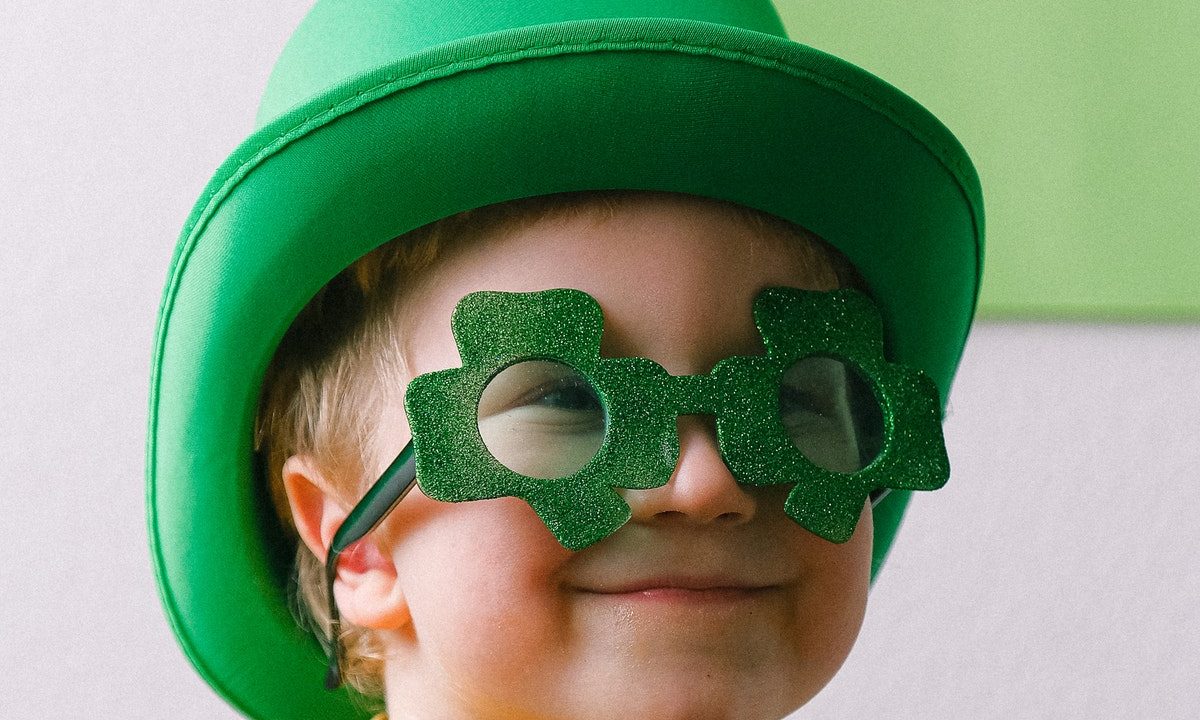
No matter where you or your family members were born, when March rolls around we’re all a little bit Irish! What’s more fun than breaking out the shamrocks and the green outfits as we keep our eyes peeled for leprechauns and their pots of gold at the end of the rainbow? St. Patrick’s Day is a holiday filled with fun for everyone.
With St. Patrick’s Day quickly approaching, now is the perfect time to celebrate with your wee ones as you commemorate the lively Irish culture and the hero who, according to legend, drove the snakes from the Emerald Isle. Now that you’ve got everyone decked out to celebrate the holiday, it’s time to plan some fun activities, too.
If you need a bit of inspiration for some holiday fun for the whole family, take a look at these timely St. Patrick’s Day activities for kids and start planning the festivities.
Tracing and decorating shamrocks
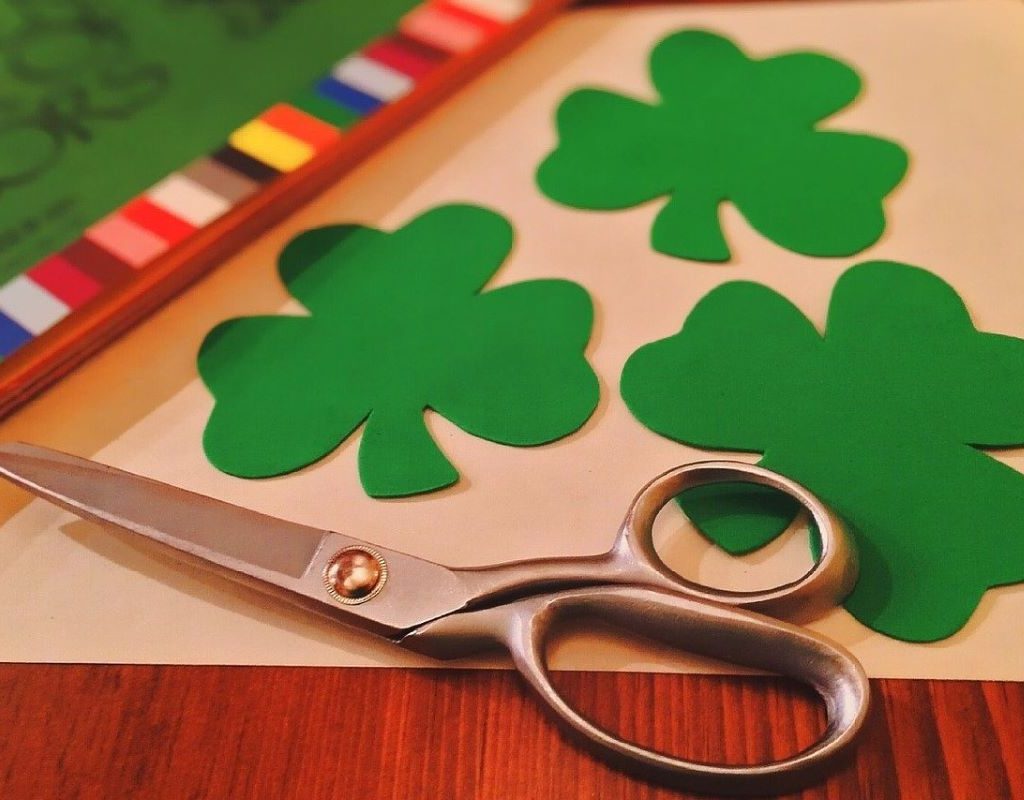
If you’ve got toddlers at home, you’ll want to look for St. Patrick’s Day activities that are appropriate for their abilities and skill level to ensure they can participate. For 2- to 3-year-olds who are developing those fine motor skills, you can make a stencil for them to trace their shamrocks. This fun activity makes artwork accessible and fun for little ones who, let’s be honest, are still in the scribbling and paper-crumpling phase.
To make a stencil, you can draw the shape of a shamrock on cardboard and cut it out with an X-Acto knife or sharp scissors.
From there, you’ll need to provide crayons, paper, and a bit of instruction on tracing. Your child can express their creativity by drawing faces on the shamrock or simply coloring in the shape. This activity might also pique the interest of older children who will want to join in the fun with glue, glitter, or stickers.
Creating a shamrock hat

Along with the decorative shamrocks, your kids will love making a charming little hat. This craft is so easy to assemble. All you need is a regular paper plate folded in half. Then, you’ll cut out the inner circle of the plate, leaving the outer edge for the brim. Make sure you leave about 2 inches of the inner section attached to the outer rim of the plate. You’ll cut this inner section of the plate into the shape of a shamrock.
Keep the plate folded in half and begin to cut the shape of a shamrock out from the inner section of the plate. If needed, you can trace the shape before cutting. Then, carefully unfold the plate, and you have a hat. The final step is to let your little artists color or paint their hats green.
Luring a leprechaun and staging a visit

Just as a visit from the Tooth Fairy or Santa Claus builds up the holiday anticipation, you can also come up with some fun ideas for luring a leprechaun into your home.
One of many St. Patrick’s Day activities for kids is making a tiny box of doughnuts. You and your children can use cardstock and clear plastic wrap to create doughnut boxes decorated with shamrocks, rainbows, gold coins, or any other St. Patrick’s symbol. For the doughnuts, you will need a ring-shaped cereal like Cheerios, cake frosting, and sprinkles. Young children and toddlers will enjoy dipping and decorating the “mini doughnuts” and all of the excitement at the thought of the leprechauns dropping in on St. Patrick’s morning.
For the visit itself, you can follow any of these silly (but harmless) ideas:
- Mix up the furniture cushions
- Leave half-full coffee cups with half-eaten doughnuts on the kitchen table
- Use a baby or doll’s shoe plus green, washable paint to place footprints leading up to the doughnuts and a treasure of trinkets or snacks
- Use food coloring in creative ways, like dyeing the milk green
- Place green ribbons on the pets
- Leave behind some toys, gold coins, or chocolates wrapped in gold foil
Legend has it that leprechauns were known for their mischief, so almost anything goes with these harmless pranks. Of course, don’t forget to leave an empty box of doughnuts.
Baking Irish soda bread

St. Paddy’s Day wouldn’t be the same without traditional Irish soda bread. All you need are just four ingredients:
- Milk
- Flour
- Baking soda
- Salt
You can add sugar, raisins, or caraway seeds if you like. Get your kids involved by letting them help measure the ingredients (always an educational activity) or stir everything together. Topped with a lot of butter, this favorite goes well with another Irish traditional meal — corned beef and cabbage.
Whipping up some Irish pancakes

Of course, when thinking of what to do with your kids on St. Patrick’s Day, consider making a special breakfast like Irish pancakes.
Irish pancakes may be thinner than their American counterparts, but they are just as tasty and you can still pack on your favorite toppings. Your wee ones will enjoy building their own breakfast by choosing fruits or berries along with whipped cream, caramel, syrup, or jam. Basically, you’ll take the same recipe for pancakes you typically use, but the slight variation involves a sprinkle of powdered sugar and a twist of lemon.
Following the rainbow road
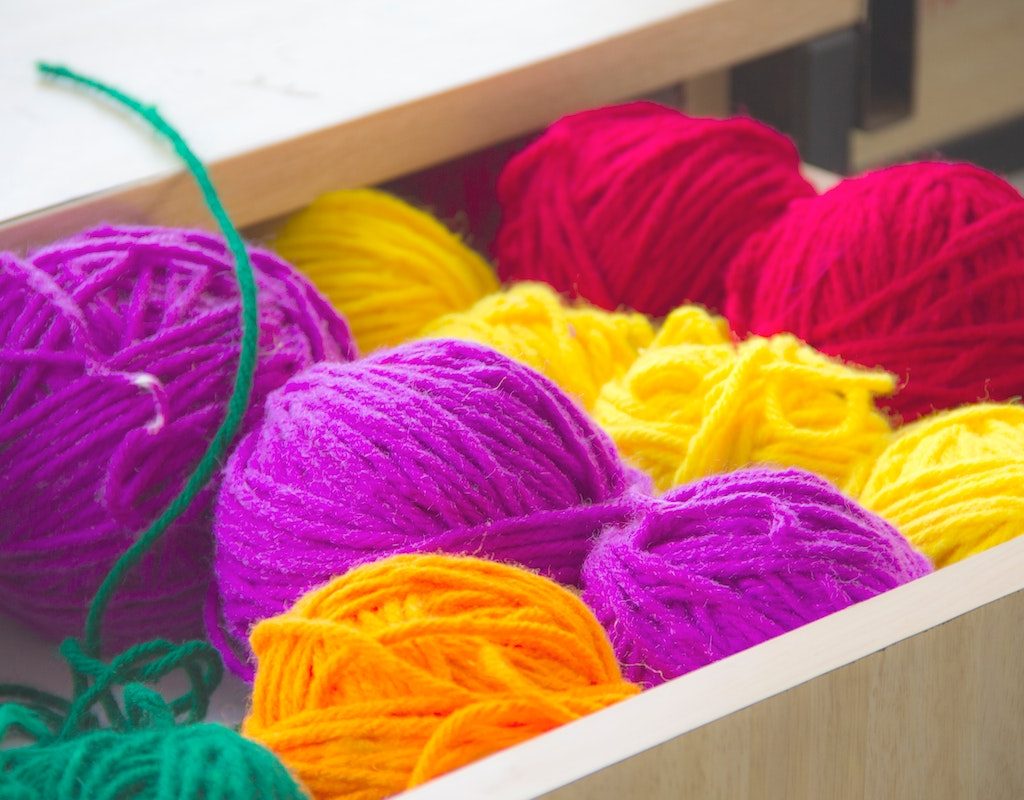
If the weather allows, you can take your St. Paddy’s adventure outside. This game, called the Rainbow Road, is such a blast for the whole family. You will need six rolls of yarn (each one a different color), some small plastic pots or bowls, small prizes or “gold” coins, and a whole lot of imagination.
First, take each color of yarn and unravel it around the yard to create six different obstacle courses. Each one will lead to a small pot of “gold” or other age-appropriate prizes. When constructing the obstacle course, consider having any older kids help out, unless they also wish to participate in the hunt for gold.
Fun for everyone

There’s something for everyone in the family when you celebrate St. Patrick’s Day with your kids. Not only is it a wonderful way to create lasting memories together, but it’s educational, too, as you can take the opportunity to teach them about Irish culture and traditions. Kids love the magic and whimsy of the day, from searching for gold coins to enjoying special-themed treats.
It’s also a great chance to talk about the history of St. Patrick and the significance of Irish heritage, fostering an appreciation for different cultures. St. Patrick’s Day is filled with fun and dancing and general merriment that kids of all ages can enjoy.
As you can see, there are many St. Patrick’s Day activities for kids and grown-ups to enjoy. So, tell a few tales or break out into a jig and a song with the whole family and have some fun.