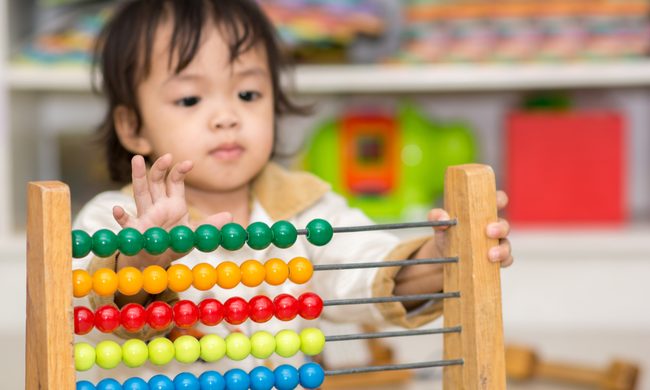
These days, a common buzzword popping up on social media feeds and in marketing materials for toys is “Montessori.” Kits like Lovevery, MontiKids, and KiwiCo play into the trend, sending families kits with natural, wooden toys that claim to be in line with Montessori.
What is Montessori, really? At its core, Montessori is not about toys (and not all wooden toys are even actually “Montessori inspired,” despite what the Amazon item name may say).
It’s a method developed by Maria Montessori, an Italian educator, physician, and scientist, as an attempt to help marginalized, unschooled children in the early 1900s. The method centers on the importance of independence and respecting a child in skill development. It’s a far cry from the status symbol toy kits of the 2020s.
The Montessori method started and continues to be implemented as an educational philosophy and approach. However, parents can also set up a Montessori home — with or without a toy kit.
What is Montessori?
Over the last few years, toy marketing has watered down and blurred the line of Montessori to the dismay of purists. At its core, Montessori is an educational method that stresses a child’s job is to play. In fact, “play” is called “work” in Montessori settings. Montessori believed that children went through “sensitive” periods for skill development, such as speech. She argued that understanding these periods and creating an environment with opportunities for independent play would foster development. For example, having realistic animal figurines and cards with photos of the animals could help a child develop speech.
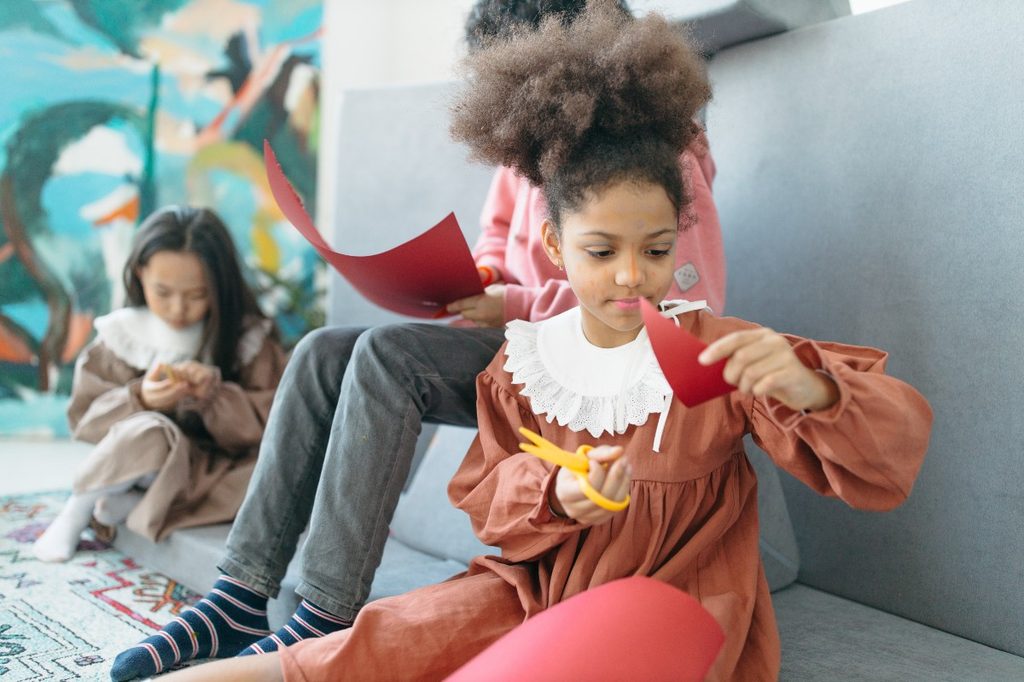
Many traditional educational settings have structured schedules and are designed for children of the same age. In Montessori environments, children of mixed ages choose the items they’d like to “work with” and are given long stretches of uninterrupted time for self-selected activities.
Montessori involves close-ended activities, and the setting de-emphasizes pretend play and screen time. Instead, children may focus on an activity like threading beads, playing musical instruments, or placing a wooden egg into a cup. There’s no competition or rewards.
Teachers (or parents in a home) set up spaces so children can easily access items, including self-care products, such as hairbrushes and activity materials. An open shelf with a couple of cubbies and a limited number of items is standard Montessori. Bookshelves allow the cover to show. Children can use step stools to reach items that may be too high to get on their own.

What are the benefits of Montessori?
Montessori enthusiasts believe the approach fosters:
- Independence
- Self-confidence
- Self-respect
- A love of learning, particularly hands-on learning
- Less reliance on praise
What does the science say? The Montessori parenting method has yet to be studied, and research is limited on education, as a 2017 review pointed out. Authors called for more research into which children Montessori education would benefit.
Getting accurate data on the method is challenging because Montessori discourages tests. The term isn’t trademarked. Any school can use it, whether it is actually Montessori or not.
Still, it’s popular right now, and some parents and educators love the method for their children and classrooms.
How to implement Montessori in your home
Perhaps you’re striving to provide your child with a pure Montessori home, or maybe you simply want to incorporate a few elements. Here are some ideas:
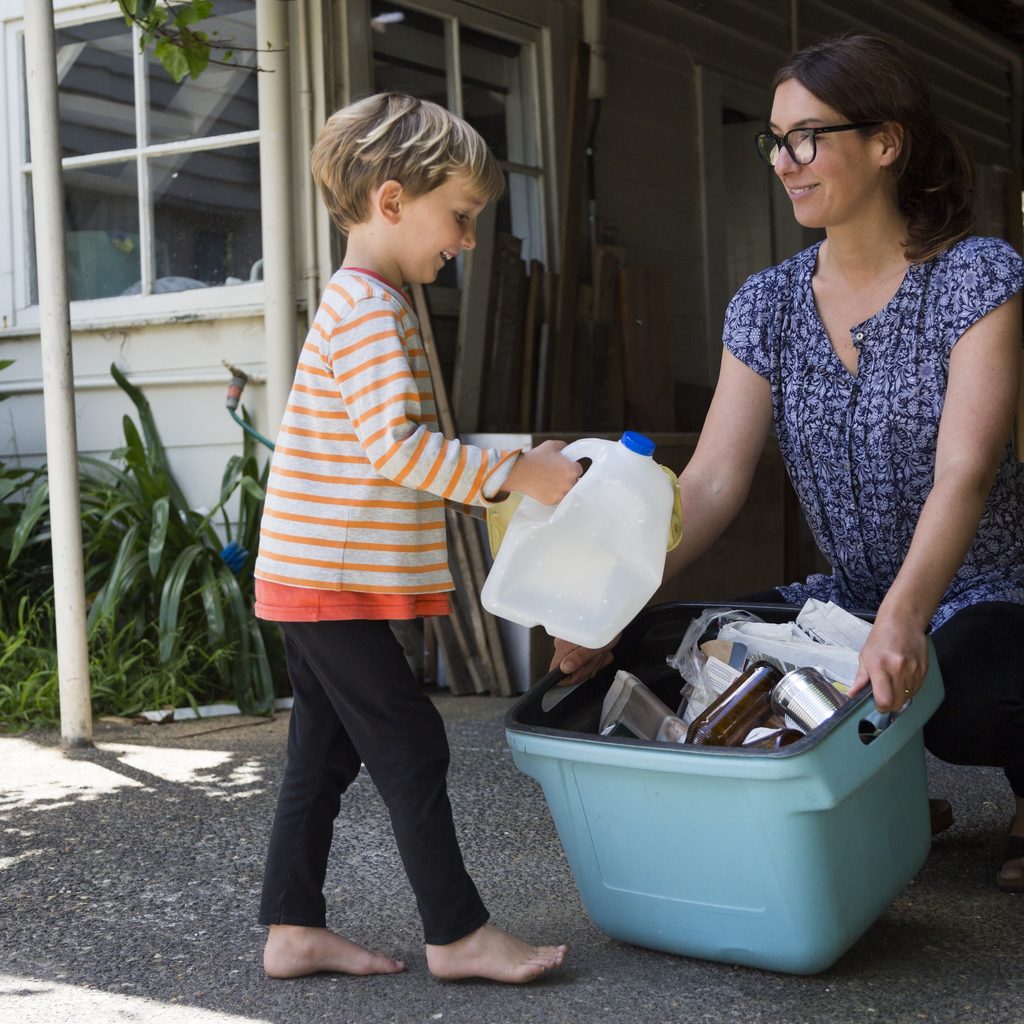
- Cook together. Montessori looks to develop real-world skills. Consider allowing your child to help in the kitchen in age-appropriate ways, such as by pouring flour into a bowl and stirring it.
- Go outside. Maria Montessori said that there is no such thing as bad weather, only inadequate clothing. Head out for a nature walk. Collect items like pine cones, leaves, and sticks, and display them as decor around your home. Alternatively, offer the items as a sorting activity. The child can put sticks in one basket, leaves in another, and pine cones in a third.
- Make the home child-friendly. To encourage independence, lower hooks for the child to hang their coats. Have a self-care basket at a child’s height. Keep toys where the child can reach them. Consider having a snack drawer for your child to pull from as they need. Bonus: This independence reduces the number of requests you get per day.
- Focus on natural, close-ended items. Montessori toys require the child to do the work. Avoid items with buttons or that look unrealistic, such as blue cow figurines — cows aren’t blue. You can look into second-hand shops and the Facebook marketplace for reduced prices on items.
- Avoid praise and rewards. It’s hard not to say, “great job” when your child does something you love. However, Montessori feared this acknowledgment would turn children into “praise junkies.” (Be nice to yourself — excitedly telling your child that they did great is basically second nature for many parents, and you’re doing the absolute best you can.) “You really practiced learning to thread.” “I can see how hard you worked on that painting.”
Montessori is currently all the rage. That said, it may not be what’s “best” for your child. Some children thrive with added structure. It’s also important to note that only some families can afford the price tag of sending their preschool-aged child to a Montessori school, particularly if universal Pre-K is an option. Perhaps incorporating some Montessori elements in the home while sending a child to a more traditional preschool is best for your child and family. That’s OK. You know your child better than influencers and other parents who swear by the method. If you’re interested in learning more, books like Montessori’s The Absorbent Mind and The Montessori Toddler by Simone Davies are full of helpful ideas.