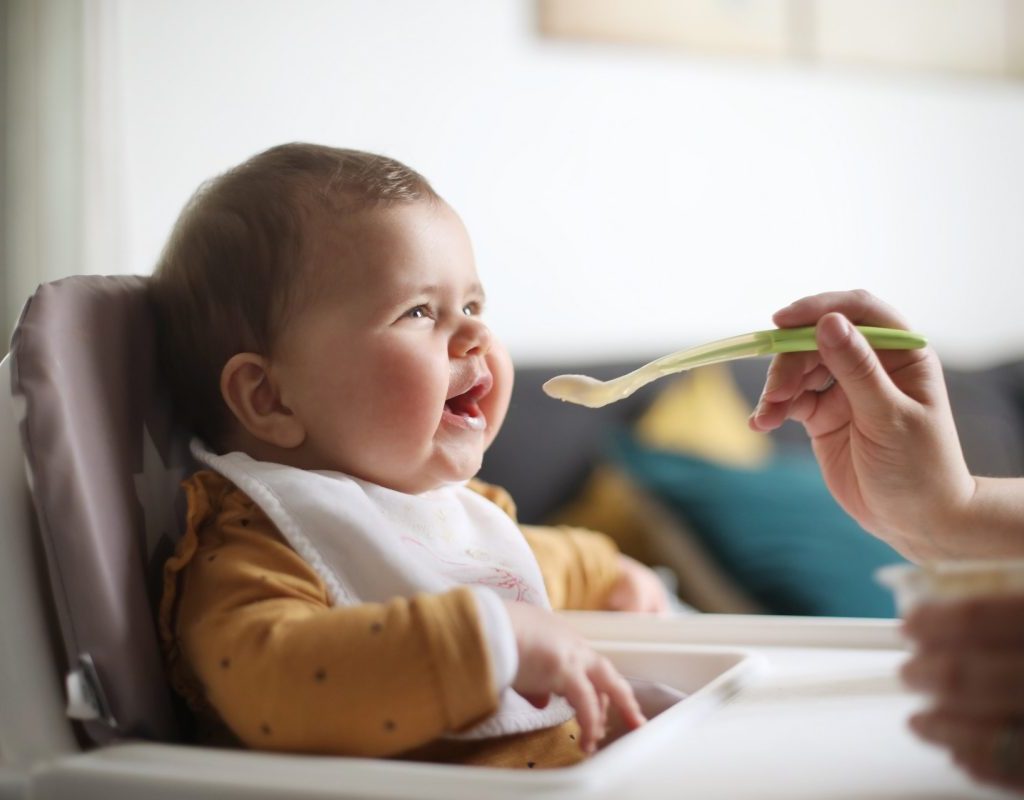
When babies are first introduced to solid foods, they tend to already prefer what they like. Some little ones like vegetables, while others prefer the sweet taste of fruits. Babies usually take to eating solid foods quite quickly and enjoy experiencing the new flavors. Let’s face it, once a baby starts on solid food, all they want to do is eat everything you put in front of them. But what happens when your baby’s not eating solids?
It can be confusing for a parent when their munchkin, who seems to enjoy food so much, suddenly refuses to eat solids. Or, when their little one begins eating solids, but then stops eating them entirely. This commonly happens with kids and isn’t something to be too concerned about or cause panic. Let’s go over why your hungry hippo is rejecting solid foods and if there’s anything you should do about it.
Introducing baby to solids
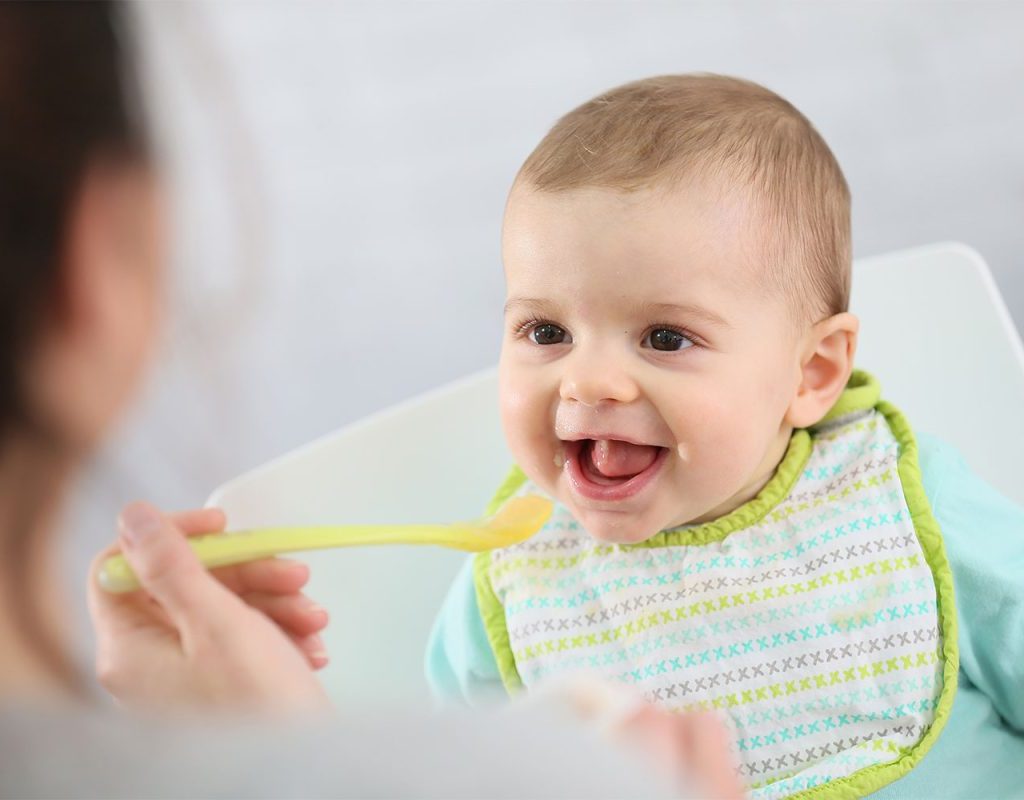
Starting babies on solid foods could be confusing or overwhelming, especially for first-time parents. While it is exciting to introduce your little one to new foods and flavors, it could be a challenge to get them to accept the idea of something different. The American Academy of Pediatrics suggests starting solids around 6 months of age. You want to take your time introducing new foods to your baby, not only to monitor them for any food reactions, but also to get them used to the idea of eating. They have to learn this skill, and it takes some time.
When first introducing your baby to solid foods it’s okay to offer it just a few times a week before slowly graduating to a more consistent schedule. Try to offer solids when your child is in a good mood and not tired so they enjoy the experience and get used to the idea of eating solids.
If your baby is just starting out on solid foods
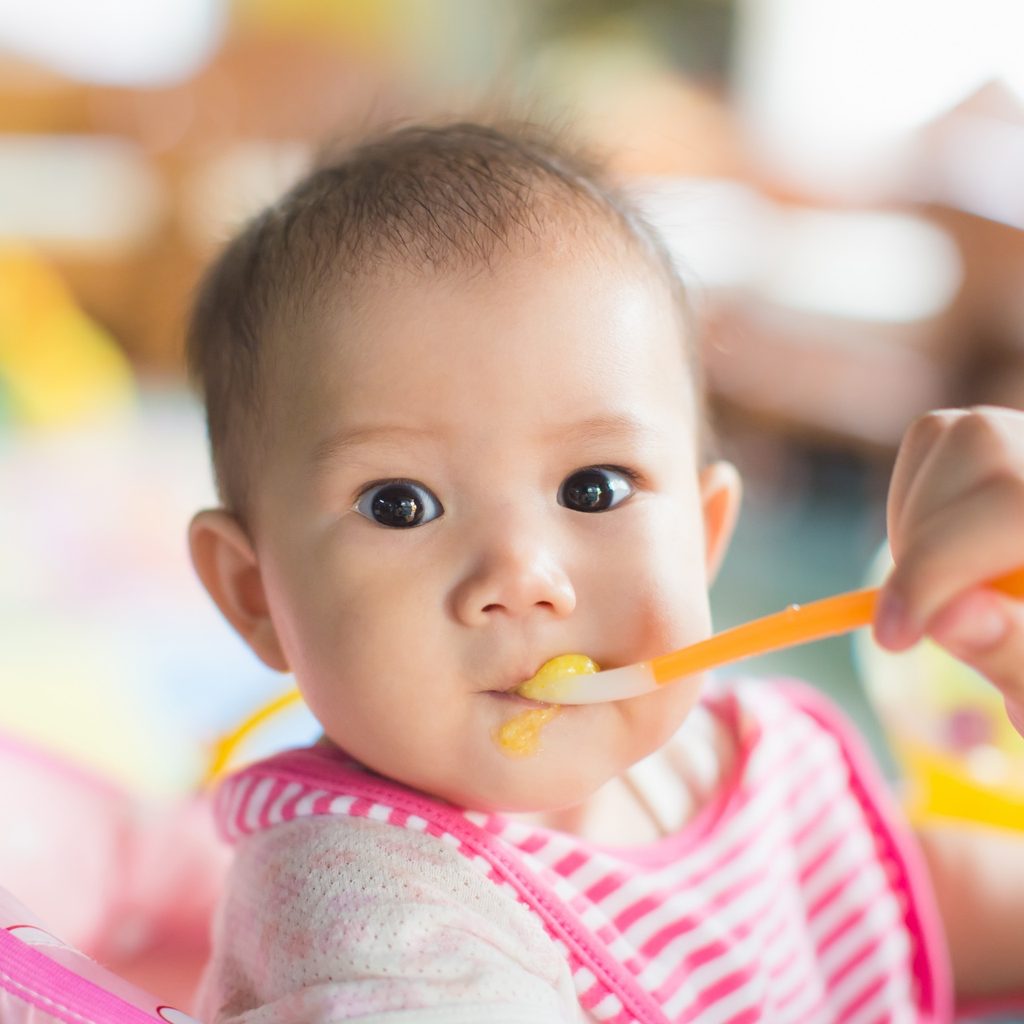
Typically, parents start introducing solids to their babies between 4 to 6 months old. When babies are first introduced to solid foods, it’s not surprising if they automatically try to spit it back out. They may also gag a little bit, which is not to be confused with choking.
For babies, it is all about texture. All adults have those “texture issue” foods that they just won’t eat, no matter what. Babies are the same, and it’s more normal because it’s their first time trying it. When they feel the new texture on their tongue and in the back of their throat, they’re not used to it — which means you could wind up dealing with a mess.
If your child is at this stage and spitting out their food, they might just have to get used to the new texture. If your baby is not eating solids because they aren’t interested or plain don’t want to, they might not be ready for this step yet, and that is okay.
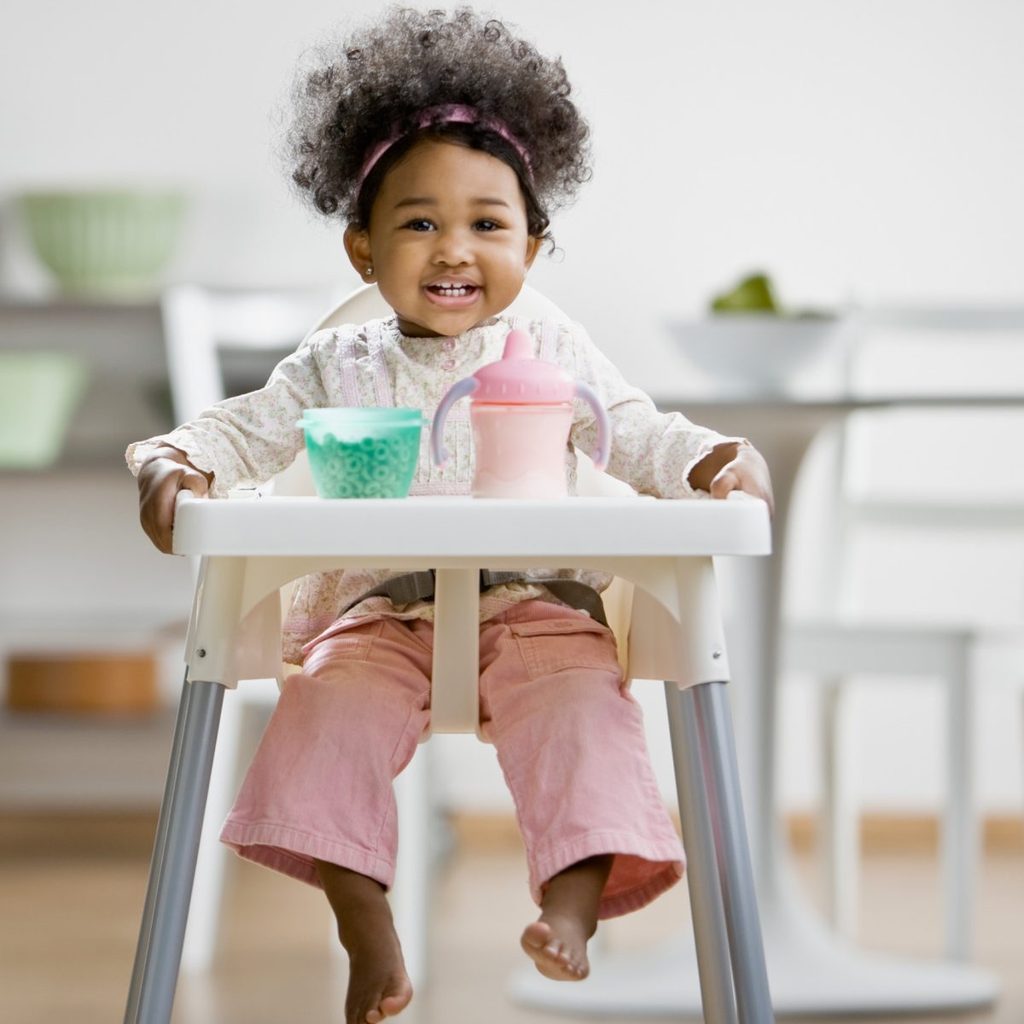
If your baby is a little older and has been on solid foods for a bit
By 8 months of age, your baby should most definitely be interested in eating solid foods. If they are still refusing, it might come down to a sensory issue.
There could also be the problem of coordination. It actually takes a lot of work for babies to eat solids. From opening their mouth to getting the food off the spoon to swallowing the food without any issues — it’s a whole process. Some kids take longer to learn different skills. As long as your baby is trying, they’ll get there.
There is also the possibility that your baby could be bored with their food. This means it may be time to introduce finger foods and allow your child to experiment with something new that will make them more interested in eating. Make sure there are different colors, shapes, and textures for your child to try.
By this age, if you notice your baby excessively spitting out the food when you try to feed them, or they are continuing to gag, you should reach out to their pediatrician to see what they recommend. You don’t want your child to lose weight or not get the proper amount of nutrients, so a check in with the doctor wouldn’t be a bad thing.
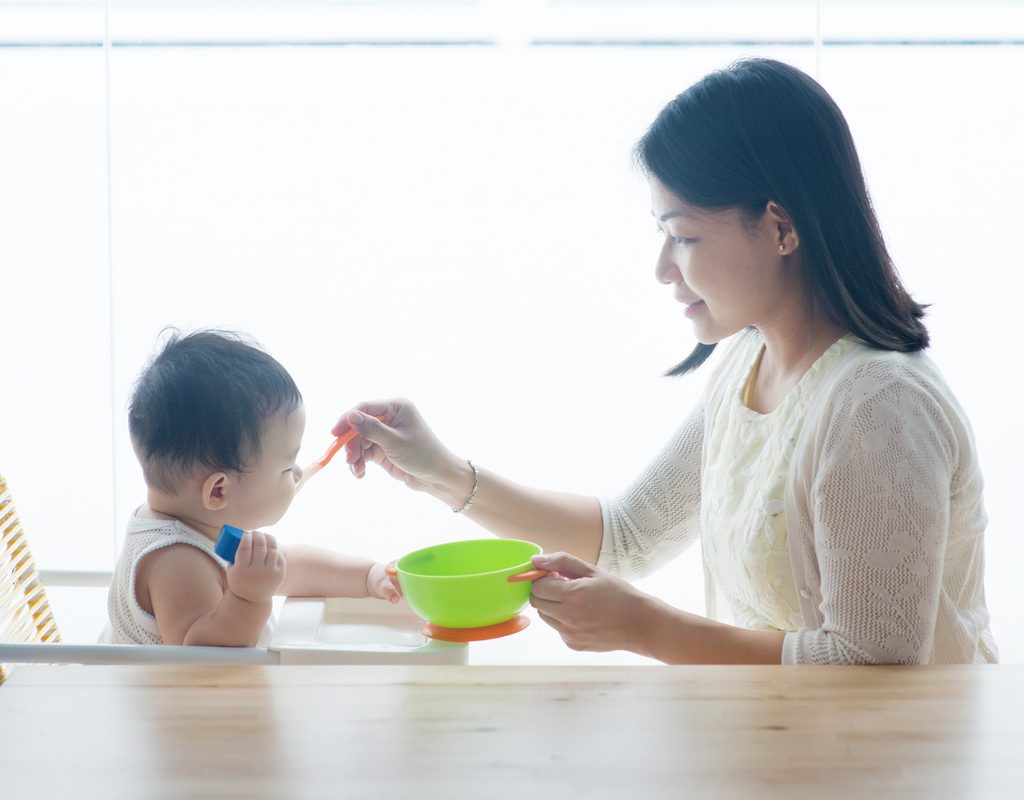
If they stop eating solid foods altogether
Some babies have no problem with solid foods in the beginning, but then you notice they are refusing them all of a sudden. There are a few reasons why this could be happening.
Baby is sick
If your baby has a cold or a virus that makes it hard for them to breathe through their nose, they may literally turn their nose up at solid foods. If you remove the mucus from their nose, they might try to eat again. They also might not want any solid foods while their nose is miserable, and that is normal.
Baby is teething
Another common reason they refuse solids is teething. Teething makes babies feel terrible all around. They’re certainly not going to want to put solid foods into their mouth because their mouth and gums may be swollen, red, and sore. Babies know chewing could be painful so they will often refuse to eat. Offering liquids like smoothies or frozen items like homemade popsicles will help soothe those gums and get food in that tiny tummy.
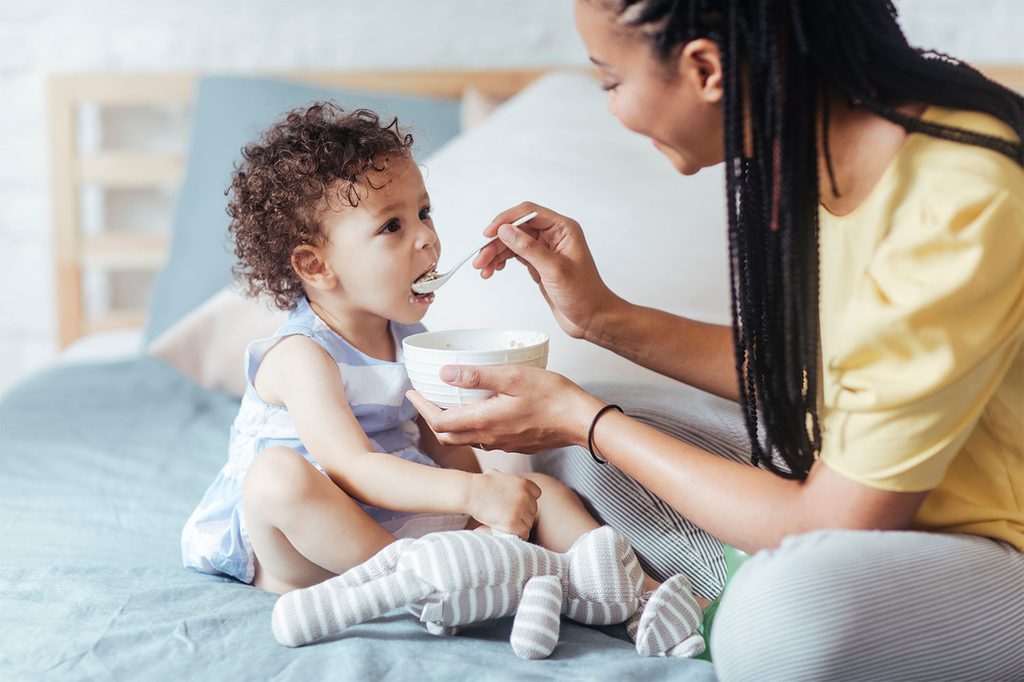
How to help baby love solids again
You, as the parent, can help your little one get their appetite back. There are a few tips and tricks to check off to help your baby fall in love with food again.
Make sure you’re only feeding them when they are hungry
If they aren’t hungry, don’t force it. You eat when you are hungry and don’t when you aren’t. Your baby is the same.
Eat with your child
As much as you can, eat with your little one. Eating solids is a new experience for your baby, and they want to see how you do it. Have them watch you eat as much as possible. Babies are little mimic monkeys, and what they see is what they do.
Make sure the environment is set up for the mood
Ambiance is everything, right? You don’t want to eat in the dark with loud music blaring in your face. Try soothing music and soft lighting at mealtimes. Make sure your child’s seat is clean and comfortable.
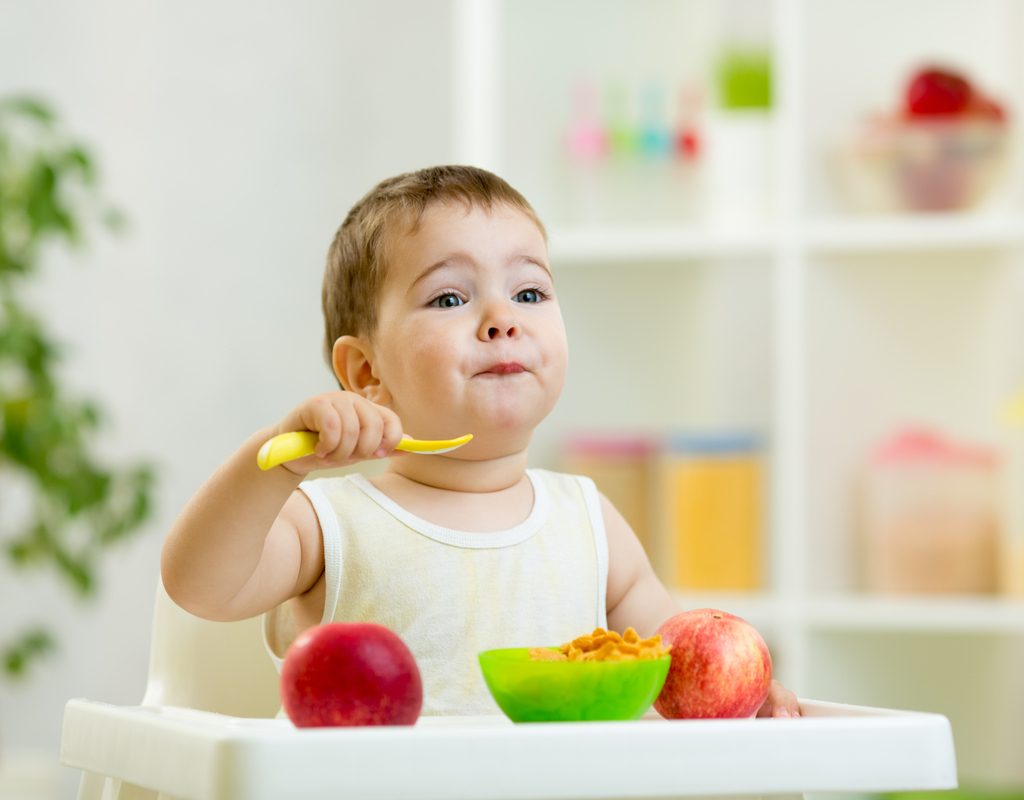
When it’s time to get outside help
If your baby is still refusing solid foods at the age of 7 to 8 months, it’s worth giving their pediatrician a call. You might even need to bring your little one in for a quick checkup so the doctor can tell you exactly why your child is not eating or tolerating solid foods. They might end up referring you to a pediatric dietitian with specialized expertise in that field.
Oftentimes, the reasons babies refuse solid foods are simple and nothing to worry about. Either they’re not ready, they’re not used to the texture, or they’re not feeling great. Don’t we all prefer soup when we’re under the weather?
Know that your baby not eating solids is a natural part of their development and typically not cause for alarm. After you’ve checked all the boxes, you will have your baby well on their way to eating — and enjoying — solid foods again. This is one more milestone and stage you will master as a parent, right in time for toddlerhood.


