
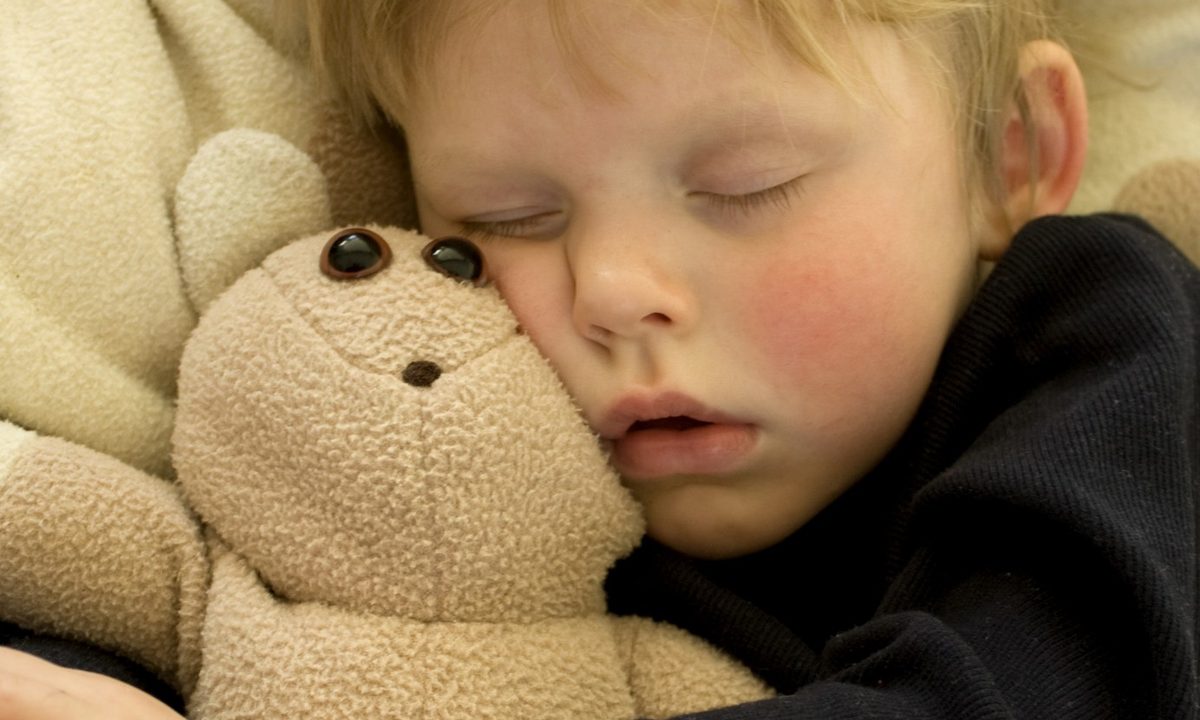
Anyone who has ever been around an overtired toddler knows the importance of napping. Napping is important for younger children who need to rest so they can not only recharge their batteries but so they can grow and develop. But napping too much can cause problems sleeping at night. What is the right age for kids to stop napping? And what happens if they nap too much or too little? We have all the answers here.
What is the right age for kids to stop napping? Do older children benefit from naps?

Although there isn’t a hard and fast rule, as toddlers turn to preschoolers and beyond, they’ll only need one nap a day instead of two. There are a few telltale signs to look for that signal your child is outgrowing naps. If your child takes a long time to fall asleep before a nap or at night, or if they are interested in skipping naps, they are probably ready to take fewer naps. If they aren’t tired, don’t try to force them to sleep. Note that even if a nap is skipped, the total number of hours a child needs to sleep in a day is not changed, and they may need to go to bed earlier or wake up later.
In their first year of life, a child will typically go from taking five or more naps in a day to just two. Then, by the time they are 2, most children will only take one nap a day. Don’t cut out naps altogether before the age of 4 or 5, though! Naps are important to any young person’s development. Do naps have to be stopped completely once children reach a certain age?
The American Academy of Sleep Medicine recommends that children ages 6 to 12 get nine to 12 hours of sleep per night, while those who are ages 13 to 18 need eight to 10 hours. Nationally, about 65% of middle and high schoolers don’t get the suggested amount of sleep daily. If children are to start school at 7:30 a.m. and get on a bus at 6:45 a.m., assuming it takes them a half hour to get ready, they would need to go to bed around 10:00 p.m. each night to get enough sleep. This isn’t very realistic when they get home at 3:30 in the absence of extracurriculars, then have homework and dinner to complete the day.
In preteens and teenagers, a sleep phase delay is common, meaning their biological clocks feel the need to sleep and wake up later than normal. Paired with early start times, most current American school schedules contribute to many students getting inadequate sleep. When school start times are moved to 8:30 a.m. or later, teens earn higher grades and attend school more. Legislation has previously been introduced to encourage the Department of Education to conduct more research into school start times and teen-sleep hygiene.
How to successfully wean your child off their nap

Most experts suggest slowly reducing your child’s nap time when it’s time to wean them off their naps, especially if you don’t want to deal with meltdowns by cutting them out cold turkey. This could mean reducing their nap time by just 15 minutes one week, then another 15 minutes the next, until you cut out the nap altogether. If you notice that your child isn’t ready to cut the nap out completely, you can try alternating days when they nap. Try to keep them engaged during nap time so they don’t naturally want to fall asleep. Putting them in a darker room with a movie playing is going to make them want to fall asleep, so maybe try to schedule a play date or take them to a park when they would normally nap during the time when you’re trying to limit their napping.
Understand that your child may need some extra sleep on certain days, especially if they’ve been busy. That’s totally normal and understandable, but try to keep some consistency when weaning them off their nap so they aren’t expecting that regular nap time.
What can happen if a child doesn’t get enough sleep during the day?

Insufficient sleep in younger children is infamously linked to their irritability. But a lack of sleep can cause much more serious problems than just a bad mood. In both children and adolescents, a lack of sleep increases the risk of many health problems, including obesity, diabetes, accidental injuries, poor mental health (including suicide), and attention and behavioral problems.
How can I be sure my child gets restful sleep?

There are a few steps you can take to make sure your child gets better sleep throughout the day. First of all, make sure a child has a cool, quiet, dark sleeping environment. Maintain similar bedtimes, bedtime routines, and wake-up times from day to day.
Observing your toddler’s daily routine will help your child learn when it’s the right time to sleep. Children with set bedtimes are more likely to get adequate sleep on any given day. Limit a child’s exposure to food (especially sugary or caffeinated things) and screens for at least an hour before bedtime. Perhaps implement a media curfew, where you set a daily time for all devices to be powered off.
Sleeping is a favorite part of many people’s days. And why wouldn’t it be? You might envy how much your toddler gets to sleep, and to ensure you stay envious, help them get enough sleep throughout the day and at night. Setting kids up with healthy sleep routines early in life can help them later on.