
Now that your child has reached the stage where they have graduated to table food, you may have started surfing the internet for recipes. You may have even begun to peruse through books seeking out food combos for solid feeding 12-month-olds. To help, we have gathered a few baby dinner recipes to get you started.
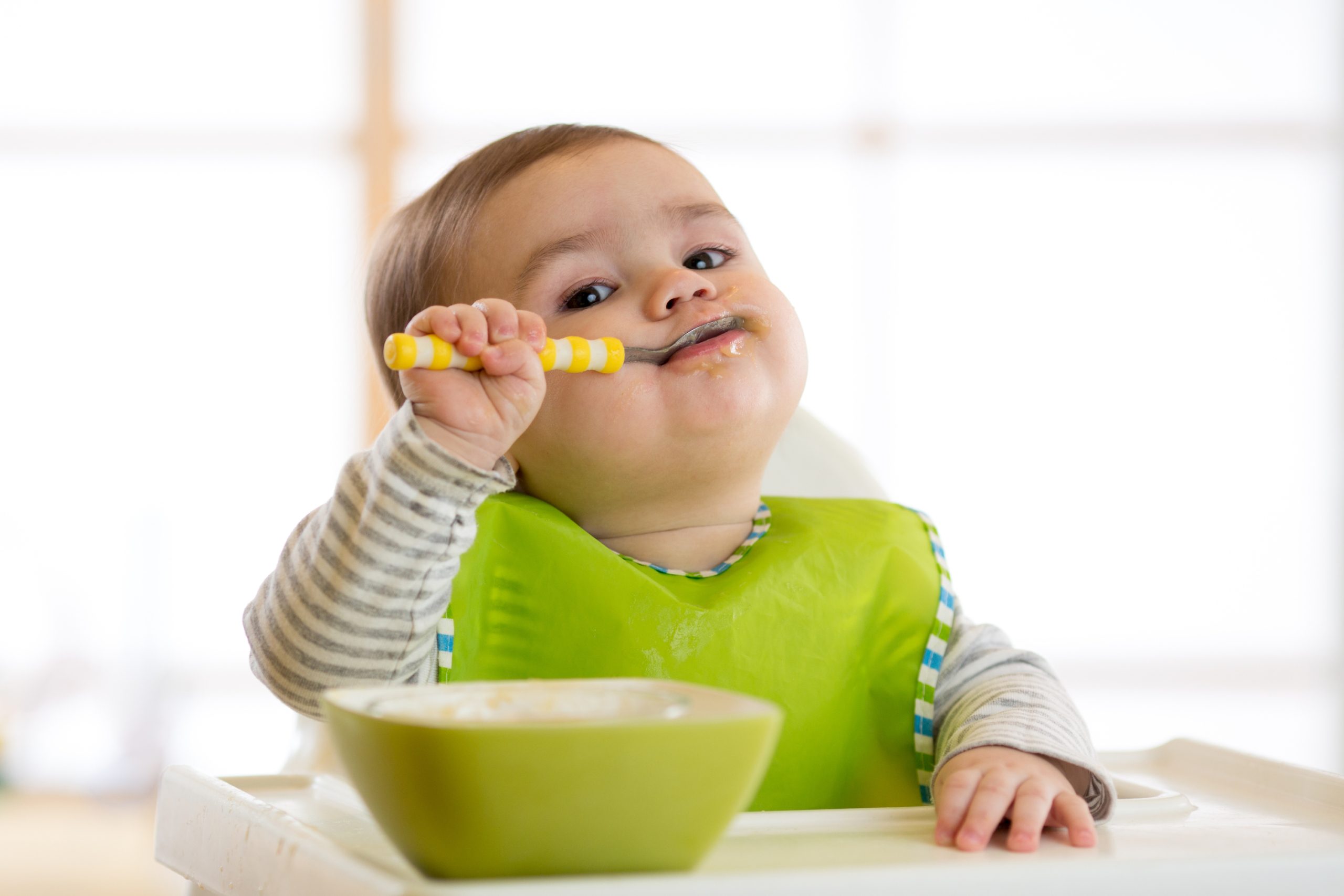
Yummy pureed sweet potatoes
This tuber is packed with immunity-boosting Vitamin A. Plus, babies and toddlers love the slight hint of sweet flavor. The added advantage is that sweet potatoes don’t contain a lot of sugar. So, here’s an easy way to prepare sweet potatoes for your baby’s next meal.
Scrub and peel one sweet potato. Wrap it in foil and bake for about 30 to 40 minutes or until soft. Slice and place it inside of your blender along with a pinch of cinnamon to taste. You can use pumpkin spice instead of cinnamon for older toddlers, but be careful since nutmeg might cause younger babies to get gas. Start pureeing the mixture until it reaches a smooth texture with absolutely no lumps.
Creamed spinach
Spinach is a great source of iron, calcium, and vitamin C, which are important nutrients for your growing baby. This dish is extremely easy to chew for babies who are just starting with solids and a tasty favorite with young toddlers as well.
In a pan, over low to medium heat, sauté a tablespoon each of finely chopped onion and minced garlic for about three minutes. Next, add a cup of fresh, chopped spinach and sauté in the mixture until it’s completely softened. Then add about 2/3 cup of whipping cream. Stir the mixture together until it thickens.
“Fried” riced cauliflower
For this recipe, if you choose to start with the whole head of cauliflower, you will have plenty of extra servings to refrigerate or freeze. Otherwise, you might consider starting with just one cup of chopped cauliflower.
First, cut the desired amount of cauliflower and pulse it a few times in your food processor until it resembles little grains of rice. Next, you take some fresh or frozen peas and carrots or any other vegetable of your choice, a tablespoon of minced garlic, and mix with the cauliflower in a pan with two to three tablespoons of olive oil. Sauté until the mixture has a soft (not soggy) texture.
Fruity, zingy chicken
Chicken always proves to be one of the most palatable protein sources for babies. The flavor is not overpowering, and the texture is tender enough for babies to chew. (Remember that you can also puree chicken or even start with a broth for younger babies.)
This fruity, zingy chicken is packed with nutrients and flavor. Take a cup of cubed chicken and sear it in a small amount of oil (breast or thigh meat works best). You don’t have to cook it all the way as it will be added back towards the end to prevent drying or toughening of the meat. Next, sauté some chopped onions and minced garlic until the onion softens. Then add some chopped carrots, a small pinch of cumin, or (very mild) curry and stir. Add some stock if the other ingredients start to stick to the pan. Then add some chopped pieces of apple and apricot. Stir the mixture until it’s soft and add the chicken to finish cooking for another 10 minutes.
Mashed potatoes and carrots
This dish is just another spin to an everyday favorite for additional B vitamins and Vitamin C. For one small meal, you can cube one potato and boil the pieces until they’re soft. (For a time-saver, you can also microwave one potato for eight minutes or until it’s soft enough to mash.) Also, peel and boil or steam some bite-size cubes of carrot. Mix the two and add just a small amount of butter for flavor.
The ever-popular scrambled egg
Scramble one egg in a bowl and add just a tablespoon of milk or cream with a dash of sage or garlic powder for flavor. Melt one small slice of butter in a pan to prevent the egg from sticking. Cook until the egg is thoroughly firm.
Butternut squash
Another versatile base for many baby food recipes is butternut squash. Packed with vitamins and fiber, this slightly sweet gourd pairs well with fruits such as apples and pears; plus, you can also combine it with chicken. Prepping the squash is quite easy. All you have to do is cut it in half and roast at 400 degrees for 30 to 40 minutes. Once the squash cools, you can puree it to store or start creating tasty dishes for your baby.
One tip to remember is that most of these dishes will yield a larger quantity than what’s needed for one meal. Thus, you can divide the finished product into smaller serving sizes to refrigerate for the upcoming week’s meal planning or freeze inside of ice cube trays (covered with plastic wrap) for up to three weeks storage.
Finally, you can add just about any variation to these baby dinner recipes, depending on your child’s food tolerances. By incorporating a “colorful” menu, you’ll be giving your baby a well-balanced, nutritious diet. Bon Appetit!