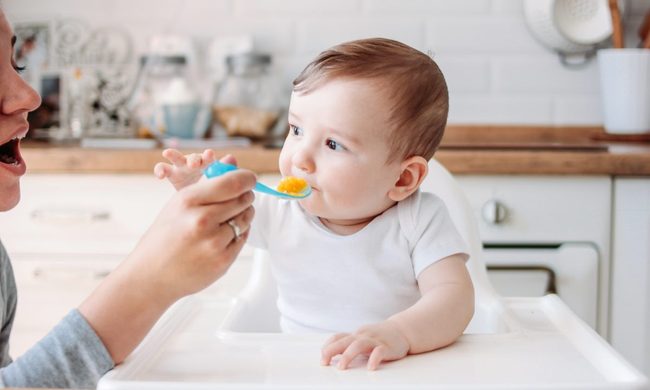

Sometimes babies exhibit behavior that causes parents concern. If you’ve noticed your child is shaking their head more than you think is typical behavior, your first reaction might be to worry. That’s a perfectly understandable instinct when your baby does something that seems a bit unusual. But how do you know if this is uncommon and how worried should you be about head-shaking child behavior?
We’ve compiled a variety of information about head-shaking behavior to help ease your mind and let you know when head-shaking child behavior is normal or if you should be concerned. We look into what causes a child’s head shaking, and what to do about it. It all depends on your child’s age, as well as other symptoms and factors, and we’ll break it all down for you.

When head shaking is normal in babies and toddlers
Head shaking is a normal part of a baby’s behavior and development. Even as newborns, babies move their heads side to side and “root” for milk. As they grow, they will explore movement and their range of vision by turning their head from side to side.
Under 2 years of age is when you’ll notice this behavior. Whether trying to find food, trying to find where that noise is coming from, or trying to find your face because they hear your voice, a baby has a lot of reasons to do a bit of head shaking.
The meaning behind head-shaking behavior
In babies, a shaking head has many potential reasons. They may be self-soothing or developing their neck muscles. If they’re trying to hold up their head, it shakes because their muscles aren’t strong enough to hold their head steady or they’re shaking their head to strengthen their muscles.
In older babies and young children, a shaking head could be a tremor or a tic. Several conditions can cause tremors or tics and would likely accompany other symptoms. While some conditions are serious and rare, a tic disorder is fairly common in children and is treated by a general pediatrician. Most of the time, the tics resolve and subside on their own. You should see a pediatrician to talk about your concerns.
Neurological problems like rhombencephalonsynapsis also cause persistent side-to-side head shaking. If your baby or child seems unable to control other parts of their body besides their head, that could be a sign of an issue that isn’t part of typical development.
Additional behaviors with head shaking to look out for
If you only notice head shaking with your little one, that should be fine. But there are other behaviors, which when coupled with head shaking, could mean there’s something else going on.
Check if your child also has these symptoms
- A cold
- Tugging at their ear
- A fever
- Refusing to eat
- If they are lethargic
Other behaviors to look for
- Lowered or sudden poor interaction with others
- Unusual eye movements
- Head shaking over 2 years of age
Sometimes a baby’s shaking head may happen because of a medical issue. This could range from pain like an ear infection to a neurological issue like epilepsy.
As they get older, toddlers might shake their heads out of excitement at times, but there is no reason to do so like there is for babies. Talk to your pediatrician if your child is shaking their head past the age of 2. It’s not part of typical development for a toddler or child over the age of 2 to repeatedly shake their head back and forth. It could be a self-soothing behavior, but you should check in with a doctor to find out the cause.
If and when to worry about your baby’s head shaking
It is usually normal for babies to shake their heads from side to side. However, always reach out to your doctor if you’re concerned or have questions. If your baby is showing any other symptoms in addition to head shaking, get in touch for a professional opinion.
Seek medical attention if your baby starts to seem limp or if their whole body is shaking. Head banging could be normal but should stop by age 2, just like head shaking.
Head shaking is one potential sign of autism, if combined with other signs, but on its own, it isn’t a clear cause to think your child is on the spectrum. Not meeting other milestones, not understanding social cues, and other major markers are more likely to clue you into autism than only head shaking.
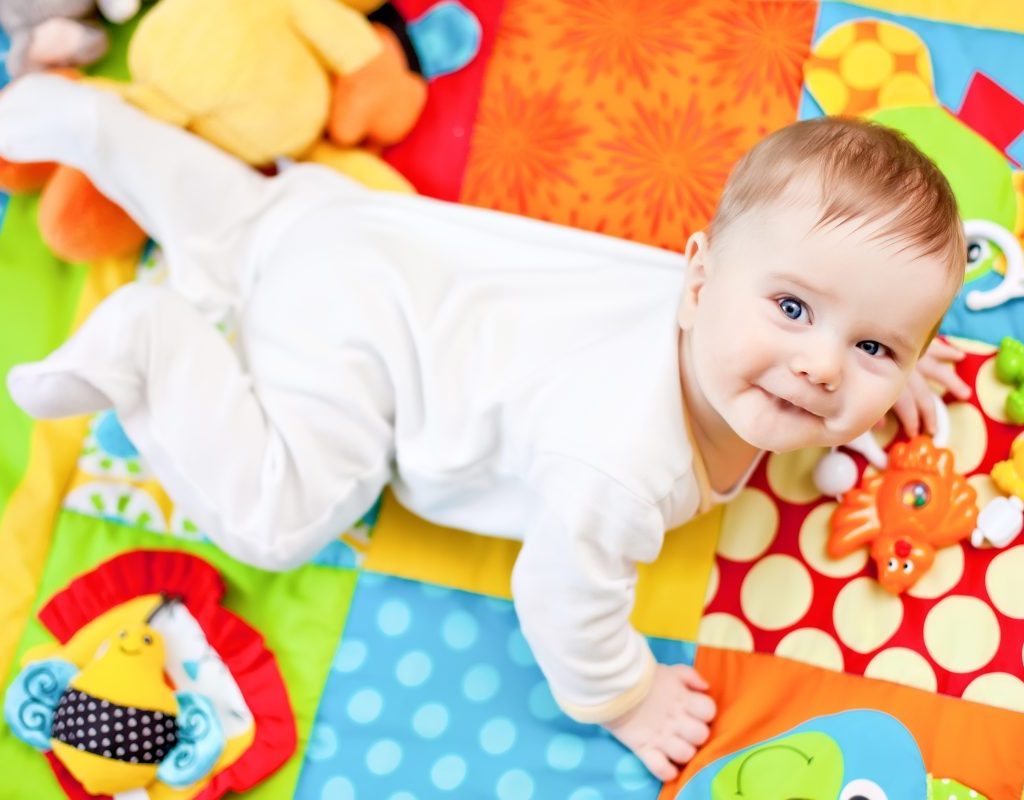
What to do about a child’s head shaking
You don’t need to do anything about your baby’s shaking head if there are no accompanying issues (other body parts shaking, for example). However, any time you’re concerned, have questions or have an off feeling, give the pediatrician a call. If your child who is over 2 years old is shaking their head, you should talk to a pediatrician. If the shaking comes on suddenly and seems like a seizure, go to the hospital.

When to call the pediatrician
Although head shaking is common child behavior, there are related behaviors to look for that could indicate a greater issue. According to Healthline, call your doctor if your baby;
- Doesn’t interact with you or their siblings
- Doesn’t move their eyes normally
- Develops knots or bald spots from banging their head
- Shaking increases during moments of anxiety
- Seems like they want to hurt themselves
- Fails to reach other developmental milestones outlined by your doctor
- Doesn’t respond to your voice, as well as other sounds
- Continues these behaviors beyond 2 years of age
They also suggest frequency as an indicator of whether your child’s head-shaking behavior is something to worry about or not. If you notice them shaking their head during a feeding, while falling asleep or playing, it may not be anything to worry about. If you notice the head shaking is happening more often and lasting for longer periods of time, contact your doctor.
If you are a first-time parent, every little thing seems like a huge deal. We understand that. It’s completely natural to wonder if this movement or that noise is normal or something you should be worried about. Head-shaking child behavior is definitely one that would cause concern over others.
Trust those parental instincts, but know it’s never too much if you want to call the pediatrician. Head shaking is one of many quirky things you’ll see your nugget do. Parenting is hard work, with lots of unknowns, so take it one day at a time and you’ll do great.