  1. Home
  2. Stages
  3. Evergreens

How long is formula good for? This is when to toss it

When should you throw it out, even if you don't want to

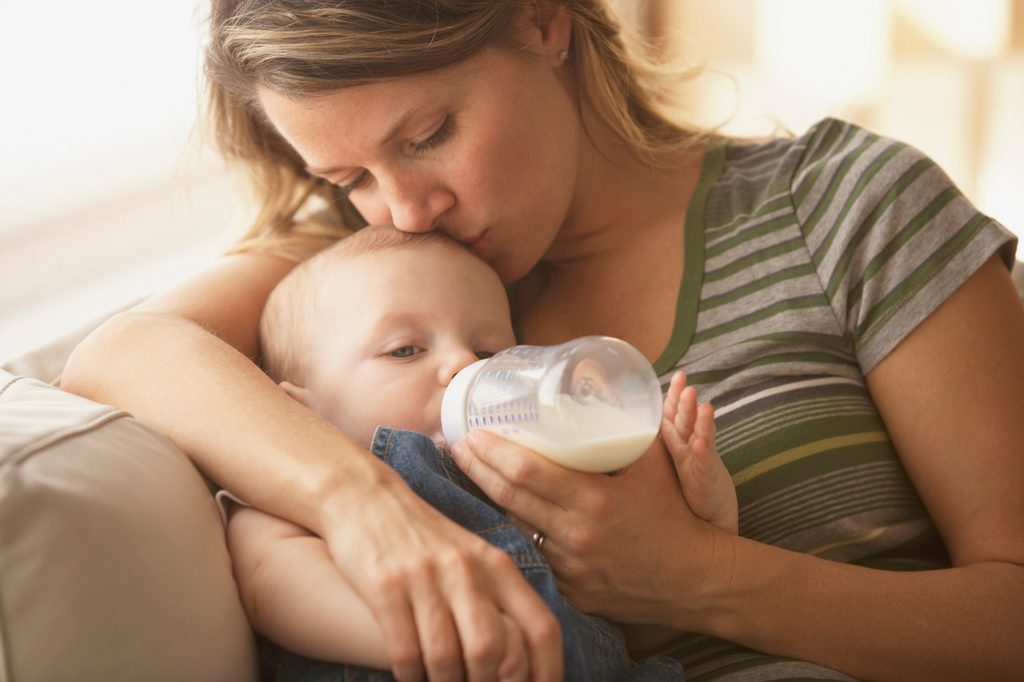
Mother feeding her baby a bottle.
Ariel Skelley / Getty Images

Everything seems to be expensive these days, including baby formula. It can be tempting to stock up on your favorite brand if it goes on sale, but you have to be mindful of the “use by” date on the packages. It can also feel like you’re dumping money down the drain if you prepare a bottle for your babe and they only drink a small amount before they fall asleep or have no interest in drinking more. Whether it’s prepared or not, here’s how long formula is good for and when to know if you should toss it or not.

Unprepared formula
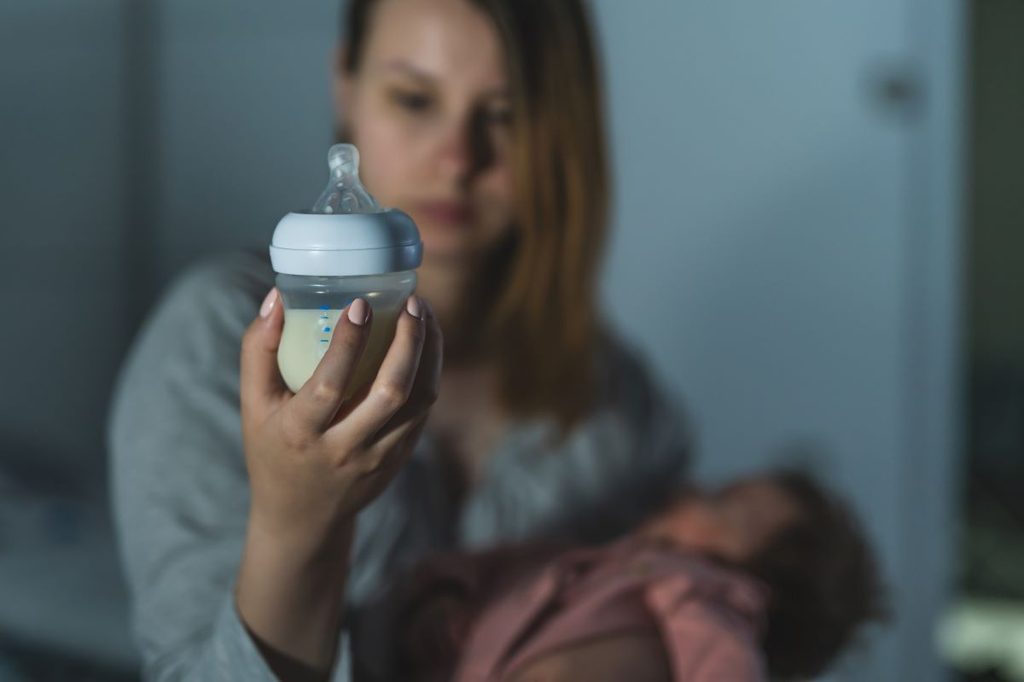
Mom looking at bottle to see if baby drank enough
Miljan Zivkovic / Shutterstock

It’s important to check the “use by” dates on all formulas you purchase and ensure you don’t use it after that date. Parents who supplement with formula may not use it a lot, so it’s important they know just how old their formula is. The CDC recommends using the formula within a month of opening the container.

Recommended Videos

We all know that as parents, you can get busy and may not always remember when you opened a container, so consider writing the date on the plastic lid with a marker to make it easier to keep track. Those of you who regularly formula feed are probably not worrying about having a container last longer than a month unless you keep extra supplies at places like grandparents’ houses or childcare providers. It’s important to keep track of use-by dates for all formula your baby drinks. You should also store the opened formula in a cool, dry place.

Prepared formula

Dad feeding his newborn with a bottle.
Anna Kraynova / Shutterstock

It can be frustrating to prepare your baby’s formula only to have them fall asleep or seem completely uninterested in eating. So what do you do with the bottle you’ve just made or if you’re using prepared infant formula? The CDC advises using any prepared infant formula within 2 hours of getting the bottle ready and 1 hour from when your baby starts eating, the CDC advises.

If your baby doesn’t drink from the bottle within those two hours, you can put that bottle in the fridge for up to 24 hours. However, if your baby starts drinking from the bottle but doesn’t finish, you should throw out any formula that remains within an hour. Because your baby has already drank from that bottle, they could introduce bacteria to the bottle. If you’ve heated a bottle for your baby to drink, you should use that bottle within an hour of it being heated, because a warm environment is also conducive to having bacteria grow.

It can be confusing trying to keep track of everything when it comes to feeding your baby, but once they have a routine, it will be easier to minimize waste and know just how much your baby wants to eat. You can always start by preparing smaller amounts and adding more if you’re worried about wasting expensive formula. Just remember these guidelines are here to keep your baby happy and healthy.

Kelli Catana
Former Author
Is your newborn eating too much? What to know about overfeeding
Cues to watch out for to let you know if you're overfeeding a newborn
Mother holding baby in nursery

Every parent knows the excitement and anxiety that comes when it's time to bring their baby home from the hospital for the first time. Besides the sleep schedule, many new parents may be worried about whether their infant is getting enough to eat. But is going the other direction something parents should also worry about? Is there such a thing as overfeeding a newborn? The short answer is yes. Overfeeding a newborn is a possibility, but it doesn't happen often.

Every newborn has differences in appetite where one might drink a bottle or breastfeed longer than another. Before you stress, don't worry. There are signs to be on the lookout for when it comes to giving your little one too much food. Whether it's your first or third child, if you are concerned about overfeeding your newborn, we have the information you need to know.
Why overfeeding a newborn is something you don't want to do

Read more
Recognizing early autism signs in toddlers: 6 things to know
Which toddler behaviors are quirky and which are red flags for autism?
Toddler boys playing a party game

The Centers for Disease Control and Prevention (CDC) has found that about 1 in every 36 children has been identified with autism spectrum disorder. If your child is on the spectrum, the initial diagnosis can be upsetting, but early intervention following a diagnosis is vital. The early signs of autism in toddlers, though, can be easy to overlook. If you have a child you think might be on the spectrum, it's best to know the early signs as your toddler develops.

There is a long list of possible signs as the autism spectrum is wide and diverse. One sign may appear in one child, but not in another. Certain early signs of autism are more common than others, which is why knowing the red flags is important. The earlier a child receives a diagnosis, the better the support system will be for them.
Understanding autism

Read more
Can you use a heating pad while pregnant? Here’s what you should know
Heat pads and pregnancy work together, just follow some precautions
Pregnant woman using heating pad hot water bottle

Pregnancy is an exciting time filled with awe and wonder, but it's also painful and uncomfortable. Experiencing all. the changes your body goes through as your baby grows is magical, but it's also kind of a pain. As pregnancy progresses throughout the trimesters, so, too, does the discomfort. From backaches to sore feet and sciatica to insomnia, pregnancy can be very hard on a person's body.
Often, a heating pad can provide some much-needed relief from those pregnancy-induced aches and pains, but many wonder if it's safe to use a heating pads while pregnant. Using heating pads during pregnancy can be an understandable concern.
Despite the relief they may give, many pregnant people are hesitant to use them out of fear the heat they produce may harm their baby. Fortunately, using a heating pad while pregnant can be very safe as long as you do so carefully and take proper precautions.

Why would you need a heating pad?

Read more