

As your child grows from infancy to toddlerhood and beyond, a lot of focus is put on their nutritional health. Parents ensure their children are eating the right foods to ensure they are growing, gaining weight, and hitting their physical milestones. But, as kids get older and become teens, their nutritional needs change from when they were younger. Teens can go through a variety of different phases where they never seem interested in eating at all, or they can’t seem to eat enough, leaving many parents to wonder how many calories should a teenager eat a day.
Just like every young child is different, so too are teens, which means their caloric needs are also different. This also means there’s no one answer as to how many calories a teen should eat in a day. Diet culture and disordered eating are also things parents need to be aware of when discussing a teen’s diet, especially if obesity or weight is an issue. Helping teens focus on healthy eating habits is the key to ensuring they are eating enough calories a day, as well as maintaining a healthy weight, and ensuring they are developing a good relationship with food.
How many calories should a teenager eat a day to lose weight?

Many factors can impact a teen’s weight, including diet, activity levels, and genetics. According to The Children’s Medical Group, 21% of teenagers in America are obese, and a sensible diet that focuses on gradual weight loss is the best method to ensure lasting weight loss success for teens.
How many calories a teen needs to eat depends on factors including activity level, whether the teen has hit puberty, and the teen’s age. According to the American Academy of Pediatrics, boys, in general, require an average of 2,800 calories per day, while girls require an average of 2,200 calories per day. The Children’s Medical Group notes that teens only need to limit their daily caloric intake by about 500 calories to see a weight loss of 1 to 2 pounds per week while those in puberty can reduce their calories by about half that and still see the same weight loss.
Why healthy eating is still important for teens

Once kids enter adolescence and their teenage years, it can be hard for parents to monitor their diet like they did when their children were younger. Teens can make their own choices when it comes to what and when they eat and may not always make the healthiest choices. Although everything is fine in moderation, it’s important that teens still make healthy choices when eating to ensure they’re consuming the right amount of nutrients to ensure they don’t experience any health complications like stunted growth, or delayed puberty.
Healthline notes that not only can bad food choices in the teen years carry on into adulthood, but “an inadequate diet can negatively affect mood, energy levels, and athletic and academic performance” during the teenage years.
Is 1,200 calories a day enough for a teenage girl?

The Academy of Nutrition and Dietetics notes that girls between the ages of 11 and 13 need between 1,800 to 2,200 calories per day, while those between the ages of 14 and 18 need 1,800 to 2,400 calories per day, so 1,200 calories a day really isn’t enough for a teenage girl.
Other factors to consider include whether the teenage girl is active in sports or other physical activities which would require even more calories per day. The focus for teenagers should be on educating them not only on how many calories they should be consuming but also on how to eat a balanced diet to make the most out of their food intake without being restrictive.
How many calories should a 14-year-old eat?

While your teen’s activity level and physical build will determine whether more or fewer calories are needed daily, Fueling Teens writes that on average, 14-year-old teenage girls need around 2,000 calories per day while 14-year-old males need an average of 2,400 calories per day.
Active teens may need even more calories each day, depending on their level of activity, while those who are taller with a larger build may also require more calories than a shorter and more slightly built peer.
Should teens count calories?

It can be difficult to be overweight or underweight as a teen, but focusing more on healthy eating versus counting calories is a better way to ensure your teen remains healthy. Katherine Harmer, a registered dietitian nutritionist writes that she doesn’t recommend teens count calories as it can lead to obsessively focusing too much on food and quantities.
Instead, the focus should be on educating teens about making proper food choices, including portion sizes, and allowing them to develop a healthy relationship with food.
What are the signs of disordered eating?
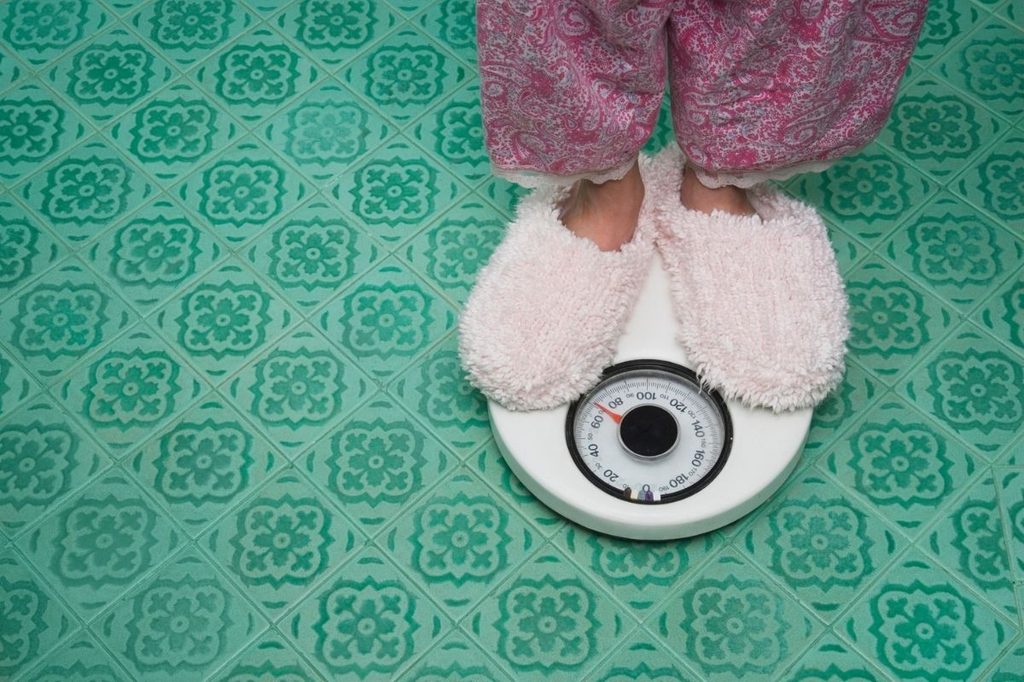
Diet culture has a huge impact on teens with about 1 in every 2 teenage girls and 1 in every 4 teenage boys trying dieting to change the shape of their bodies, while more than 1 in 3 girls who are at a healthy weight still try to diet.
Disordered eating is defined by WebMD as “psychological disorders that involve extreme disturbances in eating behavior.” Unfortunately, disordered eating is more common than parents may think, but there are some signs they can watch for, including:
- Distorted body image
- Skipping most meals
- Unusual eating habits (such as eating thousands of calories at one meal or skipping meals)
- Frequent weighing
- Extreme weight change
- Insomnia
- Constipation
- Skin rash or dry skin
- Dental cavities
- Erosion of tooth enamel
- Loss of hair or nail quality
- Hyperactivity and high interest in exercise
If you suspect your teen may have an eating disorder, talk openly about it and reassure your teen that you are there for support. If necessary, contact your family doctor and know there are many treatments — both physical and mental — that can help.
How micronutrient deficiency can impact your teen’s health

Your teen must be eating a balanced diet, including micronutrients like certain vitamins and minerals. Micronutrient deficiencies can have a significant impact on a teen’s health, as this stage requires essential vitamins and minerals for proper growth and development. Lacking key nutrients such as iron, calcium, vitamin D, and zinc can lead to serious health issues, including anemia, fatigue, poor concentration, and weakened immunity.
A lack of calcium and vitamin D can weaken bones, increasing the risk of fractures. Deficiencies in B vitamins can affect mood, energy levels, and brain function. Since teens experience rapid physical and cognitive changes, ensuring they receive adequate micronutrients through a balanced diet is crucial for their overall well-being and long-term health.
How to teach healthy food choices

It’s hard to monitor what your teen is eating because as your kids get older, they often become responsible for feeding themselves and making their own choices when it comes to meals and snacks. Parents can help their teens make healthy food choices by educating their teenagers on the importance of eating a balanced diet and listening to their bodies for hunger cues.
Nemours KidsHealth also suggests that parents model the kind of behavior around food they want their teens to emulate. If you eat a healthy and balanced diet while occasionally indulging in fewer nutrition options, you’re showing your kids that you can eat healthfully without feeling deprived. Don’t restrict food or use food as a bribery tactic, as that can create an unhealthy relationship with food as your child gets older.
The teenage years are the perfect time to teach kids about moderation and how to create balance in their diet. Educating them on the importance of eating well and staying active doesn’t mean they can’t occasionally enjoy fast food or junk food. Allowing them to understand how food helps fuel their body and the importance of ensuring they are eating adequate calories every day can help them make their own educated decisions as they grow into adults.