
  1. Home
  2. Stages
  3. Evergreens

How to burp a baby: The do’s and don’ts to know

Burping your baby made easy with these easy tips

Add as a preferred source on Google
dad-bonding-with-baby
Flavia Morlachetti / Getty Images

How to burp a baby isn’t always second nature to new parents. Some say it’s an actual talent to gently coax that burp from a little one after feeding before it leads to discomfort, but it’s not that complicated. Once you learn a position that works well for your baby it shouldn’t be difficult to burp them with ease, but there are do’s and don’ts to burping that can help you have success every time.

Why burping is important
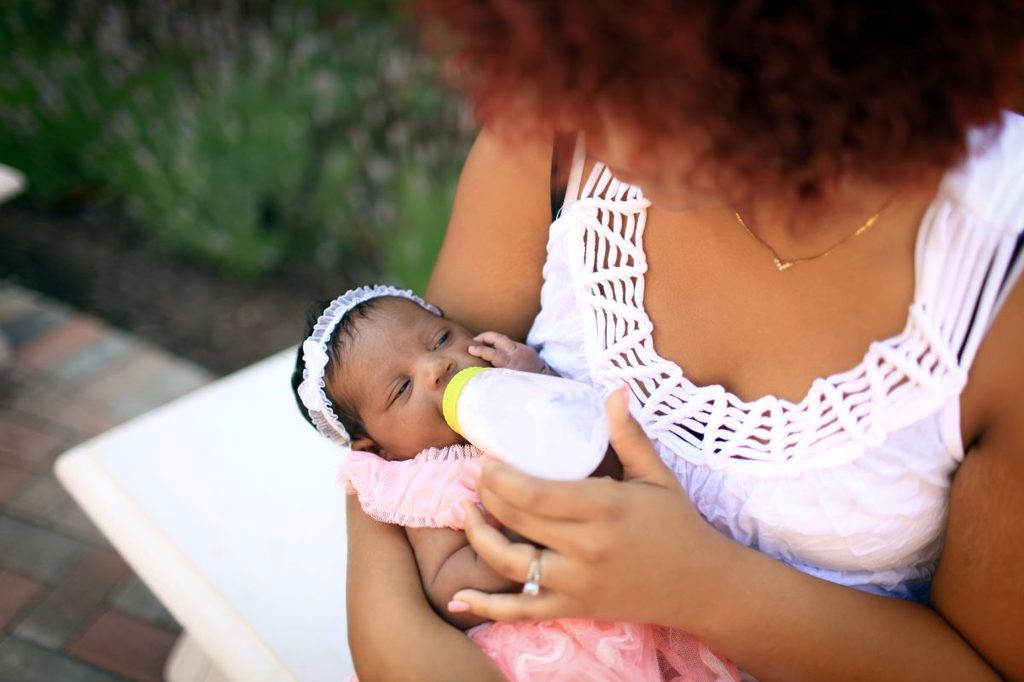
Mom feeding her baby outside
Barbara Sauder / Shutterstock

When babies eat, they will often swallow air that can cause painful air bubbles in their tiny stomachs, as well as make them feel full, faster. Most adults know the discomfort that comes when they’re feeling gassy, and babies experience the same discomfort, but they aren’t able to get rid of that gas on their own.

Recommended Videos

Burping your baby helps them to get rid of that gas and alleviate the pain and cramping that goes along with it. It also allows your baby to eat more because the gas can often make them feel full and less interested in eating.

Choose your position

mom holding and burping baby
Chris Anderson / Unsplash

Generally, three positions work well when burping a baby: holding them over the shoulder like pictured above, having them sit on your lap, or having the baby lay across your lap, on their belly. When holding the baby over your shoulder, make sure you’re supporting their head and body and that they’re comfortable.

If you hold them on your lap, have them lean slightly forward as you gently cradle their chin with your hand, and if they’re laying across your lap, make sure their head is slightly higher than their body. With all three positions, you then gently pat your baby’s back until they burp.

You may want to try each position to see which one your baby prefers. If you choose to burp your baby with them sitting on your lap, make sure you’re holding them just under their chin and not near their neck.

How often should you burp baby?

Mom breastfeeding newborn in bed
Nina Buday / Shutterstock

Once you start to get to know your baby, you will learn their cues about when they need to be burped, but until then, experts suggest burping a bottle-fed baby after 2 to 3 ounces of formula, or before you switch breasts, if you’re breastfeeding. If your baby won’t burp, try changing positions to see if that helps.

Some babies need to be burped more than others, depending on how much air they intake as they eat. Breastfed babies often take in less air than those who are fed with formula. Signs of discomfort from gas are pulling their legs up and fussiness.

What not to do when burping a baby

Mother comforting a crying baby
Monkey Business Images / Shutterstock

Even new parents will get the hang of burping their baby fairly quickly, but there are a few things to be mindful of to be successful. Firstly, you should always ensure you’re holding your baby properly. When burping your baby over your shoulder, you want to ensure that you’re holding them high enough. Their entire head should be over your shoulder, so their belly is resting on your shoulder. Don’t get frustrated if your baby won’t burb, instead, change their position, and if that doesn’t work, try gently massaging their belly and moving their legs up and down in a bicycling motion.

There are no rules when it comes to burping, so if you feel your baby may be suffering from a bit of gas, take a break to burp them and see if that helps.


Kelli Catana
Former Author
How much water should a 1-year-old drink daily?
Here's how to keep your little human hydrated
Toddler drinking glass of water

Every adult knows the importance of drinking 8 glasses of water a day, but how much water should a 1-year-old drink? As you transition your child to eating solid foods, it's time to introduce enough liquids to balance their diet. Milk is likely still a huge part of your child's daily diet, and they are most likely drinking it more than water. Although milk is important for toddlers to drink to help with the development of their bones and teeth, they must also drink water. If you're wondering how much water a 1-year-old should drink, here's what you need to know.
How much water should a 1-year-old drink?

According to the American Academy of Pediatrics (AAP), 1-year-olds should drink 1 to 4 cups (8 to 32 ounces) of water per day and 2 to 3 cups (16 to 24 ounces) per day of whole milk.

Read more
Teething baby not eating? Try these 7 simple solutions
Help your teething baby stay fed with these tips
Baby eating pumpkin

Nothing can turn a happy baby into a cranky one quite like teething. Although it's exciting to know that your little one will soon be ready to try more textures and different foods with their new teeth, making mealtime more fun, it also means a painful experience for your baby. And, while your baby will eventually be able to try lots of new foods with their new teeth, your teething baby not eating is a temporary reality because their mouth is just too sore.

It's upsetting to see babies uncomfortable and in pain when cutting new teeth. The good news is that there are ways to help your baby through the teething process while encouraging your teething baby to eat. Once you establish that teething is the cause of a baby's refusal to eat, either by a pediatric visit or feeling that shark tooth jutting out, there are some tried-and-trusted strategies to help keep them nourished. What should you do when your teething baby isn't eating as much as they normally do? Here are some ways to help.
Teething baby not eating? Here are some solutions

Read more
How to clear a toddler’s blocked nose for better sleep
Sleep better with these stuffy nose tricks for your toddler
Toddler girl sleeping with plush bear

Dealing with a toddler with a blocked nose is never fun. Toddlers tend to be magnets for germs, which can lead to those awful stuffy noses, meaning sleepless nights for everyone.  If your toddler has a blocked nose at night, we know you both need relief. Fortunately, we can help you all get some sleep and help your little one breathe easier. We'll explain home remedies for a toddler's blocked nose and also when to worry about whether your little one can breathe while trying to sleep.
My toddler has a blocked nose at night: How can I help?

The best ways to deal with a stuffy nose take a bit longer, so deal with them during the day instead of waiting til the middle of the night. Prevention is key to not having to wake up in the middle of the night, though there are still remedies that work quickly if needed.

Read more