  1. Home
  2. Stages
  3. Evergreens

Is public or private preschool right for your child?

Find out what kind of preschool will best fit your child's needs

Add as a preferred source on Google

If your child is ready for preschool, you’ll have to decide if public school vs. private school is right for them. Which one you choose depends on a number of factors, including cost, schedule, parenting style, and location. We’ll take you through which questions to ask yourself when making this decision for your little one and yourself.

Preschool teacher talking with students at a table
Monkey Business Images / Shutterstock

Public preschool

Public preschool is a popular option for parents as a go-to choice that is in town, near where they live. Kids are able to continue there as they grow to attend kindergarten and beyond at the same school. This not only gives them a sense of routine — getting to know the building, playground, drop-off and pickup system, staff, and cafeteria, but it also helps them make and keep friends they’ll have year after year.

Recommended Videos

The local public school sometimes offers free preschool, but other times it has a price associated with it. In most cases, the public option costs (much) less than a private option, even if it does cost money.

The school hours may only be a half day or a shorter day without after-school care available with the public option, and class sizes may be larger than some private schools.
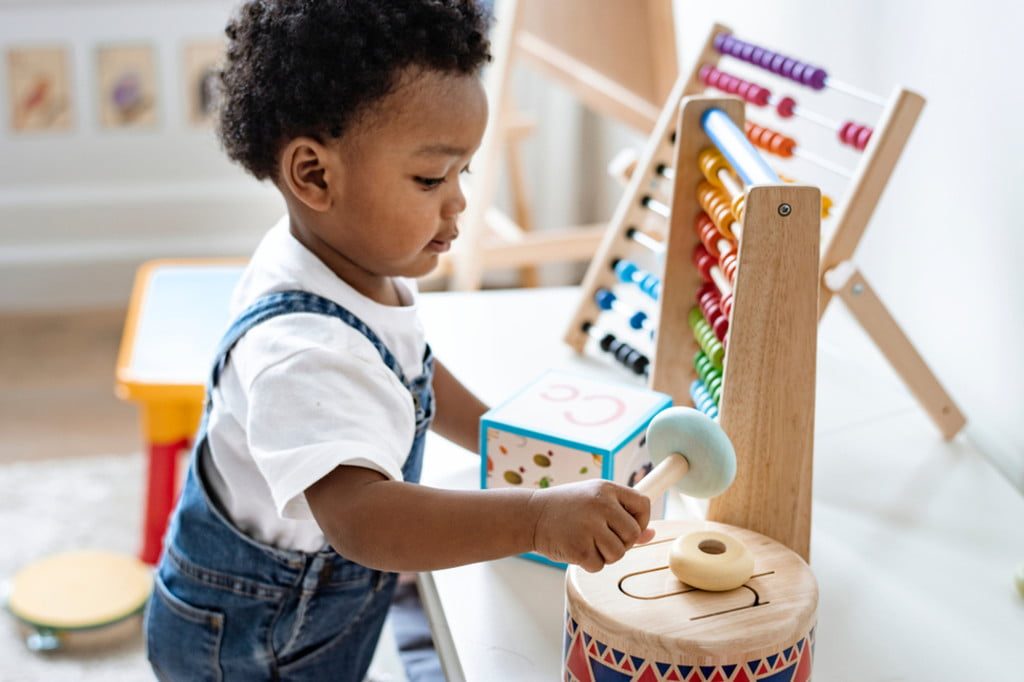
Child with abacus
Rawpixel.com / Shutterstock

Private preschool

You may want to get one or two years of a different type of education or have unique needs for school hours before the transition to public school, or you may not be planning on public school for the elementary age at all.

There are many options for private preschool. A Montessori school emphasizes independence. A coop has parents pitch in with the learning. A day care has longer hours available and may have less of a curriculum. Some independent schools may offer outdoor learning or other unique offerings.

Your preschooler may not be ready for prep school or boarding school yet. But some private preschools may give your child a little extra attention with a lower staff-to-child ratio. You may also have the benefit of a newer facility or other perks from the school that you get to choose instead of the one districted school you’re automatically assigned.
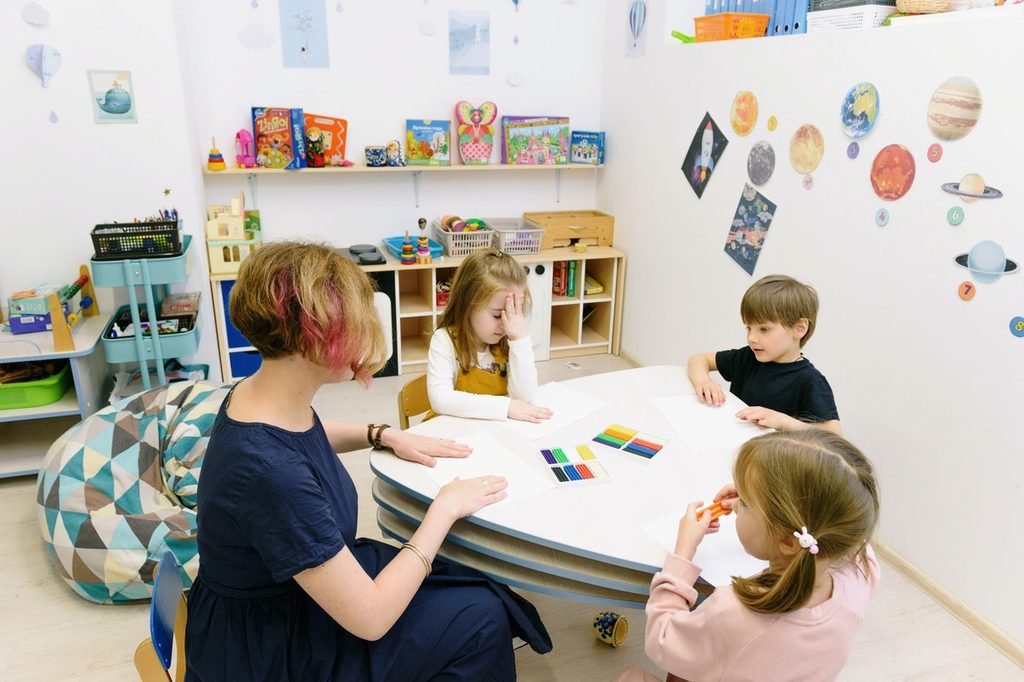
Teacher sitting at a table with preschool students
Image used with permission by copyright holder

Public preschool vs. private preschool

Your choice simply depends on what will be the best fit with your needs, budget, and child’s personality… and which school has availability. What fits with your parenting philosophy and goals? If you think the Montessori method is right for your child, consider getting your child the foundation of one to two years of Montessori before elementary school. If you’re concerned about transitioning from a different preschool to a public elementary school, go ahead and start out at the public preschool. Budget, driving distance, and work schedule may make your choice for you.

As long as your child is safe, happy, and learning, you can’t go wrong!

Sarah Prager
Former Contributor
How much water should a 1-year-old drink daily?
Here's how to keep your little human hydrated
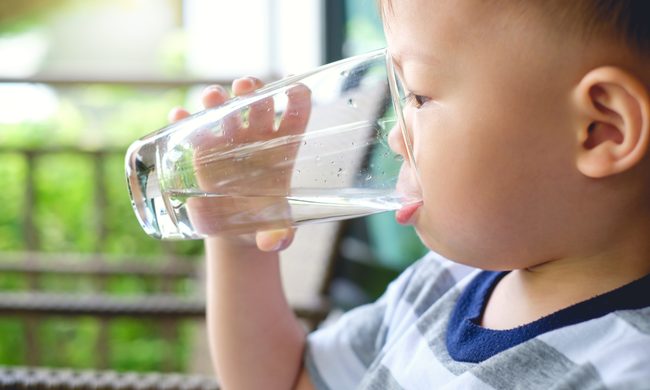
Toddler drinking glass of water

Every adult knows the importance of drinking 8 glasses of water a day, but how much water should a 1-year-old drink? As you transition your child to eating solid foods, it's time to introduce enough liquids to balance their diet. Milk is likely still a huge part of your child's daily diet, and they are most likely drinking it more than water. Although milk is important for toddlers to drink to help with the development of their bones and teeth, they must also drink water. If you're wondering how much water a 1-year-old should drink, here's what you need to know.
How much water should a 1-year-old drink?

According to the American Academy of Pediatrics (AAP), 1-year-olds should drink 1 to 4 cups (8 to 32 ounces) of water per day and 2 to 3 cups (16 to 24 ounces) per day of whole milk.

Read more
Teething baby not eating? Try these 7 simple solutions
Help your teething baby stay fed with these tips
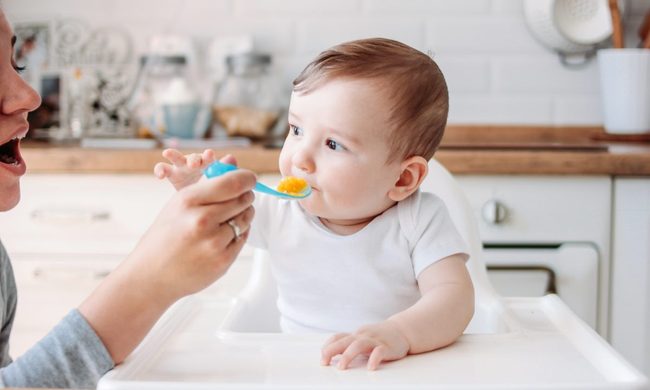
Baby eating pumpkin

Nothing can turn a happy baby into a cranky one quite like teething. Although it's exciting to know that your little one will soon be ready to try more textures and different foods with their new teeth, making mealtime more fun, it also means a painful experience for your baby. And, while your baby will eventually be able to try lots of new foods with their new teeth, your teething baby not eating is a temporary reality because their mouth is just too sore.

It's upsetting to see babies uncomfortable and in pain when cutting new teeth. The good news is that there are ways to help your baby through the teething process while encouraging your teething baby to eat. Once you establish that teething is the cause of a baby's refusal to eat, either by a pediatric visit or feeling that shark tooth jutting out, there are some tried-and-trusted strategies to help keep them nourished. What should you do when your teething baby isn't eating as much as they normally do? Here are some ways to help.
Teething baby not eating? Here are some solutions

Read more
How to clear a toddler’s blocked nose for better sleep
Sleep better with these stuffy nose tricks for your toddler
Toddler girl sleeping with plush bear

Dealing with a toddler with a blocked nose is never fun. Toddlers tend to be magnets for germs, which can lead to those awful stuffy noses, meaning sleepless nights for everyone.  If your toddler has a blocked nose at night, we know you both need relief. Fortunately, we can help you all get some sleep and help your little one breathe easier. We'll explain home remedies for a toddler's blocked nose and also when to worry about whether your little one can breathe while trying to sleep.
My toddler has a blocked nose at night: How can I help?

The best ways to deal with a stuffy nose take a bit longer, so deal with them during the day instead of waiting til the middle of the night. Prevention is key to not having to wake up in the middle of the night, though there are still remedies that work quickly if needed.

Read more