
It may not seem like it in the moment, but when your toddler cries, they aren’t only trying to get you to cry along with them. They just don’t have another way of expressing their emotions quite yet. In fact, research shows that tears help them cope with big feelings they have no idea how to deal with. While crying it out is a perfectly normal way to process emotions, let’s go over some common reasons your toddler cries all of the time.
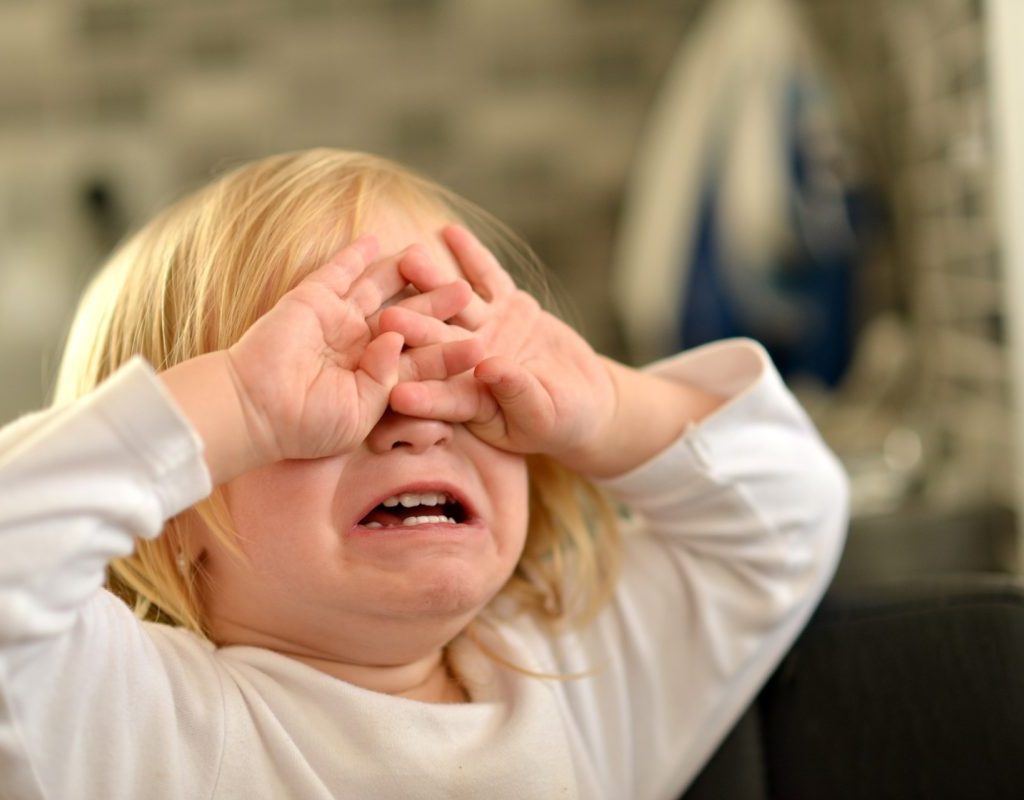
Their emotional intelligence isn’t fully developed yet
Toddlers are notorious for having larger-than-life reactions to seemingly minute inconveniences. But everything they’re feeling is valid, and to them it could feel like the end of the world. Think about it from their point of view. They’re experiencing everything for the first time, so if they feel scared, crying it out is what they do when they don’t know how else to react.
Little ones haven’t mastered the art of processing emotions. Frankly, we’re not sure if we ever get it down as adults, either. But in time, toddlers will learn how to cope with their feelings and react more appropriately than always bursting into tears every time.
Frustration and stress are difficult to express as adults, let alone as a toddler. Be patient, empathetic, and sensitive toward your little one. As long as they feel safe expressing their full range of emotions around you, they’ll learn to cope in other ways eventually.
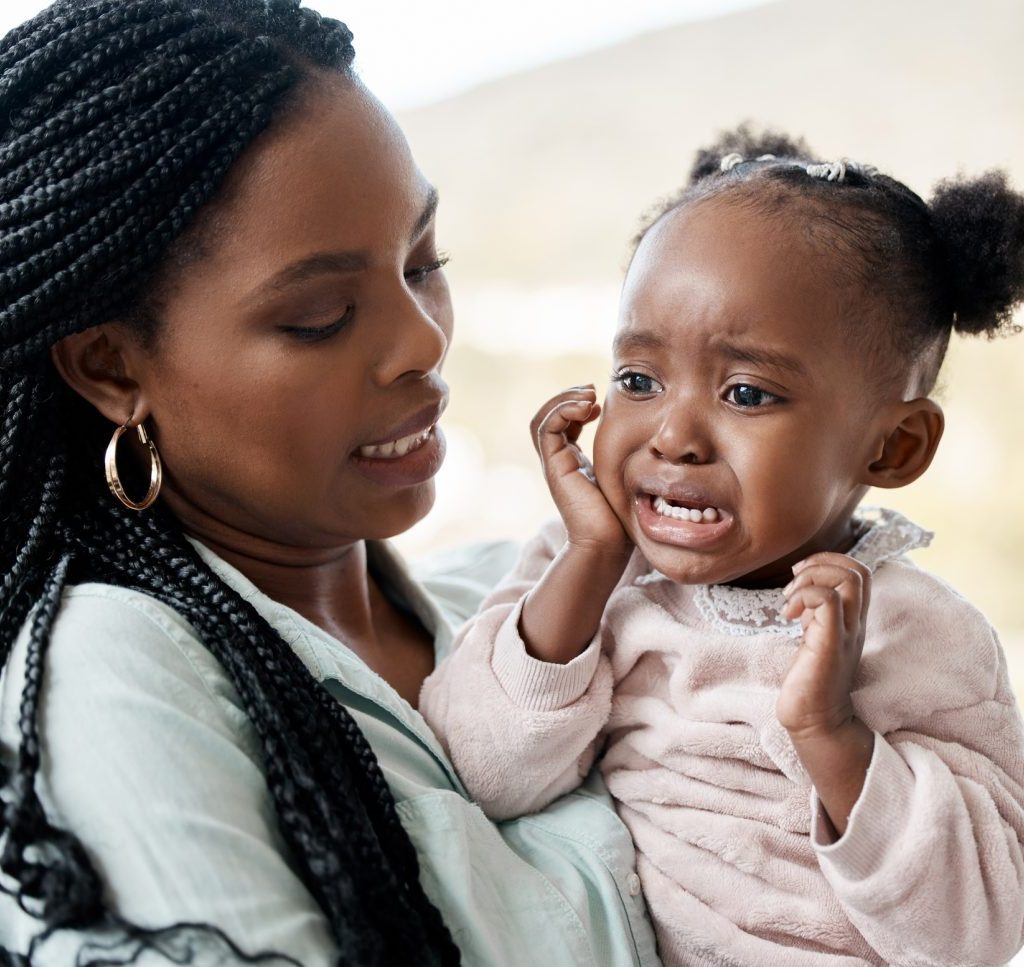
They don’t have enough words to express their feelings
Most toddlers don’t have the actual words to express how they feel. When we demand toddlers to use their words instead of sobbing, we may be asking too much. Instead, acknowledge what they are feeling and help them learn the correct vocabulary for emotions.
For instance, when the tears start falling you might say, “I see you’re crying because you’re sad that we have to leave the park now. I understand, but we have to leave because it’s getting dark, and we need to get home for dinner.”
We’ve all been the object of other parent’s scrutiny. Having the whole park watching your toddler cry and flail around as you try to scoop them up under the armpits so you can leave ASAP is never fun. However, teaching your little one useful emotional vocabulary to use instead will help them turn to other outlets besides crying in the future.

They’re teething
Teething is an especially painful process during the toddler years. Getting those back molars and canines is not a joke. Children experience uncomfortable symptoms like a low-grade fever, drooling, and a reduced appetite. These side effects can make anyone irritable, so forgive your toddler if they cry a little more than usual while cutting these teeth.
Offer soothing remedies like cold towels to chew on, teething rings to reduce gum pain, and plenty of toys to distract from discomfort. In most cases, they’ll be extra sensitive and cry when you leave their side, even for a little bit. Be prepared for bumpy days!
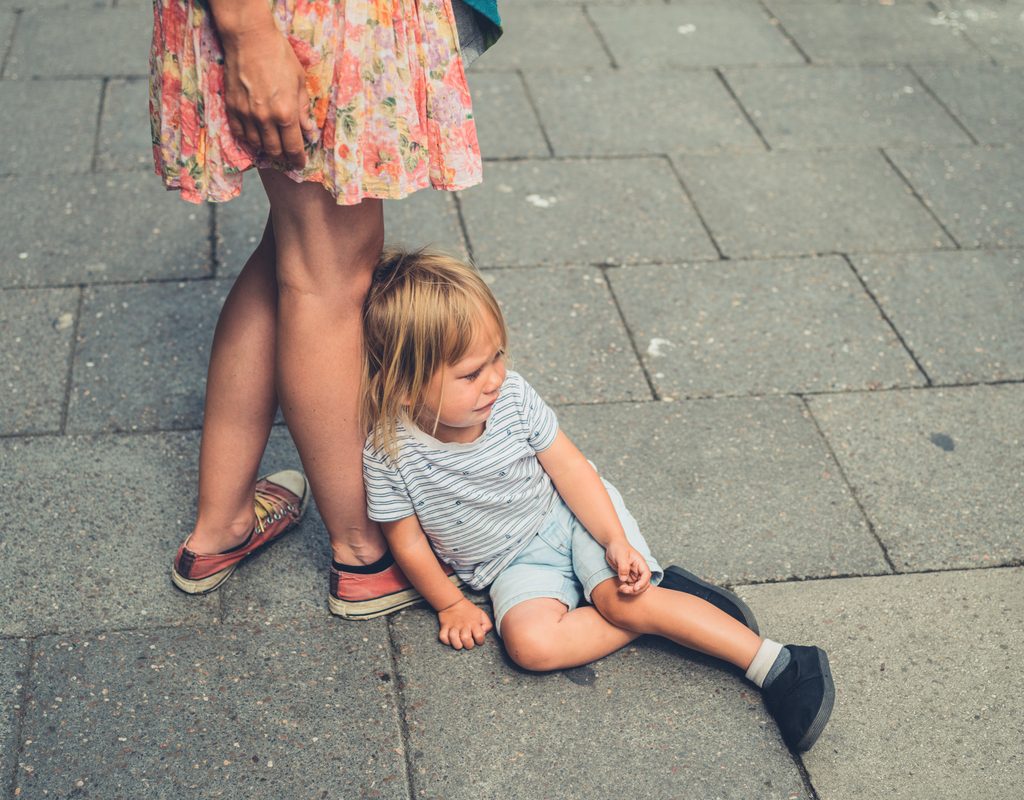
They’re tired or overtired
Big emotional releases are often a result of tired or overtired toddlers. If they skip naptime or wake up earlier than usual, their whole mood can get thrown into disarray. The trick is to stick with a regular sleep and nap routine as much as possible, even when you’re traveling or going out for the day.
Look out for signs of overtiredness like rubbing their eyes or ears, getting snappy, or crying abruptly. You want to reduce stimulation around them to slowly wind them down. This will gently ease any prickly mood they might have brewing.
If you’re home, turn off any electronics or loud gadgets, slowly put away their toys, put on any sleep-sound machines, and darken the room if possible. If you’re out, keep them in their stroller or car seat and pull down the sun cover. Odds are that your little one wants to sleep but doesn’t know how to settle down on their own. Talk calmly and gently even if they start crying more intensely.
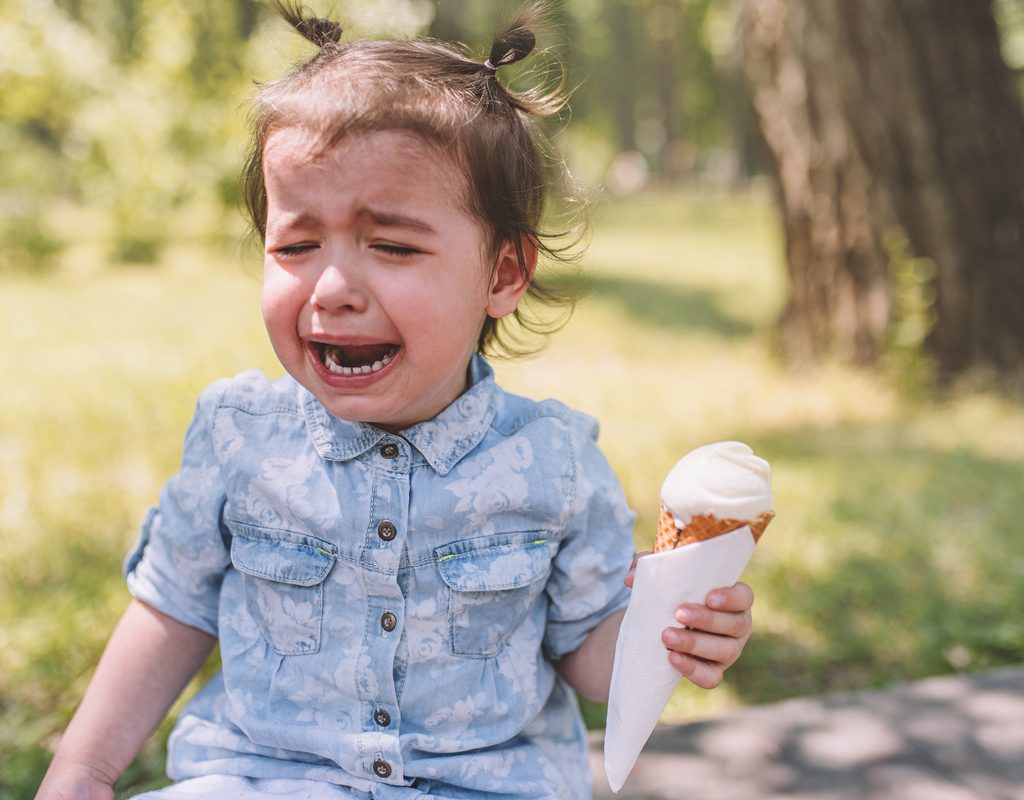
They feel overwhelmed
Similarly, toddlers can easily feel overwhelmed whether they’re playing at home or somewhere new. Tiredness and hunger can increase overstimulation, so keep a careful watch on your little one if you’re at a new friend’s house or around lots of unfamiliar faces. Stay by their side to keep them more relaxed. Knowing you’re there in case they need you can be the reassurance they need to keep calm.
Other things can trigger your little one, like frustration over a new toy, your tone of voice, new household changes, and new life experiences. Help their feelings stay more even by anticipating situations where they might feel overwhelmed and preparing your reaction in case they do cry.
Wanting to know why toddlers cry is a question that will pop up daily. More often than not, your toddler is just doing their best to deal with emotions the only way they know how. And crying happens to be the only tool they have. But tears do reduce stress and help toddlers manage emotions. Same with adults, right? So, give your toddler a hug, use comforting words, a soft tone, and let them cry while they are at this stage. If you need to join in with them, we won’t judge.