
As children grow from babyhood to toddlerhood, a lot of things change, including how, what, and when they eat! It’s an exciting time introducing your toddler to new foods, textures, and flavors, but they can also be a picky bunch. If we left it up to toddlers to create their own feeding schedule, they’d probably munch on Goldfish crackers, string cheese, and not much else.
A toddler’s feeding schedule is important because not only does it help keep the growing little one from getting “hangry,” but it also helps ensure they’re getting the nutrients they need for their physical and mental development. Keeping toddlers on any kind of schedule isn’t always easy, but having a toddler feeding schedule is a great way to keep your little one happy and healthy. Of course, every child is different, but here are some easy ways to create a toddler feeding schedule that will work for your family.

Why a toddler’s feeding schedule is important
It may seem like a lot of work to have a toddler feeding schedule, but it’s actually an important way to ensure your child is getting the nutrients needed to fuel her or his growing body. As The Nourished Child writes, a feeding schedule helps children regulate their appetite and understand when they’re truly hungry and not just bored or simply want to eat because they see someone else eating. “Developing a schedule for meals and snacks helps your child get the variety of nutrients she needs in her diet on a daily basis (40 different ones!).” It can also be the basis of a healthy relationship with food and understanding her body and hunger cues, which will help her as she grows older.

Where to start
Just like how not all toddlers wake or go to sleep at the same time, not all toddlers will share the same feeding schedule. This is something that will differ depending on the child, but there are some great general guidelines for creating a toddler feeding schedule that works for you. What To Expect states that most toddlers between the ages of 1 and 3 eat three meals per day, and two to three snacks. Those meals and snacks are often spaced about 2 to 3 hours apart to provide energy and nutrition and keep your little one active throughout the day.

Schedule meals and snacks
Regardless of what time your child wakes, naps, or goes to bed, having a regular schedule for meal and snack times will help him stay on track. Plan your meal times based on your child’s schedule, and try to remain as consistent as possible. This may require a bit of extra planning if you’re headed out for the day, but you can always help yourself and your child stay on schedule by packing healthy snacks on the go. Allowing your child to eat on a schedule will help keep them happy and nourished and will help you avoid any meltdowns due to hunger.

Meal plan
Devising a meal plan for your toddler may seem excessive, but it can be a real help in keeping a feeding schedule and ensuring your toddler is happy. Parents suggest planning a day or two in advance if crafting a weekly meal plan seems like a lot. The meals definitely don’t have to be elaborate, but they should be balanced and nutritious. Planning in advance ensures you have foods your toddler enjoys and are healthy for them. Having snacks ready, like cut-up fruit, yogurt, or whole-grain crackers you can grab on the go can also ensure you can keep your schedule even if you’re not at home.
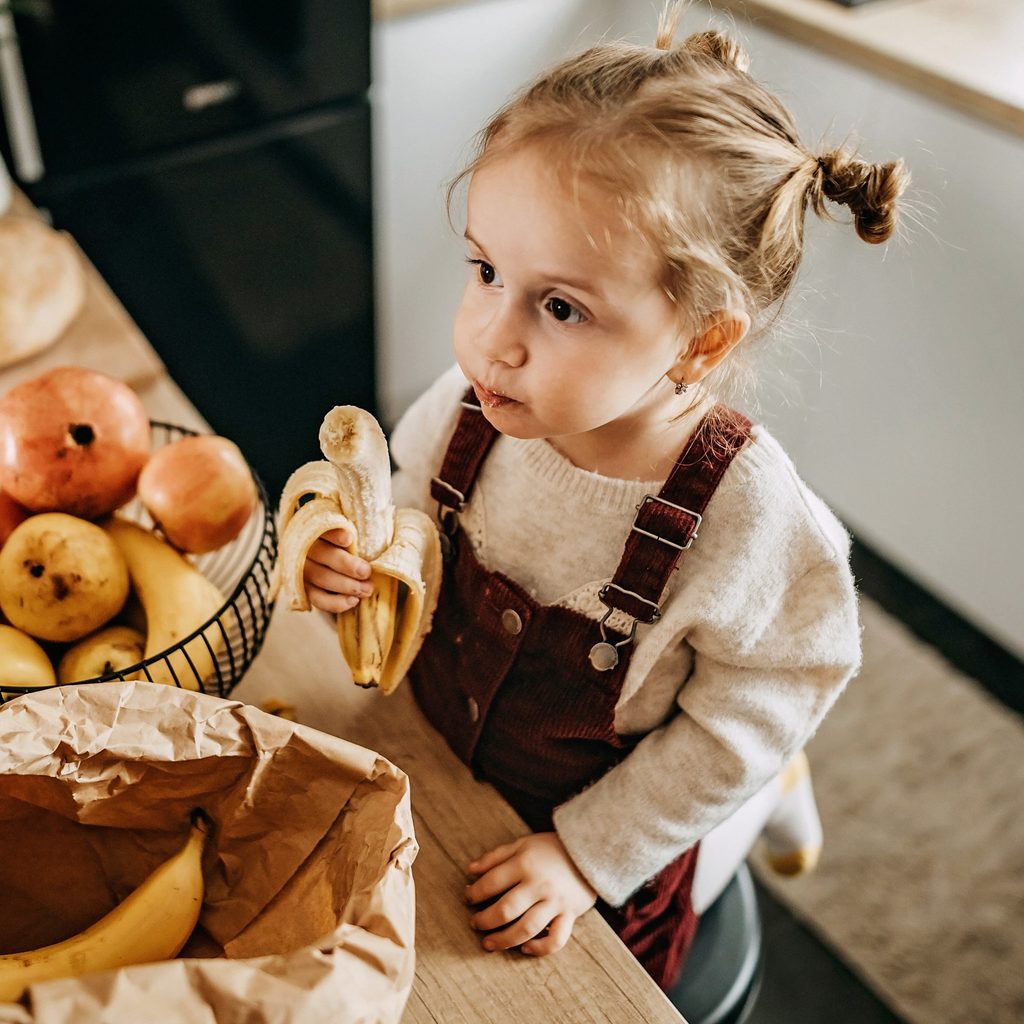
Why toddlers need to feel hungry
It can be really tempting to always have Cheerios or Goldfish or some other snack food on hand for when your toddler is looking for a snack, but constantly allowing your little one to graze isn’t always a good idea. Kids Eat in Color warns that allowing toddlers to constantly graze may actually cause them to lose their “sense of hunger.” They warn that when toddlers aren’t allowed to get hungry, they start to become picky.
Having a regular toddler feeding schedule allows your toddler to be hungry when mealtime arrives, so they are more interested in eating. They also suggest standing firm if your child throws a tantrum because you won’t give them a snack when they demand it. Obviously, you need to ensure they are eating enough during regularly scheduled meal and snack times, but if your child is asking for a snack out of habit and not hunger, it’s best to keep them on their schedule.
Toddlers have a constantly changing appetite, so it’s important to have a feeding schedule that also gives parents the opportunity to introduce new foods and have the toddler be interested in trying them. Children really do thrive on routine, so serving three meals and 2 to 3 snacks at 2 to 3-hour intervals during the day is a great way to ensure your toddler is eating a well-balanced diet while helping them form a good relationship with food as they grow older.