
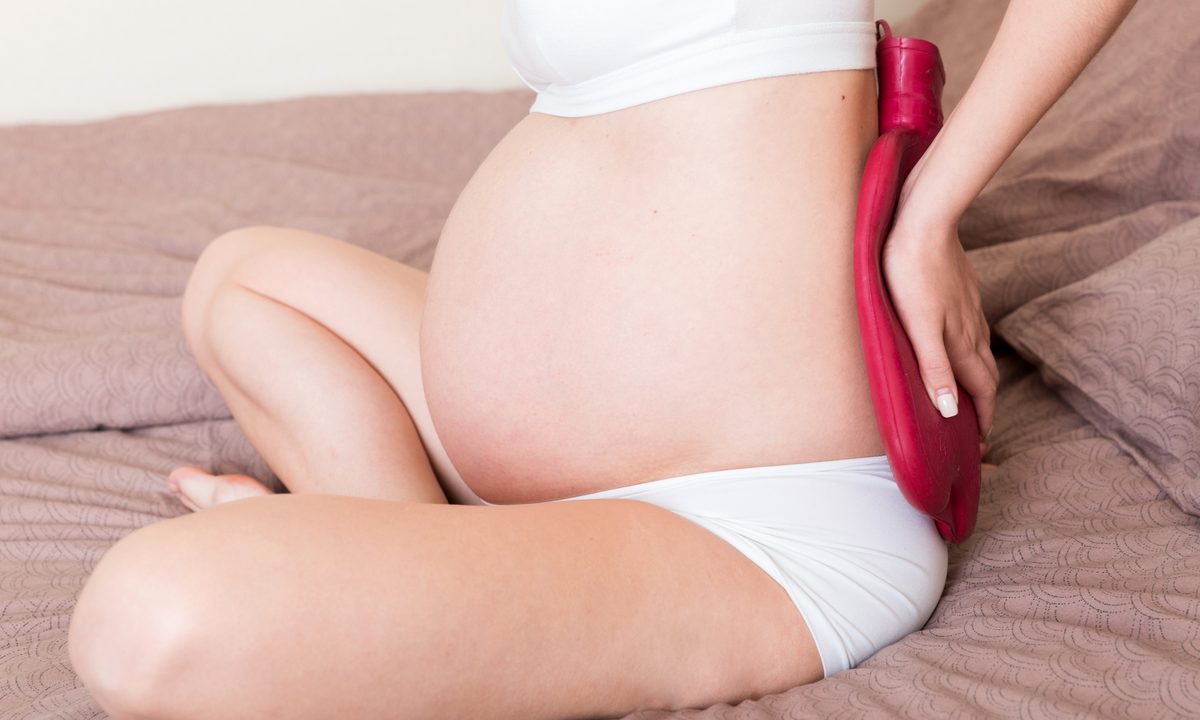
Pregnancy is an exciting time filled with awe and wonder, but it’s also painful and uncomfortable. Experiencing all. the changes your body goes through as your baby grows is magical, but it’s also kind of a pain. As pregnancy progresses throughout the trimesters, so, too, does the discomfort. From backaches to sore feet and sciatica to insomnia, pregnancy can be very hard on a person’s body.
Often, a heating pad can provide some much-needed relief from those pregnancy-induced aches and pains, but many wonder if it’s safe to use a heating pads while pregnant. Using heating pads during pregnancy can be an understandable concern.
Despite the relief they may give, many pregnant people are hesitant to use them out of fear the heat they produce may harm their baby. Fortunately, using a heating pad while pregnant can be very safe as long as you do so carefully and take proper precautions.
Why would you need a heating pad?
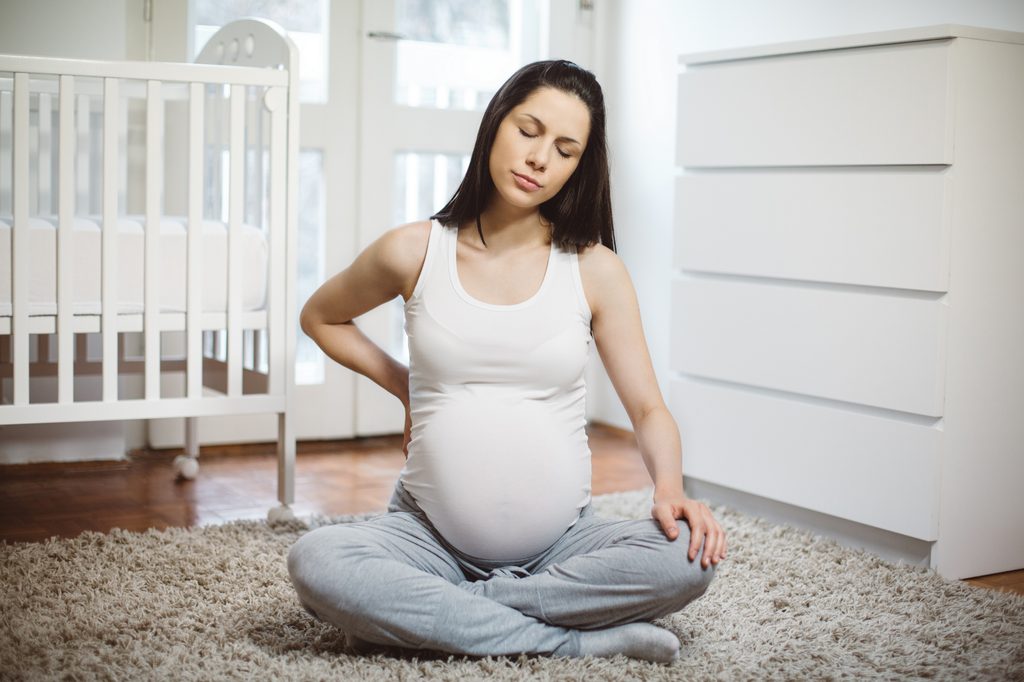
During pregnancy, there is a lot of stress on a person’s body. As the belly grows, so does the strain on the back, legs, and feet. Using a heating pad is an economical and convenient way to provide some relief from some of those annoying aches that many who are pregnant suffer through. There are, however, a few precautions one should follow to safely use a heating pad while pregnant.
Is it safe to use a heating pad while pregnant?
The short answer to this question is yes, it’s safe to use a heating pad while pregnant as long as you follow some guidelines. Many women are concerned about using any kind of heat while they’re expecting because of the fear of raising their internal body temperature. Most women know they should avoid hot tubs and saunas for more than 10 minutes at a time, especially in their first trimester, because of the risk of increasing the body’s core temperature. Increased body temperature can pose a threat to the health of the baby, and in some cases, increase the risk of miscarriage. Heating pads, when used safely, pose no risk of increasing a woman’s internal body temperature.
Nurse-midwife Shawna Pochan told The Bump that if using a heating pad while pregnant, make sure the temperature is set below 100 degrees F and is used just for short periods of time. “I’d suggest using a heating pad during pregnancy for no more than 10 to 15 minutes, and take the normal precautions: Don’t fall asleep with it on, and make sure the wiring is safe,” she said.
What kind of heating pad to use
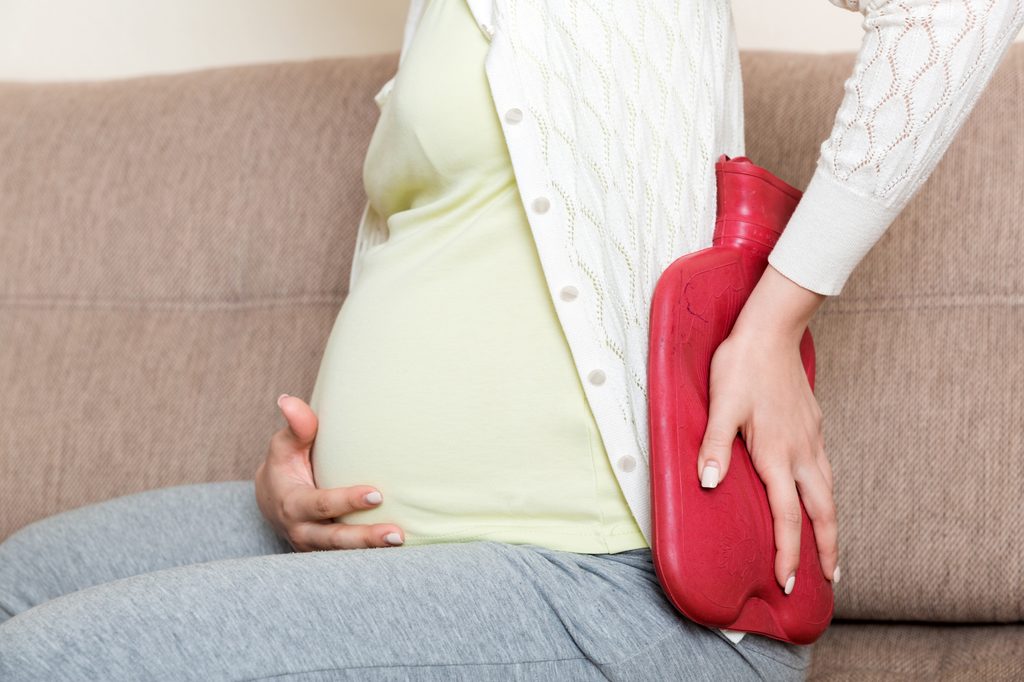
Electric heating pads are safe to use during pregnancy, but chemical heating pads that attach directly to a person’s skin are not recommended, warns some experts. The reason for this is that there’s no way to tell how these pads will react to a pregnant person’s skin. Pregnancy causes hormone fluctuations and many changes in the body, so there’s no telling if a chemical heating pad may cause a skin reaction. It’s safest to stick with traditional heating pads or hot water bottles for pain relief.
Heating pads are an economical solution
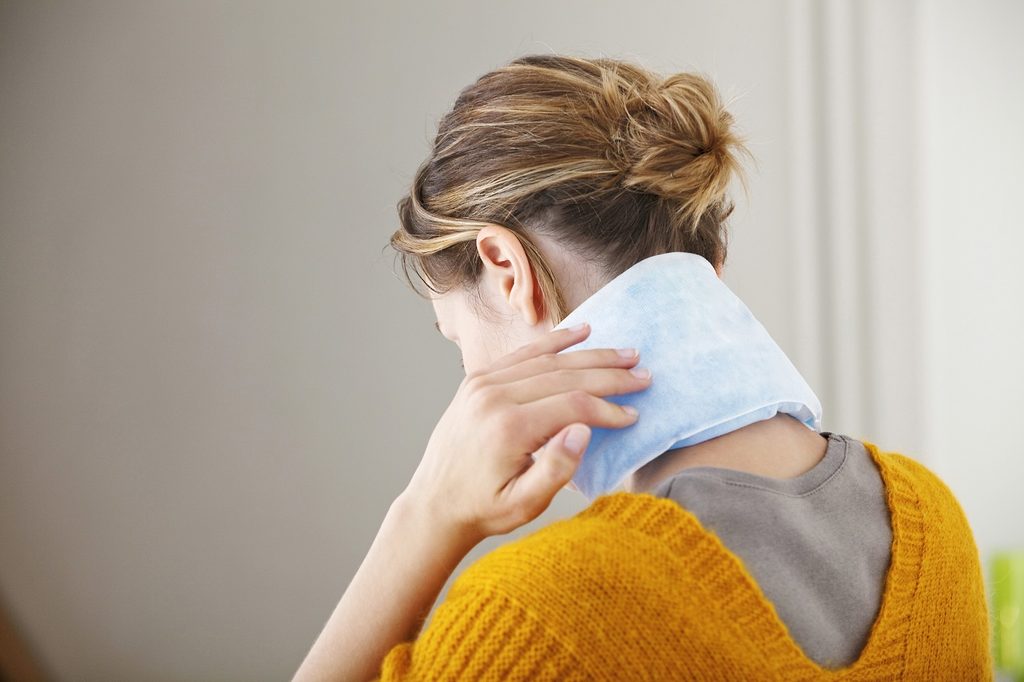
Heating pads are not only safe for pregnant women but they’re also an economical solution for all those pregnancy aches and pains. Not everyone can afford to see a massage therapist when their back or feet are sore, which makes heating pads a great option. Heating pads come in a variety of sizes and shapes and can run you as little as $15. The average price for a heating pad on sites like Amazon is between $25 and $60 — and the nice thing about them is they aren’t limited to simply being used during pregnancy.
Where can I use a heating pad?
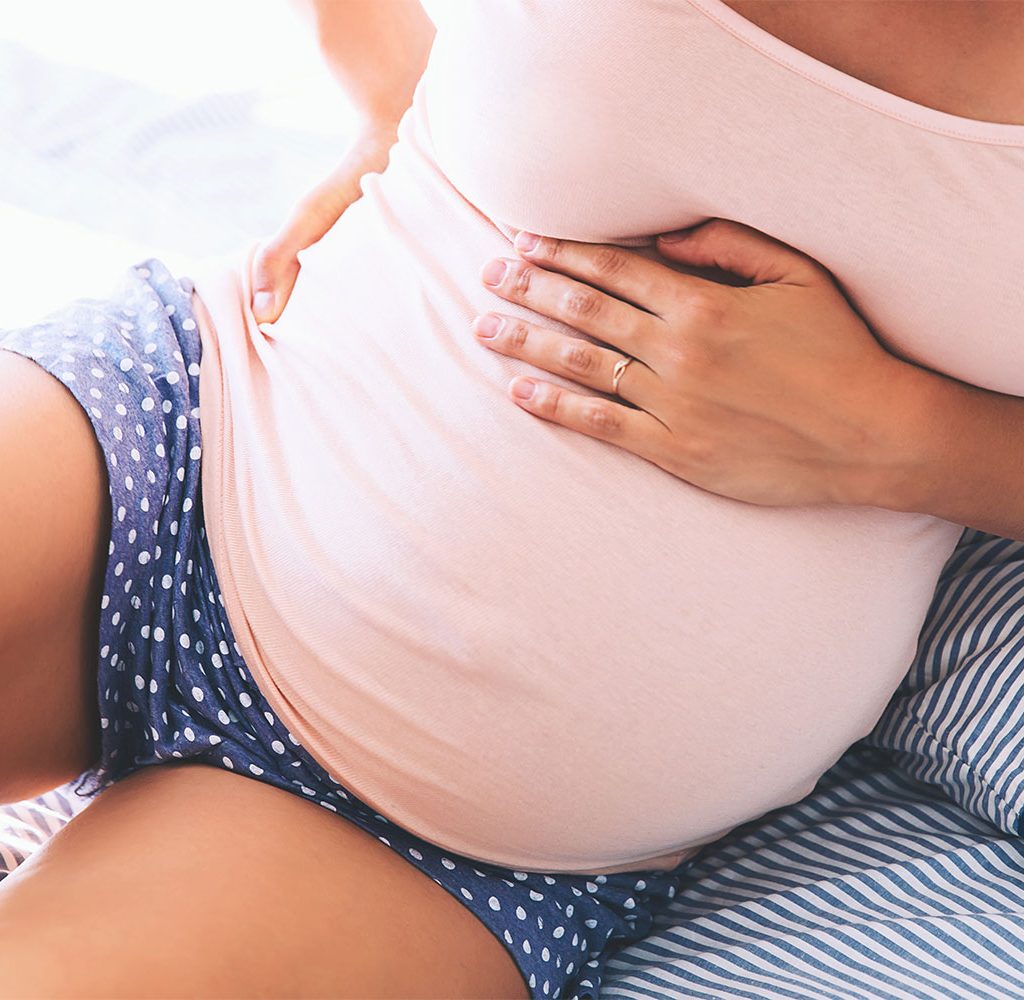
Backaches, a sore neck, and a sore belly are common symptoms of pregnancy. As the baby bump grows, so do the pains that can come with it. As long as you take proper precautions, you should be able to use your heating pad on your back and belly while pregnant.
Avoid wearing heavy clothes while using your heating pad to avoid overheating, and don’t put yourself in a position where you may fall asleep while using it. Some experts suggest refraining from using a heating pad directly on the belly, while others suggest placing a towel between the skin and the heating pad to add extra protection. Speak to your doctor to see what option is best for you.
The benefits of using a heating pad
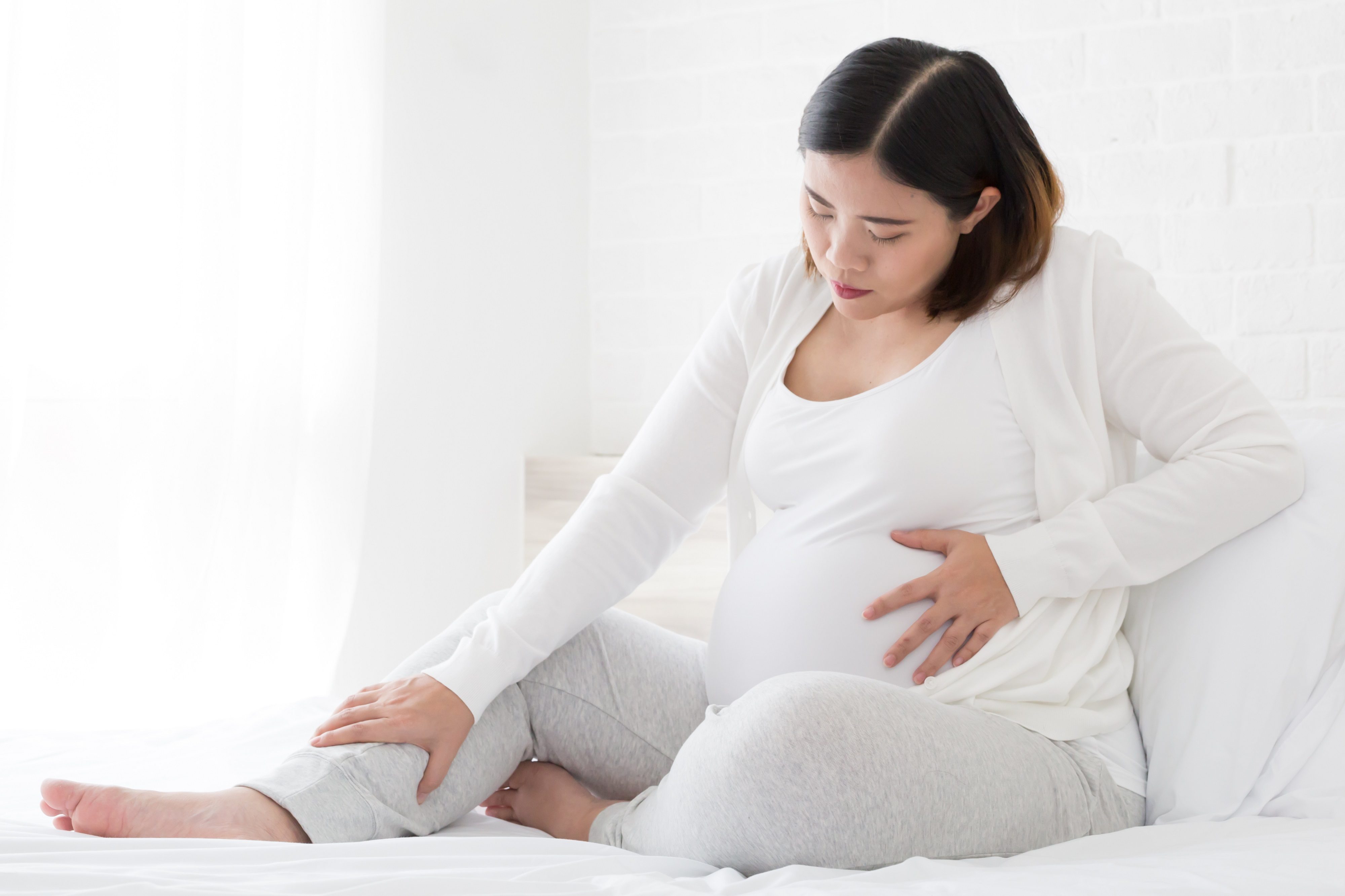
Now that you know how to safely use a heating pad while pregnant, there are a number of ways it can be beneficial for you. Experts suggest that heat therapy has numerous benefits to the pregnant body including relieving muscle aches and pains, easing joint stiffness, and alleviating round ligament pain. Applying heat by using a heating pad helps to relax those sore muscles and reduce tension, can improve blood circulation, and helps with discomfort caused by stretched ligaments.
Safely using heat therapy while pregnant can help you reduce that joint pain that often comes with pregnancy, and ease the soreness in your muscles, tendons, and ligaments. It can also help prevent muscle spasms.
When not to use a heating pad
Using a heating pad while pregnant is generally safe, but there are some instances in which it should be avoided. Some experts advise pregnant women to stop using a heating pad if they notice a change in the baby’s movement or behaviors, to only use one source of heat at a time, and “anyone who is bleeding or leaking amniotic fluid should not use a heating pad unless they get permission from a healthcare professional.”
Although pregnancy can be uncomfortable and sometimes even painful, there are safe and affordable ways to help alleviate that pain. A heating pad is a great way for pregnant people to provide some relief from the typical aches and pains that come with growing a human. If you’re concerned about using a heating pad or any pain you may be experiencing, you should always consult your doctor.