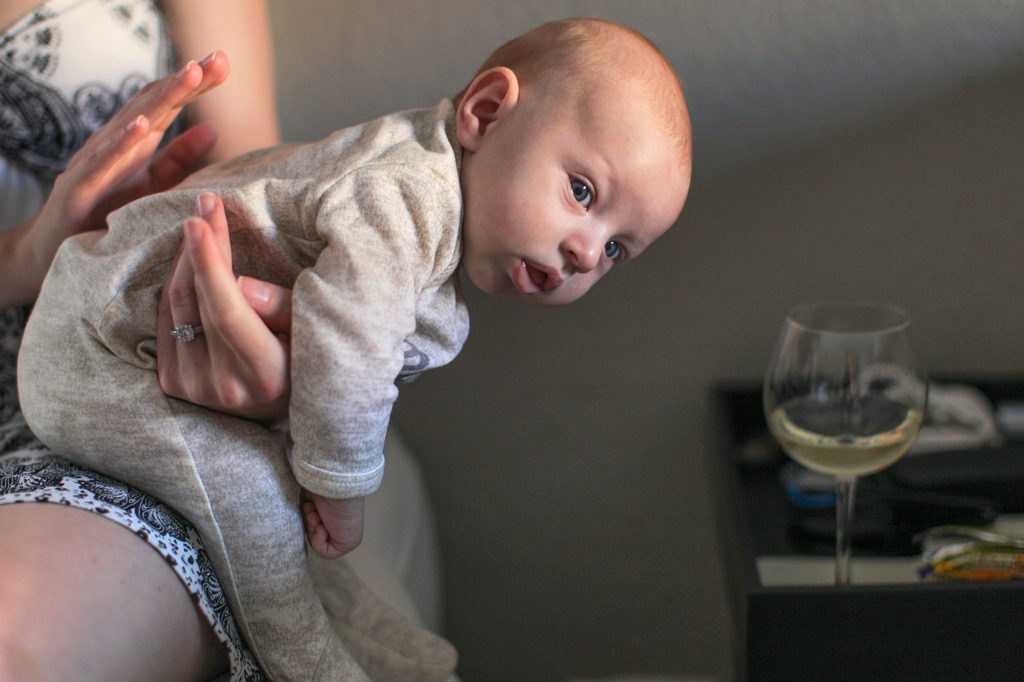
Pregnancy is full of rules about what you can eat or drink to ensure you have a healthy baby, which is why many people who have gone nine long months without consuming alcohol often look forward to having a celebratory glass of wine or a cold beer after their baby has arrived. However, once that baby arrives, women are met with mixed messages about whether it is safe to have a cocktail while breastfeeding or if they should pump and dump.
Understandably, a new parent may want to imbibe in a cocktail or two after having their baby, but what are the effects on their breastmilk if they are breastfeeding? Here’s the truth about alcohol and breastfeeding and whether it’s safe or if you should be pumping and dumping.
Is it safe?

There is a lot of conflicting information online about whether it’s safe to consume alcohol while breastfeeding, so it can be confusing for new moms who simply want to enjoy a cocktail or two after having a baby. While the Mayo Clinic writes, “There’s no level of alcohol in breast milk that’s considered safe for a baby to drink.” However, other experts advise that the occasional cocktail is safe if you’re breastfeeding, but excessive drinking is not. This doesn’t mean you can’t drink alcohol while breastfeeding, just that you need to wait for the alcohol to clear your system before feeding your baby.
Steven A. Shapiro, DO, chair of the Pediatrics Department at Abington-Jefferson Health, writes that “moderation and the age of your baby are key when it comes to imbibing while breastfeeding.” A doctor named Thomas Hale wrote a book called Medication and Mother’s Milk, which is the gold standard medical professionals use when deciding what’s safe during breastfeeding. Dr. Shapiro explained. “His recommendation, which is the one I make to my patients, is that once you feel ‘neurologically normal,’ it is safe to breastfeed.” Basically, that means if you feel sober, you should be fine to breastfeed.
Dr. Shapiro went on to add that “alcohol does not accumulate in breast milk, which means that when your blood alcohol level returns to normal, so does your milk. If you’re at a party and feel uncomfortably full, then it’s perfectly fine to pump or express your milk, but that’s for your own comfort and not for the baby’s safety.”
Should you pump and dump?
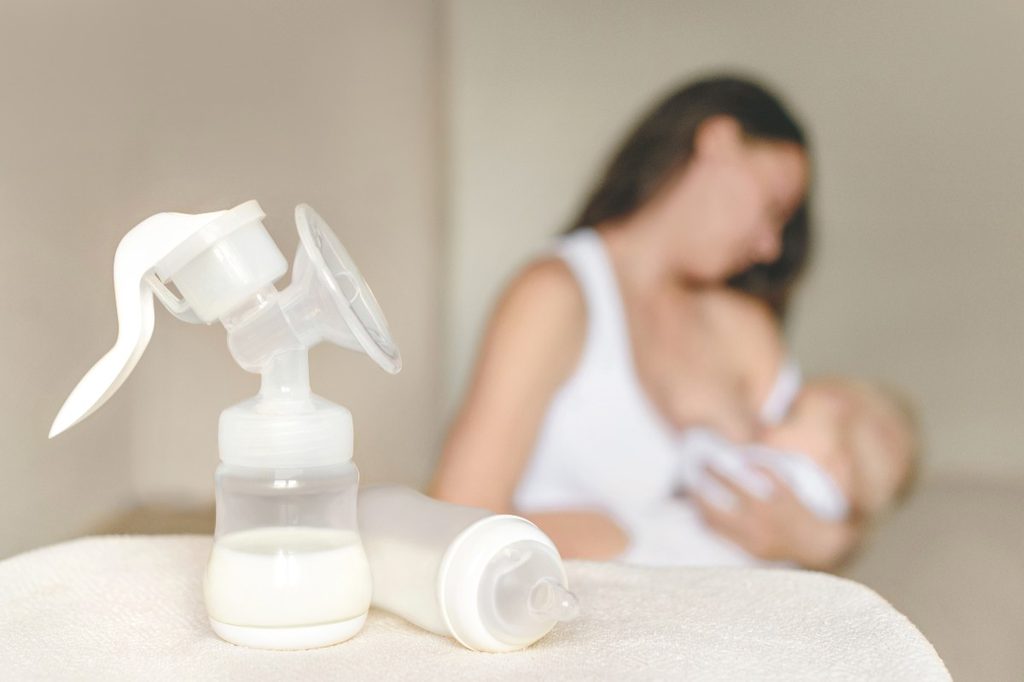
Pumping and dumping aren’t necessary because it does nothing to rid your breast milk of any alcohol content; only time can do that. The CDC advises that “alcohol levels are usually highest in breast milk 30 to 60 minutes after an alcoholic beverage is consumed,” but that it can be detected in breast milk for up to 2 to 3 hours after drinking. The more a mother drinks, the longer the alcohol can be detected in the breast milk. This isn’t always the same for every woman and can depend on factors like body weight, how fast the drinks were consumed, and whether the mother is drinking on an empty stomach.
Many experts suggest a new mother enjoy a cocktail shortly after a breastfeeding session so she gives her body enough time for the alcohol to leave her breast milk before the next feed. “Since the alcohol in your systems peaks about 60 minutes after you drink, plan that drink shortly after you finish breastfeeding,” Dr. Shapiro explained. “This will give your body time to process the alcohol before your next feeding.”
What effect can alcohol in breast milk have on your baby?
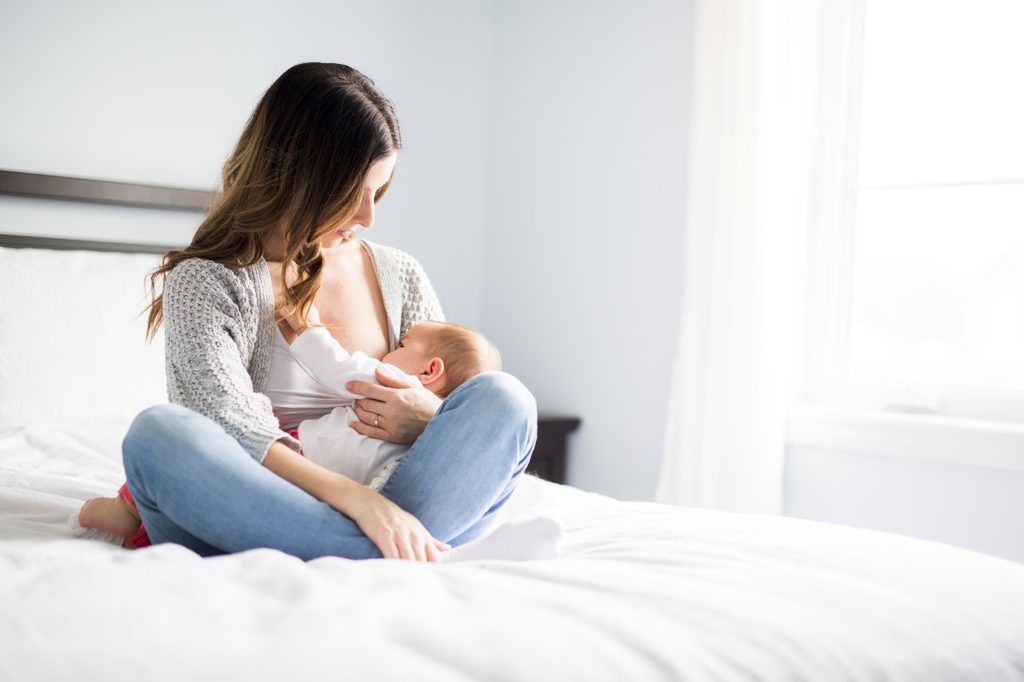
If you don’t wait until any alcohol has left your system before you breastfeed it could have a negative impact on your baby. Research shows that breastmilk containing alcohol can impact both the quality and quantity of a baby’s sleep. Alcohol can also change the taste of your breast milk, which your baby may not like.
Experts also suggest that babies who are exposed to alcohol through breast milk may experience increased startling, crying, and arousal and may drink less. Consistent exposure could negatively impact their growth, immune system, motor development, and cognitive development.
Alcohol and breastfeeding calculator

Choosing to have a drink while breastfeeding is a personal decision and one that most experts state can be done safely, as long as you allow the alcohol to leave your system before feeding your baby. Many women struggle with knowing when it’s safe to feed their baby after enjoying a drink or two, which is why many sites offer a breastfeeding calculator to act as a guide.
While these calculators are there to act only as a guide and not to be used as a medical calculator, they can help women determine if their breast milk should be clear of alcohol. This calculator allows a mother to input the number of drinks they’ve had, their weight, and the time that has elapsed since their last drink. It then calculates an estimated time for when there will no alcohol in the breast milk.
Alcohol and breastfeeding chart
There are also many breastfeeding charts online that will provide you with guidance as to when your breast milk should be free of any alcohol. The Bump has a handy chart you can print that gives basic guidance on how long it will take for your breast milk to be alcohol-free, depending on how many drinks you’ve had and how much you weigh. While these charts are not meant to take the place of medical expertise, they do provide a good guide for mothers.
If you’re curious about whether you can safely drink while breastfeeding, it’s always the safest decision to speak openly to your doctor, but most experts agree that if you choose to drink in moderation and wait an adequate amount of time before breastfeeding your baby, it can be done safely.