
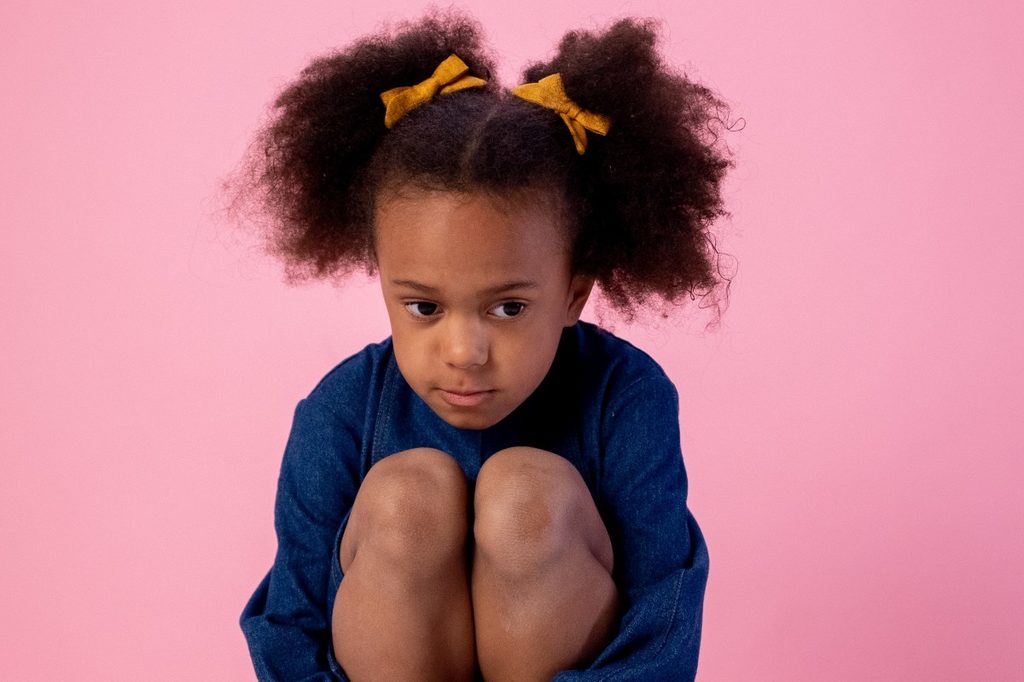
Emotions can run the gamut with kids. A child can be happy and content one minute and then be a puddle of tears the next. Managing emotions becomes increasingly difficult as kids get older. Feelings of frustration often erupt seemingly out of nowhere. Many times, a teen doesn’t understand why feelings of anger take hold much like a toddler having a tantrum in public.
As adults, we recognize that feelings are complicated, but understanding them is vital. Feelings are an abstract concept for children. Take the answer to some common parent questions like, “How are you feeling?” or “How was your day?” Kids will typically respond with fine or OK, even if their body language and demeanor are saying something else. Teaching your child how to verbally express their emotions through the use of feeling words forms a firm foundation for emotional well-being.
Feeling words are pretty expansive. While it may seem like happy, sad, and mad cover most of what kids are feeling, the opposite is true. There are quite a lot of feeling words that can describe how a child is feeling or even how a day went. Helping your child to use feeling words to talk about their emotions has many benefits. Kids will learn how to talk to you about how they’re feeling, while also expanding their vocabulary. Learning to do so at a young age will be even more beneficial in the tween and teen years.
How to teach feeling words to kids
Delighted, joyful, content, and ecstatic are all synonyms for happy. Each carries a slightly different take on happy, though. Your kiddo might be ecstatic after the soccer team wins the championship and content when it’s time to go to practice.
If you feel like you’re stepping back into your high school English class, don’t worry. Turns out, the teacher was right. There is something to be said for using those synonyms and antonyms in writing and speech. Having an expansive vocabulary makes it easier to understand.
The best way to teach feeling words to your children is to model them. When you use more than just the word “happy” to describe feeling good, your kids will do it, too. Instead of describing something positive as just cool, use another word like fabulous or spectacular. In today’s world, emotions are often reduced to emojis or text shortcuts. Try to balance the emojis with feeling words.
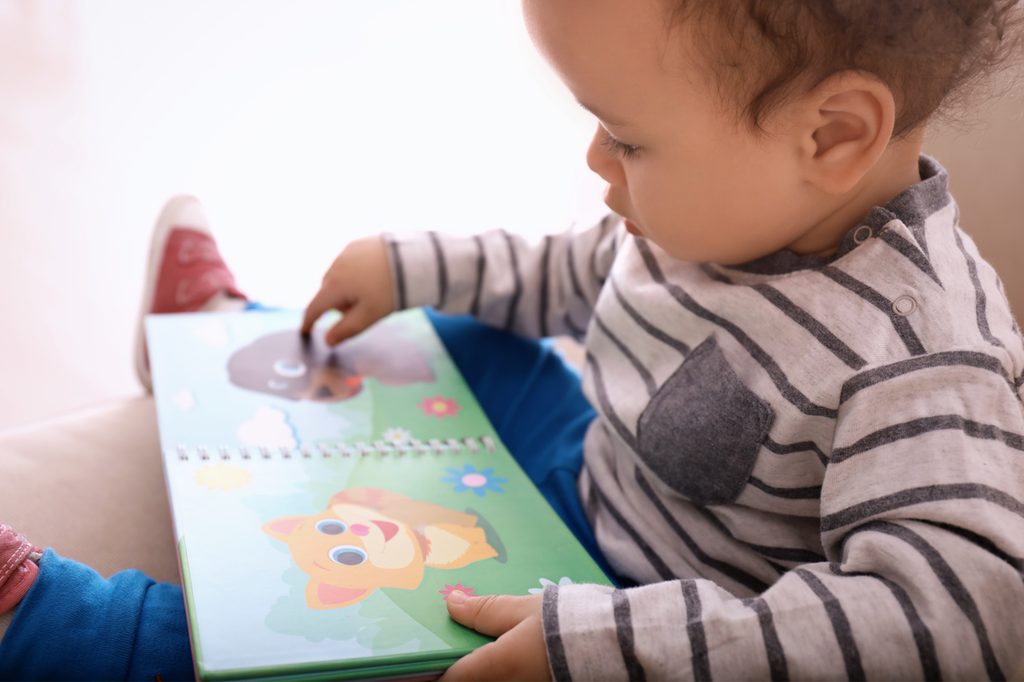
Another simple way to expose kids to feeling words is through books. There isn’t a shortage of board and picture books to help teach kids about feelings. Reading books about emotions and just books, in general, exposes kids to all kinds of feeling words and forms the basis of their vocabulary. You don’t have to stop reading to kids when they hit kindergarten. Reading chapter books to and with kids is a wonderful way for them to learn feeling words and expand their vocabulary.
Feeling words to model for kids

In a society where most things are a shortcut, it’s easy to get caught up. Why waste time texting you’ve had a terrible day when you can just send a sad emoji. You don’t have to tell your teen they are amazing when you can text a heart or clapping hands emoji. Using those shortcuts, though, won’t help your kids learn how to express their feelings in depth.
Don’t worry about using words you think kids won’t understand. It’s OK to use bigger words with kids. When they ask you what a word means, it helps them to learn different words for the same feeling. Emotions have complex layers, and in order to help kids understand that and talk about it, try to incorporate these words into your vocabulary.
Here are some different feeling words for single emotions.
Happy
- Pleased
- Overjoyed
- Delighted
- Content
- Cheerful
Excited
- Thrilled
- Elated
- Exhilarated
- Animated
- Passionate
Sad
- Gloomy
- Disappointed
- Hopeless
- Low
- Down in the dumps
Angry
- Annoyed
- Fired up
- Fuming
- Outraged
- Aggravated
Confused
- Puzzled
- Uncertain
- Mixed up
- Baffled
- Disorganized
Afraid
- Frightened
- Fearful
- Terrified
- Uneasy
- Scared
Worried
- Anxious
- Troubled
- Bothered
- Upset
- Distraught
Lonely
- Alone
- Friendless
- Abandoned
- Isolated
- Unpopular
Frustrated
- Discouraged
- Dismayed
- Disgruntled
- Disenchanted
- Displeased
Shy
- Reserved
- Timid
- Bashful
- introverted
- Wary
Curious
- Keen
- Inquisitive
- Engrossed
- Involved
- Fascinated
Calm
- Peaceful
- Serene
- Satisfied
- Content
- Fulfilled
Thankful
- Grateful
- Appreciative
- Pleased
- Obliged
- Touched
Confident
- Bold
- Assertive
- Self-reliant
- Self-assured
- Poised
Embarrassed
- Awkward
- Self-conscious
- Uneasy
- Humiliated
- Uncomfortable
Depressed
- Somber
- Melancholy
- Desolate
- Despondent
- Troubled
Using feeling words

We’ve all heard or perhaps used the expression “use your words.” Early childhood educators may use this expression when trying to encourage their students to talk instead of act. Parents, too, might say it for the same reason. The trouble with the expression is that toddlers, kids, and even teens don’t necessarily have the right words to explain their feelings.
In order to give kids the tools they need to answer the “How are you feeling?” or “How was your day?” questions, you need to give them the tools. The best way to help kids talk about their emotions is to provide them with the feeling words to do it.
Remember, you are your child’s first and most constant role model. When your child is feeling super happy about an accomplishment, label it with a feeling word. The same goes for yourself. If you’re having a bad day, describe it as being frustrating or troublesome. Kids learn by example. Expanding your child’s vocabulary of feeling words is just the beginning, and it sets a strong foundation for their language development.