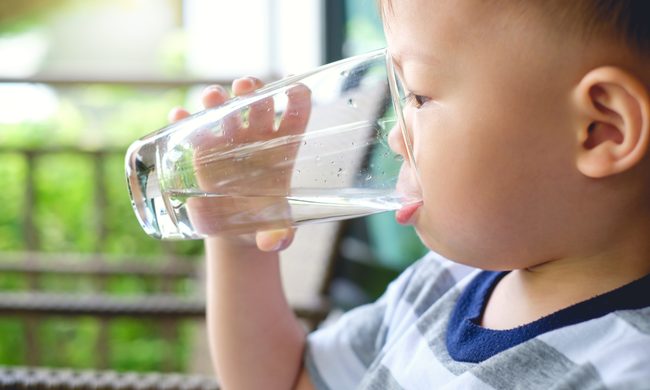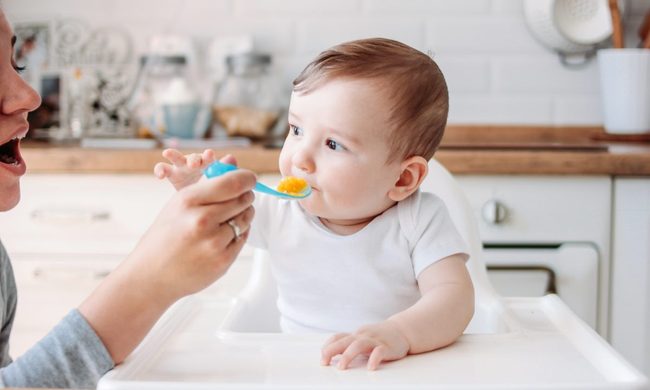
When your teeny baby turns into a toddler, a whole new world opens up. Your child finds their voice and starts using their cute little jibber-jabber language. But what’s really exciting is that you can finally introduce them to all kinds of foods. Watching your little one’s face as they try a new food for the first time is adorable.
But switching over to solid foods full-time can be overwhelming since you have to learn a whole new eating schedule. How much should a toddler eat? Can your toddler eat anything now? Is there anything in their diet you have to pay attention to? We can help you with the ins and outs of toddler meals to make sure your tot gets enough to eat.

How many times a toddler should eat in a day
- At least 5 times a day
- Every 2 to 3 hours
- Don’t forget the snacks
You might feel you are constantly feeding your toddler. You are, and you should be. According to the CDC, a toddler should eat about every 2 hours. Since they have adorable little tummies, there isn’t a lot of food that can fit in there. A toddler’s stomach is the size of one of their fists, so they need to eat often to fill it back up.
Will every toddler follow this pattern? No. If you have more than one child, you’ll find that each toddler is a whole new lesson on eating habits. But if you feel like you just fed your toddler and they are coming back asking for another snack, know that that’s natural. And give them the snack so everyone remains happy.
Toddlers and food preferences
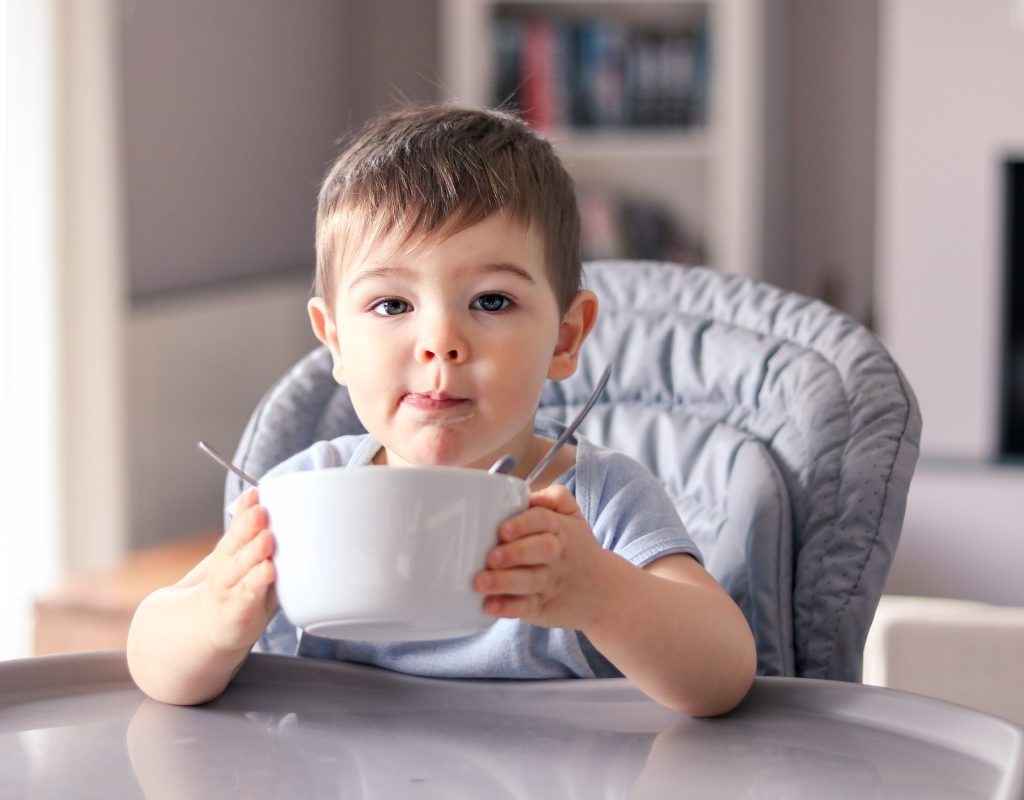
If this is your first time with a toddler, be mentally prepared. They can go from being picky eaters to eating foods that you would never imagine a toddler wanting to eat. And all within one meal.
Try to keep it fun
- Experiment with colors
- Introduce different textures
- Give one comfort food with a new food
You want to make each meal as much of a rainbow as possible. Not only will that ensure you are giving them a good mix of nutrients, but their little eyes love to see the different colors.
Most toddlers don’t like it when their food touches. We all know those grownups that need the special separating plates at Thanksgiving. Most toddlers are like that all of the time.
When you introduce a new food you’ll need to have patience. Make sure there are other foods on their plate you know they like and only add one new food at a time. It may take a few meals before they actually eat it, so don’t get discouraged.
What foods a toddler should eat
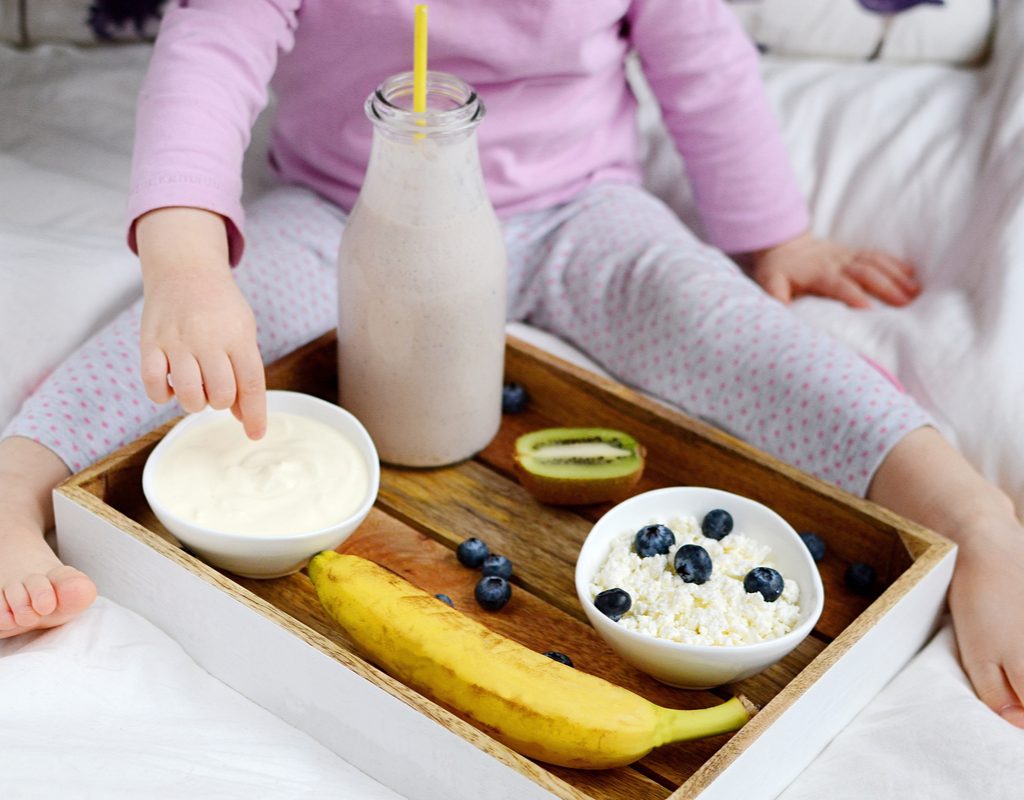
Depending on how many teeth your child has at this point, you might need to make sure their diet is mostly soft foods. But that doesn’t mean you have to limit what they can have. As long as they haven’t had any allergic reactions, you are pretty clear to introduce whatever you want. You just might need to cook things a bit longer.
Every day your toddler should eat
- Variety of dairy – 2 cups
- Yogurts, soft cheeses
- Iron-rich grains – 3 ounces
- Rice, oats, cereals
- Fruits – 1 cup
- Vegetables – 1 cup
- Proteins – 2 ounces

Be mindful of food shapes
Toddlers aren’t the best at chewing, so choking hazards need to be kept to a minimum. Even if your toddler has a full mouth of teeth, they may not know how to properly use them. Toddlers can choke on anything and those little throats are smaller than you think.
Make sure to
- Cut up round foods, like grapes and hotdogs
- No hard, round food like nuts
- No hard candy
- Watch out with sticky, thick foods like marshmallows

Toddlers eating habits can be crazy — just have fun
When it comes to feeding your toddler, there are going to be growing pains. You’ll have to figure out what they will eat, what they won’t eat, and how to sneak veggies into every meal. Toddlers are picky eaters and often will get under your skin. With patience, you can get your little one to love mealtime.
Some extra pointers
- You set the example
- Let your child help make meals
- Get them calm before mealtimes
Make the time to sit down and eat with them. When they see you eating different foods they will be more likely to eat them as well. Have them help make the meals (even if it’s putting stuff on the plates) so they will feel more excited to eat. But you don’t want them too excited so their stomach gets upset. Give them a 5-minute warning so they can mentally prepare to eat.
Make mealtimes fun. Give them their own plates and silverware. Put on some of their favorite music on in the background. Don’t rush the meal. Kids love to take forever to eat, so plan for it. But toddler meals don’t need to be a huge dilemma.
You’re going to navigate this one together, but it can be a happy experience that you and your toddler can enjoy. And think of all of the exercise you’ll get in when you have to grab your kiddo a snack every other hour.