
A common thread among newborns and toddlers is they know how to make a mess. To help keep your baby and home a bit cleaner, it’s good to know about the different types of bibs. Bibs are a baby essential, and even when you have a toddler, they are a great thing to have. From spit-up to mealtime messes, it’s handy to have a little help catching those oopsies only little ones know how to make. Let’s discover what makes baby drool bibs and feeding-time bibs different from each other and why you should invest in both for your little one.
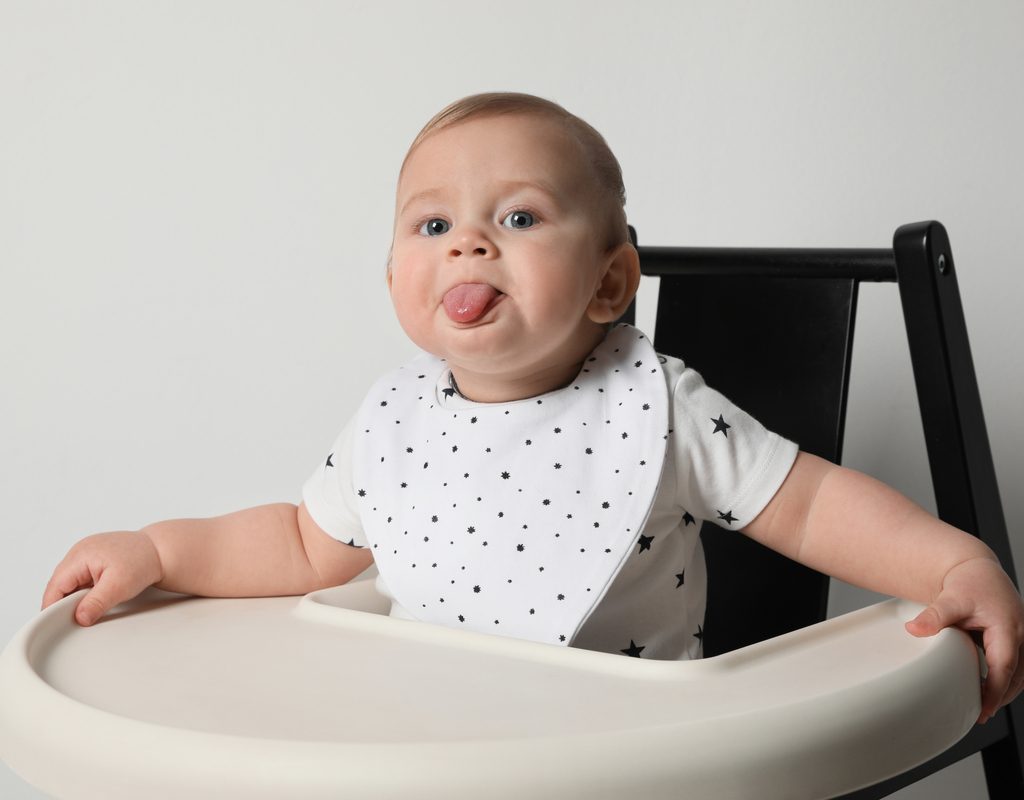
The reason to grab a drool bib
Babies can’t help but make a mess with all of that constant drooling. Until they’re a year and a half to two years old, they haven’t developed oral muscles to control their drool, but this excess drool helps them digest food when they start solids. When they’re teething, their drooling intensifies. A drool bib prevents neck rashes that develop by letting you wipe away dribble around their mouth before it reaches those adorable chin folds.
The main features of a drool bib and what to look for when shopping for one
The size: Drool bibs are smaller than feeding-time bibs. Their main purpose is to keep the front of your baby’s shirt dry. The bib is just large enough to cover your baby’s upper chest and neck. If your little one has started crawling, drool bibs will help your floors and other surfaces stay drool-free.
The fabric: These bibs are usually made of absorbent fabrics that wash easily and dry quickly, like flannel, heavy cotton, and even bamboo, or you’ll find a fabric blend like cotton knit jersey or microfleece. Most bibs are made with two layers for optimal absorption and these fabrics should withstand heavy washing.
The styles: Since drool bibs are meant to be worn all day, they should fit snugly. You have multiple options with snaps, Velcro material, or buttons. The most common are adjustable metal or plastic snaps to keep the bib on your baby even when they’re playing.
You might also opt for bandana-style bibs, which are less bulky than the traditional rounded shape. Bandana bibs have a higher collar, which keeps drool off of your baby’s chest and neck. Some bandana-style drool bibs have a silicone arrow tip for teething babies. These two-in-one bibs are helpful from birth until toddler age. A bandana bib is also a little more difficult to take off, so it stays secured, even if your child tries to pull it off their neck.
Besides bandana-style bibs, you may opt for traditional styles with a plush collar. These catch drool, milk, food, and prevent neck rashes.
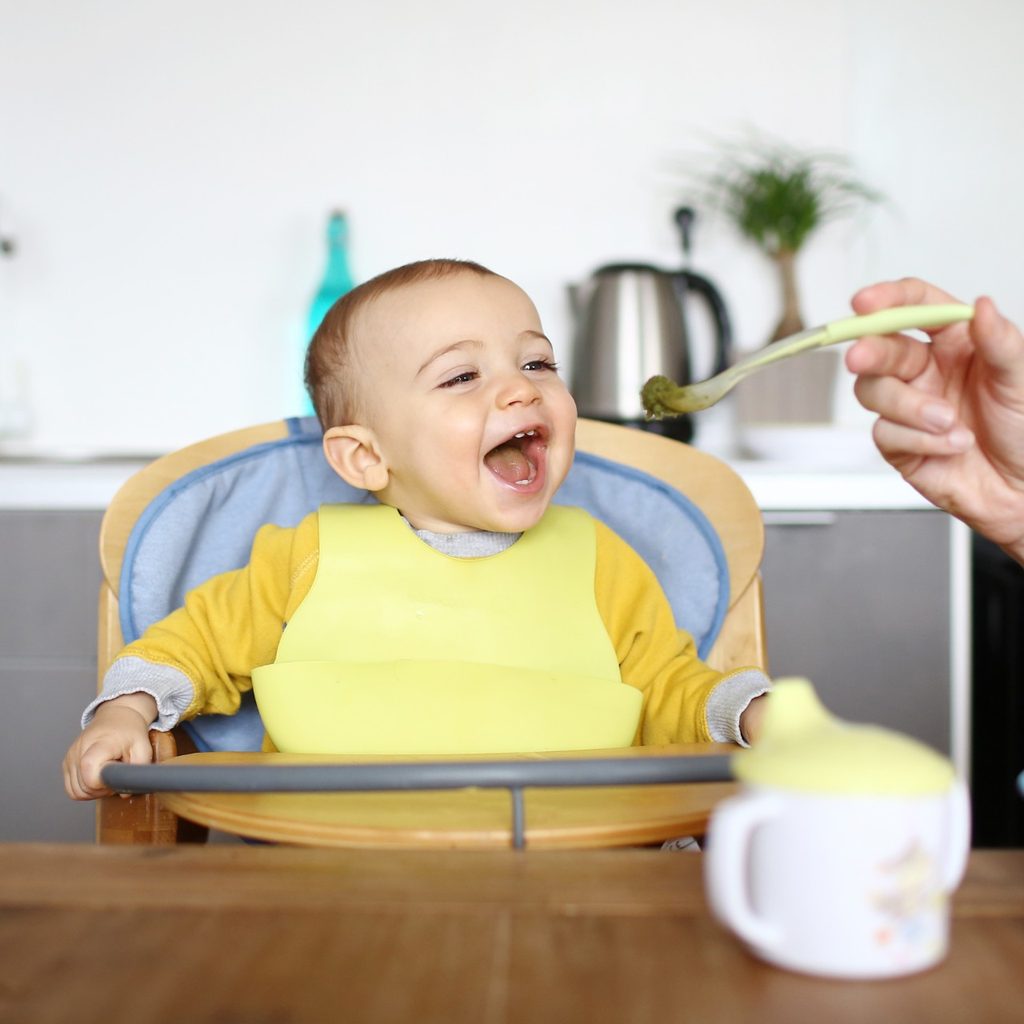
Why feeding-time bibs are a must-have
Whenever your baby begins to self-feed, a mealtime bib will help keep food on their plates and off their clothes a little bit better.
The size: Feeding-time bibs are typically larger than drool bibs and offer wider coverage to protect your baby’s clothes and skin from mealtime messes. A feeding-time bib should cover your baby’s chest and shoulders, but larger bibs that cover their stomach and arms are a plus.
The fabric: Mealtime bibs are made of waterproof or almost waterproof fabrics, which makes them easy to wipe off or clean after their meal. At the end of the day, you just toss them in the washer or hand-wash them and air dry.
Feeding-time bibs are often made of silicone that wipes down quickly and of food-grade silicone to ensure they’re safe to use, especially for younger children.
The styles: Feeding-time bibs come in various styles. The scoop bib looks like a traditional bib but with an added pocket at the bottom. This pouch catches food, drool, and other debris during mealtime.
Try a long-sleeved bib or a smock bib, as these bibs are like open-back long-sleeved shirts that are easily taken off after a meal. The added coverage keeps even the messiest baby food-free. Baby smocks offer a short-sleeved option if that seems more comfortable.
One disadvantage about long-sleeved bibs is they’re often a specific size. Unlike traditional bibs, which are adjustable and could be used for months, your little one may outgrow their pair of long-sleeved bibs more quickly.

Other factors to consider to find the right bib
Whether you’re shopping for drool bibs or a heavy-duty feeding-time bib, opt for products with adjustable neck fasteners, as bibs that have a wide use age range are more practical. For instance, a bib for 6-24 months is more ideal than a bib for 6-12 months. It also guarantees a comfortable fit for your baby because you can adjust the fasteners accordingly.
Besides fit and comfort, you want to think about colors and patterns. This is where the fun comes in! Bold designs are not only visually pleasing, but they hide stains, so consider purchasing bibs with prints when possible. Smaller, absorbent drool bibs are excellent for all-day use, while larger waterproof feeding-time bibs are fit for food messes.
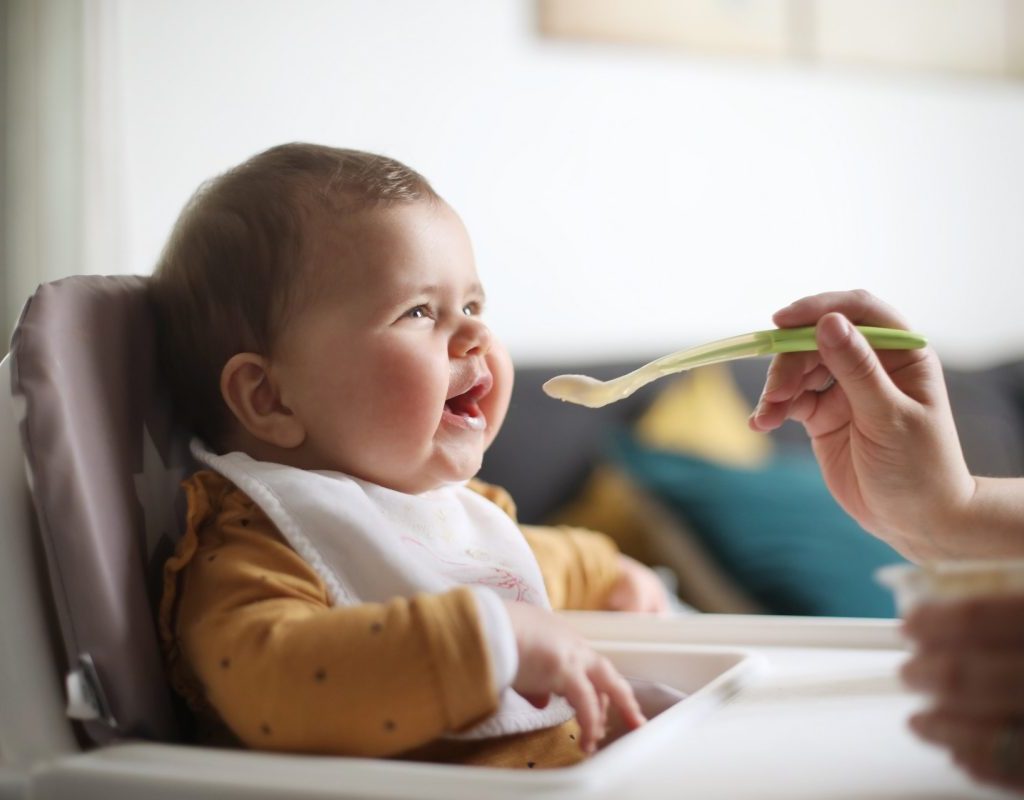
The need-to-knows about bibs and your baby
Does every child need a bib? Do you need both kinds? That’s up to the wonderful world of each baby being completely different and unique.
When you should buy bibs, too
Most babies start their drool school around 6 months of age. That’s also when most babies are eating a pretty good diet of solid foods and will make mealtimes their personal messy time. While having everything for the first year by the time baby is born is great, you don’t need bibs right away.
There’s no proper number of bibs you need
Whether you want a bib for every single day, two for each day in case of big messes, or you’re going to wash constantly and only need a few of each kind, that’s going to be up to your lifestyle. If your child is prone to rashes, change their bib multiple times a day and give their neck time to air out. Once you know how messy and drooly your child is, you’ll be able to adjust how many bibs you need. Start with a few and grow your amount from there to make sure you don’t purchase too many.
You could always get cloths instead
If you just aren’t a fan of bibs for whatever reason, there are plenty of burp cloths out there to get instead. If your baby doesn’t drool a lot and barely makes a spill when they eat, keep a couple of burp cloths around the house to help you keep your baby clean.
While some messes can’t be avoided, the right set of bibs may help prevent rashes and stained clothes. A handful of drool bibs and one or two feeding-time bibs should be fine, as long as they are durable enough to survive even the biggest of baby messes. We can’t guarantee using both bib styles will keep your whole house cleaner, but they will protect your precious little one from their own handiwork.