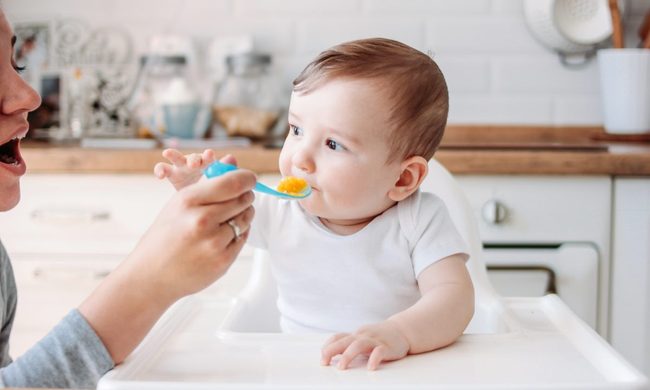
Valentine’s Day is the holiday to celebrate love, but it doesn’t just have to be romantic love (like how kids join in with giving Valentine’s cards at school). If you’re spending Valentine’s Day with kids, you may want to include them in the celebration. Engaging your little one in Valentine’s Day toddler activities is a way to show them love and even build skills and self-esteem. Seriously — art, cooking, and physical activity are all on the table when you’re spending Valentine’s Day with kids.
Like with any holiday, you can make it your own. Here are toddler and preschool Valentine’s Day activities your young children will embrace — and so will you.
Valentine’s Day crafts for toddlers and preschoolers
Heart crafts
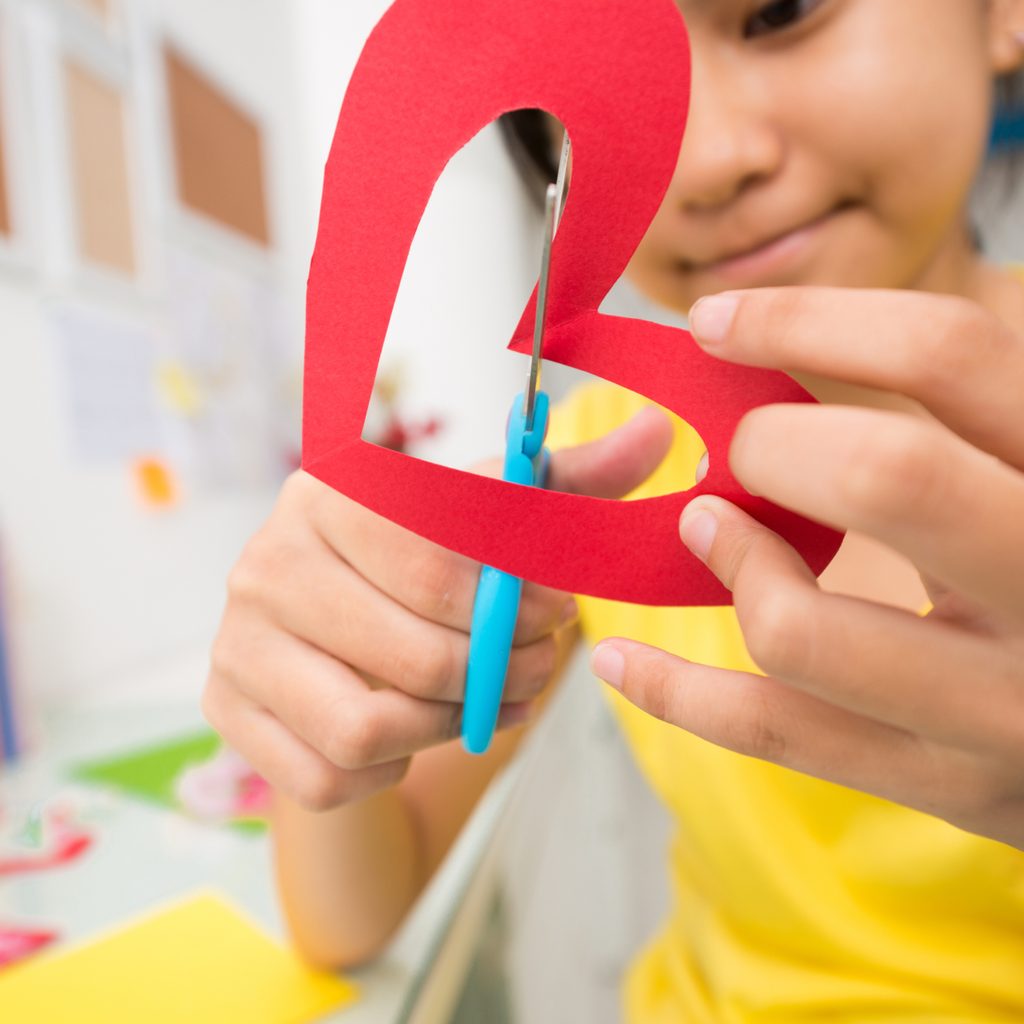
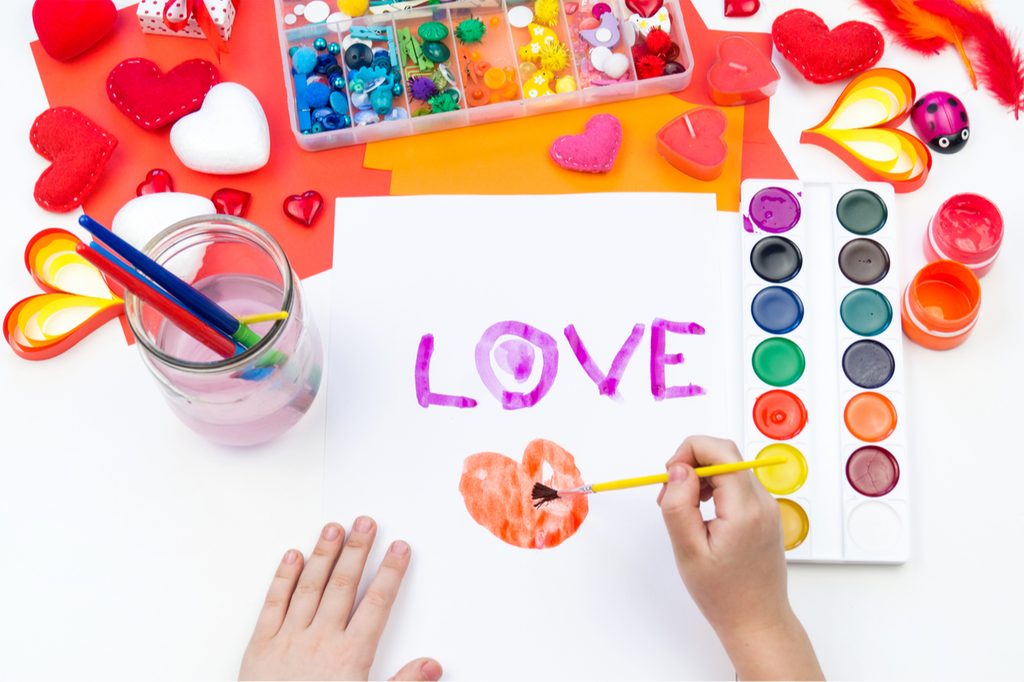
Make a garland, mobile, wreath, or card out of paper hearts, or adapt just about any craft to include the color red or pink. There are endless Valentine’s Day crafts out there for any age that will let you have quality family time around the table.
Decorate their doors with love
Another crafty idea: Every day from February 1 to 14, cut out a heart, write something you love about your child on it, and put it on their door. Every morning, read it to them — it’ll help them learn about themselves in a positive light.
Make a scrapbook
Take out some photos (or have prints made in time for Valentine’s Day) and reminisce over the memories as you paste them into a scrapbook together. Kids will love adding stickers or other embellishments to contribute.
Food-related Valentine’s Day activities for young children
Cook together
Go out for a cooking class as a couple or a family or cook something together in the kitchen at home. Either way, this is a fun activity that you can adapt to any age and makes meal prep a lot more fun than a usual day. Incorporate heart shapes into your meal, like a heart-shaped pizza!
Special meals
Buy a fondue set or even a chocolate fountain in advance to break out for this holiday. It will feel like a special occasion with your new accessory. And you can turn anything red or pink with food coloring (like pancakes) and use cookie cutters to turn anything into hearts (like toast).
Have the kids serve you a meal
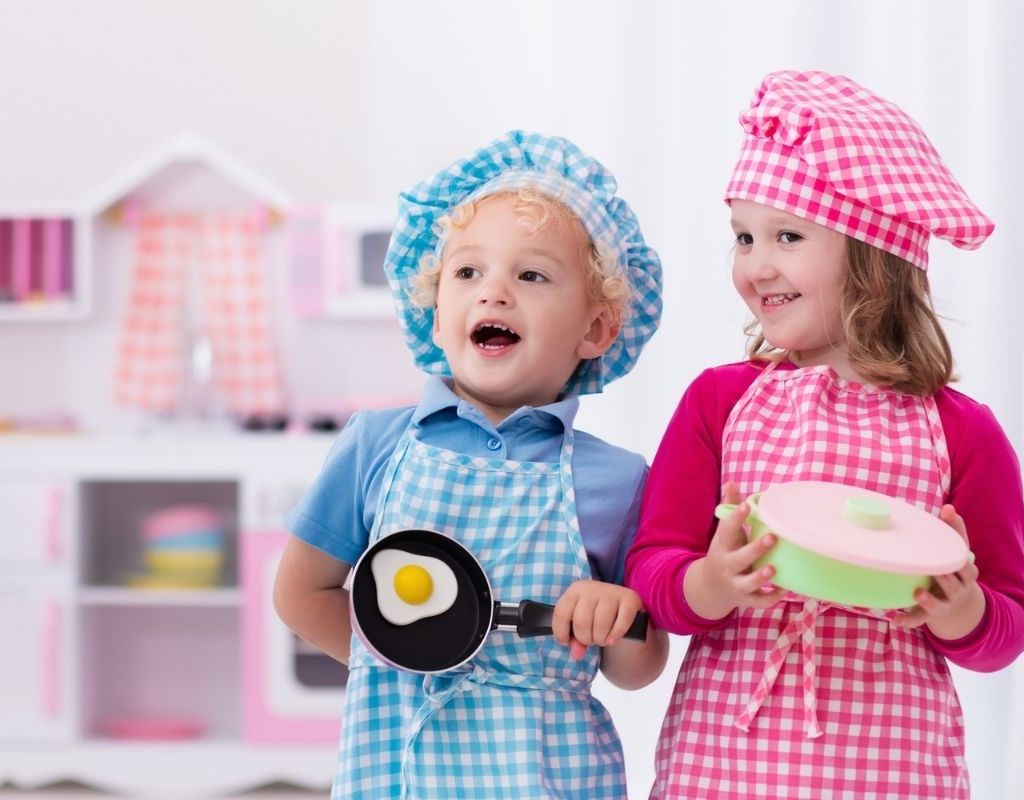
Have the kids play waitstaff and do it up with aprons and notepads at Chez Valentine’s. If you can’t go out for dinner as a couple, let your kids play restaurant and they’ll have fun acting fancy, and you and your partner can have that served dinner without a babysitter.
Outdoor toddler Valentine’s Day activities
Ice skating
Ice skating is a classic date that also works as a family activity. February is a peak season for this pastime, and if your children are old enough to walk, they may be ready to rent some skates and give it a try. It’s a nice way to get out of the house together.
Take a garden stroll
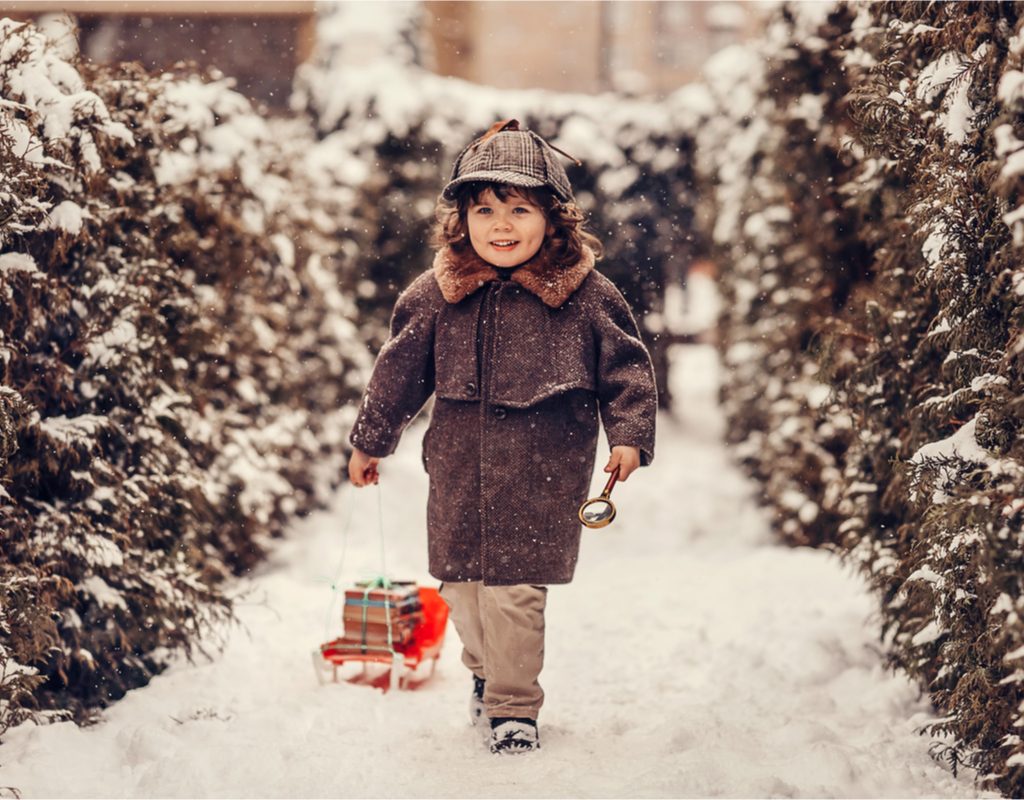
Do you have a park or botanical garden near you? Bundle up and put on some winter boots. Then, take a family walk together to enjoy each other’s company and the beauty of nature around you. The world may not be in bloom in February, but the bare trees and vines are positively ethereal, and it’s a fun way to beat hibernation-season boredom. Maybe the kids can even run off to play within sight for you and your partner to have some quality time to talk while you walk.

Relaxing ways to spend Valentine’s Day with kids who are little
Watch family videos
Ditch YouTube for something more personalized. If you have a wedding video, make a tradition of watching it each Valentine’s Day to remember the love that created your family. If you have home video clips on your phone, you could edit them together to screen a mini movie of family memories for everyone to watch together.
Pedicures
Let the kids give you both foot massages to pamper you, and you can paint their nails, too. You don’t have to go to the spa for some relaxation!
With these Valentine’s Day ideas for parents, you can bring the whole family together. While date nights and couple time are important, you can always go out another time when reservations aren’t so hard to get. The love between all members of your family is special, and your kids will love being included in the holiday they see being celebrated all around them with Cupid decorations and heart balloons. Let them know that love isn’t just about romance and couples, but that all love is special, including yours for them.