
Because of modern science, the birds and the bees aren’t precisely what they used to be. The rise of assisted reproductive technology (ART) has given parents ways of conceiving besides intercourse.
More than 8 million babies have been born via in vitro fertilization (IVF) since its inception in 1978 and 2018. In 2019, more than 83,000 babies were born via ART, according to CDC data. It’s unclear how many of those were from the IVF process, but the CDC notes it’s the most common form of ART.
Someone may undergo IVF for many reasons. In the U.S., 1 in 5 women in heterosexual relationships are unable to get pregnant within a year of trying, the CDC says. The IVF process is also a way for LGTBQIA+ couples to conceive children.
It can feel overwhelming, but knowledge can help calm your nerves. Here’s what to expect from IVF.
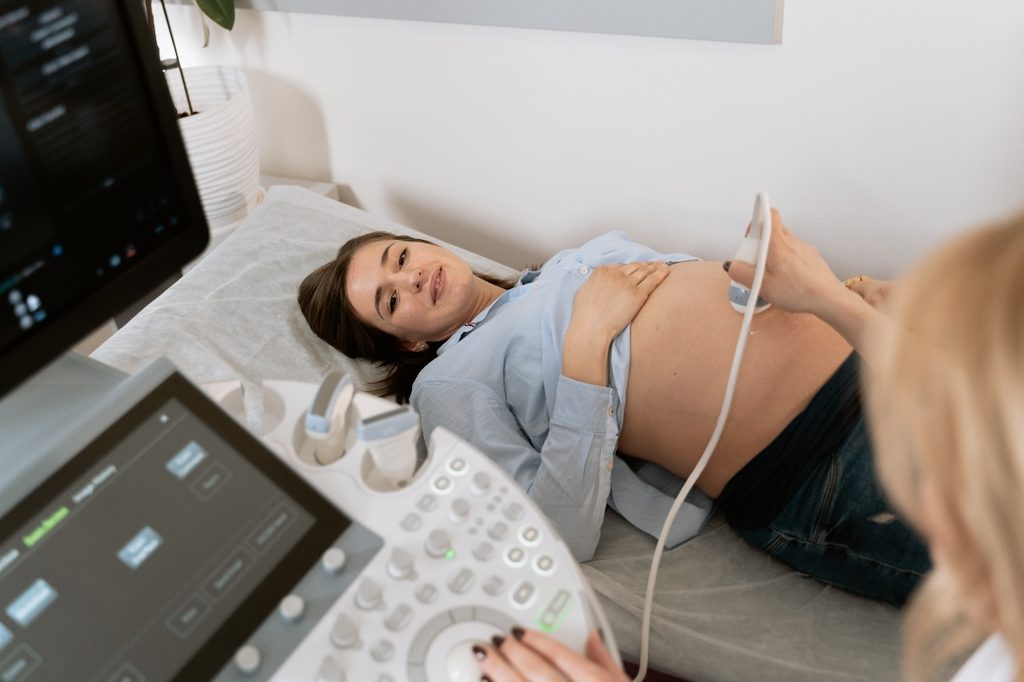
What is the IVF process?
Like intercourse, IVF involves combining an egg and a sperm. With in vitro fertilization, the process happens in a lab. It sounds simple, but it’s a three-week process.
Prescription birth control or estrogen
You may be surprised to see birth control as the first step. This prescription controls the menstrual cycle, which helps providers plot out the rest of the process. It can also ward off ovarian cysts, which can sometimes affect fertility.
Injections to stimulate the ovaries
Sometimes, IVF parents-to-be put piles of syringes in their pregnancy announcement photos. Here’s why: To maximize your chances of getting pregnant, providers will work to stimulate your ovaries so there are several eggs to retrieve during your cycle rather than the usual one egg. You’ll need hormone injections, plus a trigger shot about 34 to 36 hours before the egg retrieval to finalize the maturation. During this step, you’ll undergo bloodwork and ultrasounds to monitor the process and check for hormone levels. It typically takes two weeks.
Egg retrieval
Egg retrieval is a significant moment in the IVF process. It happens at your provider’s office and involves using a thin needle and suction device to retrieve eggs. It takes about 20 minutes. You may feel cramping. A provider can transfer frozen donor eggs instead if the carrier isn’t using their own eggs.
Sperm retrieval
You can use donor sperm or sperm from a partner for IVF. If using donor sperm, it’ll be thawed the morning of the egg retrieval. A partner’s sperm will be taken via a semen sample on the same morning of the egg retrieval.
Fertilization
A provider will combine the eggs with sperm in a petri dish shortly after the egg retrieval. You can fertilize multiple eggs and freeze excess ones for later use. If fertilized, the egg-sperm pairs turn into embryos. They’ll be monitored for development. The goal is to get them to the blastocyst stage so they can be transferred.
Embryo transfer
If there’s a viable embryo, the provider will transfer it to the uterus with a catheter and syringe. This process happens a few days after the egg and sperm retrieval — usually between two to seven days later. An embryo will implant about one to two weeks later if successful. Your doctor will take bloodwork to determine if it did. If an embryo is implanted, you’ll get your, perhaps, long-awaited BFP (big fat positive).

Is IVF painful?
It can be. Injections and blood tests may cause mild pain but shouldn’t hurt more than a standard vaccine or bloodwork. You may feel bloating and cramping after the egg retrieval and transfer. Implantation can also cause some mild cramping, but that’s a side effect regardless of the contraception method.

What are the different types of IVF?
When undergoing IVF, you may choose from a few options. These include:
- Natural IVF: This IVF skips the stimulation drugs and only retrieves one egg. It promotes the body’s “natural selection” of the best egg and is the most cost-effective option.
- Frozen embryo transfer: The provider will thaw and attempt to transfer multiple embryos and is often favored by people trying to get pregnant in their late 30s or early 40s. If multiple embryos implant, you could end up with multiple babies.
- Elective single embryo transfer (eSET): The provider chooses the embryos with the best shot at implanting for transfer. Other embryos can be frozen.

What’s the difference between IUI and IVF?
Intrauterine insemination (IUI) is a more straightforward office procedure. It involves taking a semen sample, “washing” the sperm to get rid of seminal fluid and placing it in the uterine cavity above the cervix of an ovulating person. The process makes the sperm’s journey to the egg shorter and — hopefully — easier. The doctor and parents will know a person is ovulating through over-the-counter kits.
The IVF success rate is higher.

What is the IVF success rate?
The IVF success rate varies by age, and you should discuss your odds with your provider. According to the CDC, the success rate is almost 55% for people under 35 and about 41% for people ages 35 to 37. It drops significantly to about 27% for people ages 38 to 40 and less than 5% for people 43 and older.
If your first try was unsuccessful, speak with your provider about the odds of a different outcome the next time. Additionally, ask about the likelihood any pregnancy will result in a live birth. You may consider switching offices if there was an issue with quality control. If the issue was with the egg or sperm, you might want to look into donors.
The IVF process has allowed people experiencing infertility and those who are LGBTQIA+ couples to have children. Millions of people have been born because of IVF since it began in 1978. IVF success rates vary by age. The multistep process can feel overwhelming. Make sure you are caring for yourself during the process. Support groups and therapists specializing in reproductive health and infertility can help you work through your emotions and feel less alone. Your provider may be able to recommend a specialist or group.