  1. Home
  2. Stages
  3. Evergreens

Why can’t babies have honey? The answer may not be what you think

Find out about this food and why it shouldn't be on your tot's menu

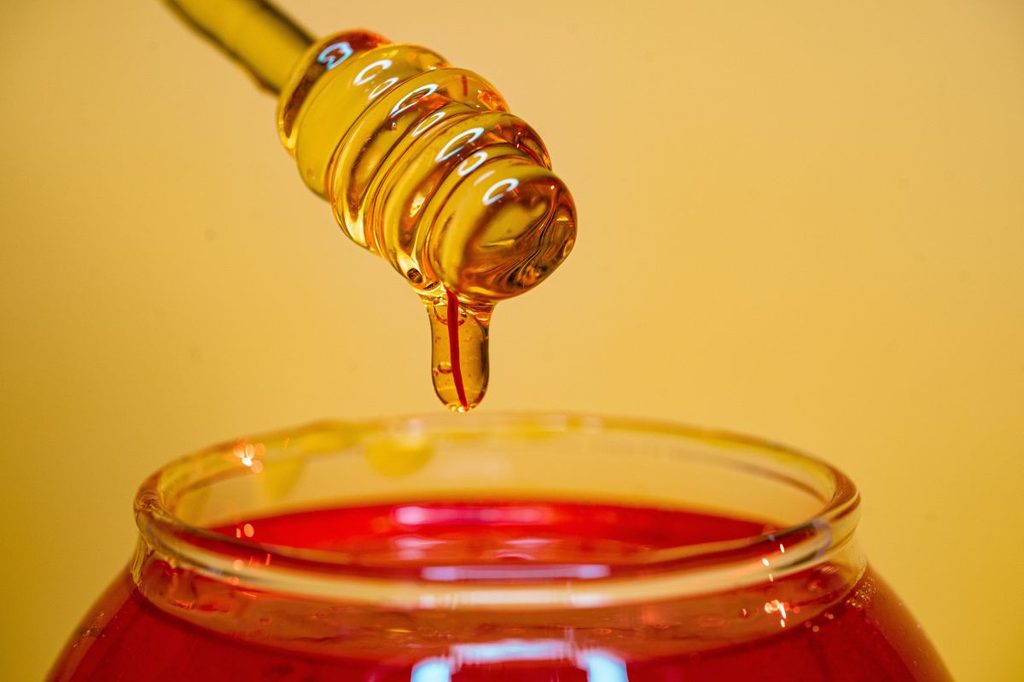
Honey
Benyamin Bohlouli / Unsplash

Did you know that babies under the age of 1 shouldn’t eat honey? Introducing your baby to new foods, flavors, and textures is an exciting milestone for parents but also one that comes with a bit of anxiety. Most parents are aware of the potential choking hazard of certain foods and will meticulously cut up fruits into tiny, bite-sized pieces, cook vegetables until they’re soft enough to eat, and slowly introduce foods that may trigger an allergic reaction.

The reason babies shouldn’t have honey until they reach their first birthday isn’t because of a choking hazard or allergic reaction, but because of the bacteria it contains that can cause serious illnesses in babies.
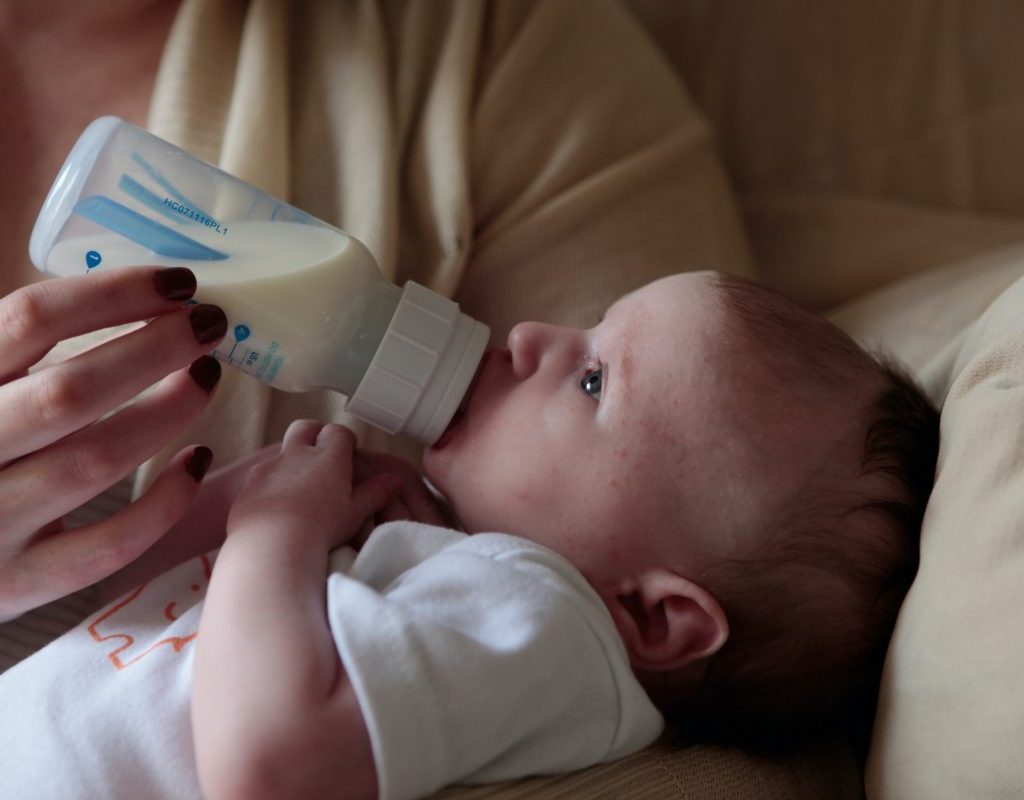
Baby drinking from a bottle.
Lucy Wolski / Unsplash

Why can’t babies have honey?

Clostridium botulinum is a form of bacteria found in honey. This bacteria can cause infant botulism, which according to Nemours, can lead to “muscle weakness, with signs like poor sucking, a weak cry, constipation, and decreased muscle tone (floppiness).” Although infant botulism is rare, it can be serious and most often occurs in babies under the age of 6 months, according to WebMD. This bacteria can affect an infant because their digestive system isn’t as able to defend against the bacteria as older children and adults.

Making smores around a campfire
Jessica Ruscello / Unsplash

What to avoid

Now that you know to avoid giving your baby honey until their first birthday, you may also want to avoid any foods that could contain honey as well. Honey is a commonly used natural sweetener in many products and baked goods, as well as certain crackers. It’s important to check the ingredient labels to avoid honey when giving your infant new foods.
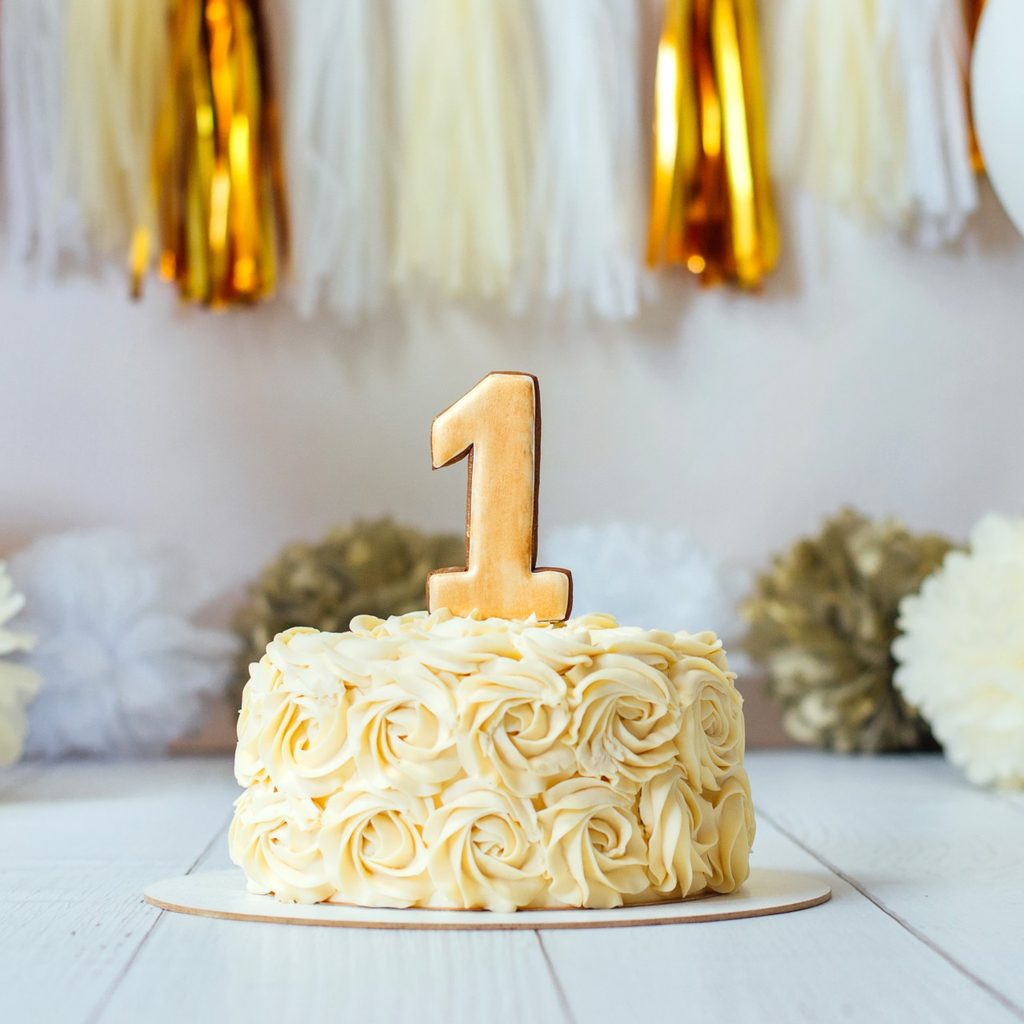
A baby's first birthday cake
Ievgeniia Shugaliia / Shutterstock

What a difference a year makes

You may be wondering why honey is safe to consume after a baby celebrates their first birthday and not before. According to the Cleveland Clinic, “Ingesting botulinum spores doesn’t cause botulism in healthy older children and adults. But for reasons unknown, the toxin is released in infants younger than 12 months old. This is why experts advise that babies shouldn’t eat honey until they’re at least 1 year old.” Essentially, infants need to give their digestive system time to mature.
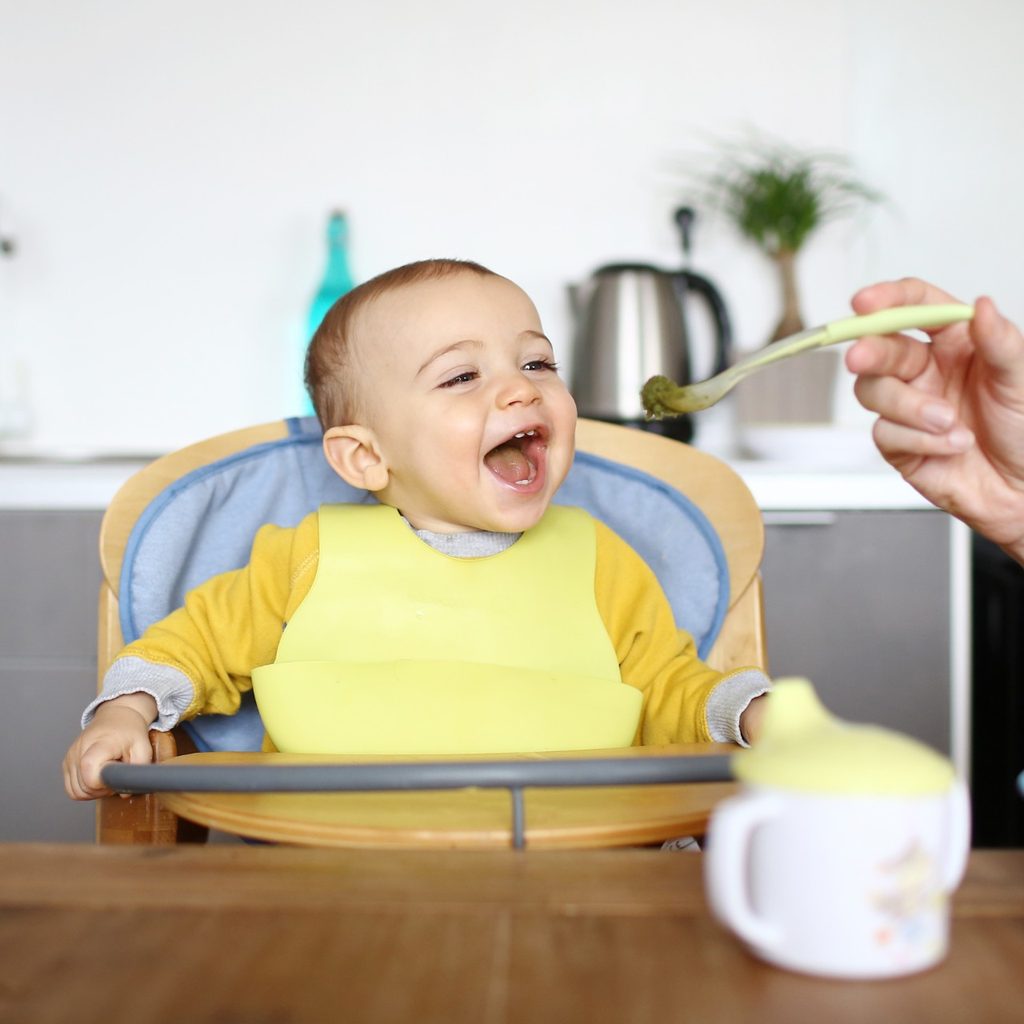
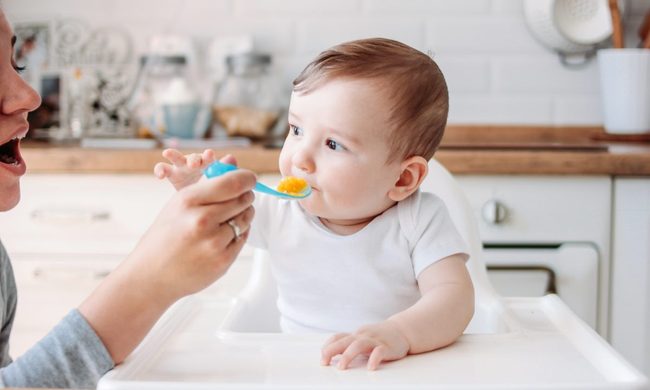
Happy baby in highchair eating
Catherine Delahaye / Getty Images

What to do if your baby accidentally eats honey

So what do you do if you accidentally give your baby a food product that contains honey? First of all, don’t panic! “Most honey doesn’t actually contain the spores, so the risk of developing botulism after one accidental ingestion is extremely low,” Andrea Hadley, MD, section chief and pediatric hospitalist at Helen DeVos Children’s Hospital in Grand Rapids, Michigan, explained to The Bump. Instead, she suggests keeping an eye on your baby for signs of botulism, which can include constipation, a weakened cry, loss of facial expression, a reduced gag reflex, slow feeding, and an overall weakness or floppiness. Contact your doctor if you have any concerns.

Recommended Videos

Introducing your baby to new foods can always be a bit of a nerve-wracking experience, which is why it’s important to follow the suggested guidelines and only introduce certain foods when your baby is ready. Honey is a great natural sweetener that your baby will probably love after they celebrate their first birthday.

Kelli Catana
Former Author
Is your newborn eating too much? What to know about overfeeding
Cues to watch out for to let you know if you're overfeeding a newborn
Mother holding baby in nursery

Every parent knows the excitement and anxiety that comes when it's time to bring their baby home from the hospital for the first time. Besides the sleep schedule, many new parents may be worried about whether their infant is getting enough to eat. But is going the other direction something parents should also worry about? Is there such a thing as overfeeding a newborn? The short answer is yes. Overfeeding a newborn is a possibility, but it doesn't happen often.

Every newborn has differences in appetite where one might drink a bottle or breastfeed longer than another. Before you stress, don't worry. There are signs to be on the lookout for when it comes to giving your little one too much food. Whether it's your first or third child, if you are concerned about overfeeding your newborn, we have the information you need to know.
Why overfeeding a newborn is something you don't want to do

Read more
Recognizing early autism signs in toddlers: 6 things to know
Which toddler behaviors are quirky and which are red flags for autism?
Toddler boys playing a party game

The Centers for Disease Control and Prevention (CDC) has found that about 1 in every 36 children has been identified with autism spectrum disorder. If your child is on the spectrum, the initial diagnosis can be upsetting, but early intervention following a diagnosis is vital. The early signs of autism in toddlers, though, can be easy to overlook. If you have a child you think might be on the spectrum, it's best to know the early signs as your toddler develops.

There is a long list of possible signs as the autism spectrum is wide and diverse. One sign may appear in one child, but not in another. Certain early signs of autism are more common than others, which is why knowing the red flags is important. The earlier a child receives a diagnosis, the better the support system will be for them.
Understanding autism

Read more
Can you use a heating pad while pregnant? Here’s what you should know
Heat pads and pregnancy work together, just follow some precautions
Pregnant woman using heating pad hot water bottle

Pregnancy is an exciting time filled with awe and wonder, but it's also painful and uncomfortable. Experiencing all. the changes your body goes through as your baby grows is magical, but it's also kind of a pain. As pregnancy progresses throughout the trimesters, so, too, does the discomfort. From backaches to sore feet and sciatica to insomnia, pregnancy can be very hard on a person's body.
Often, a heating pad can provide some much-needed relief from those pregnancy-induced aches and pains, but many wonder if it's safe to use a heating pads while pregnant. Using heating pads during pregnancy can be an understandable concern.
Despite the relief they may give, many pregnant people are hesitant to use them out of fear the heat they produce may harm their baby. Fortunately, using a heating pad while pregnant can be very safe as long as you do so carefully and take proper precautions.

Why would you need a heating pad?

Read more